
SASO Tightens AI Audit Rules for Digital Lock Video Feeds
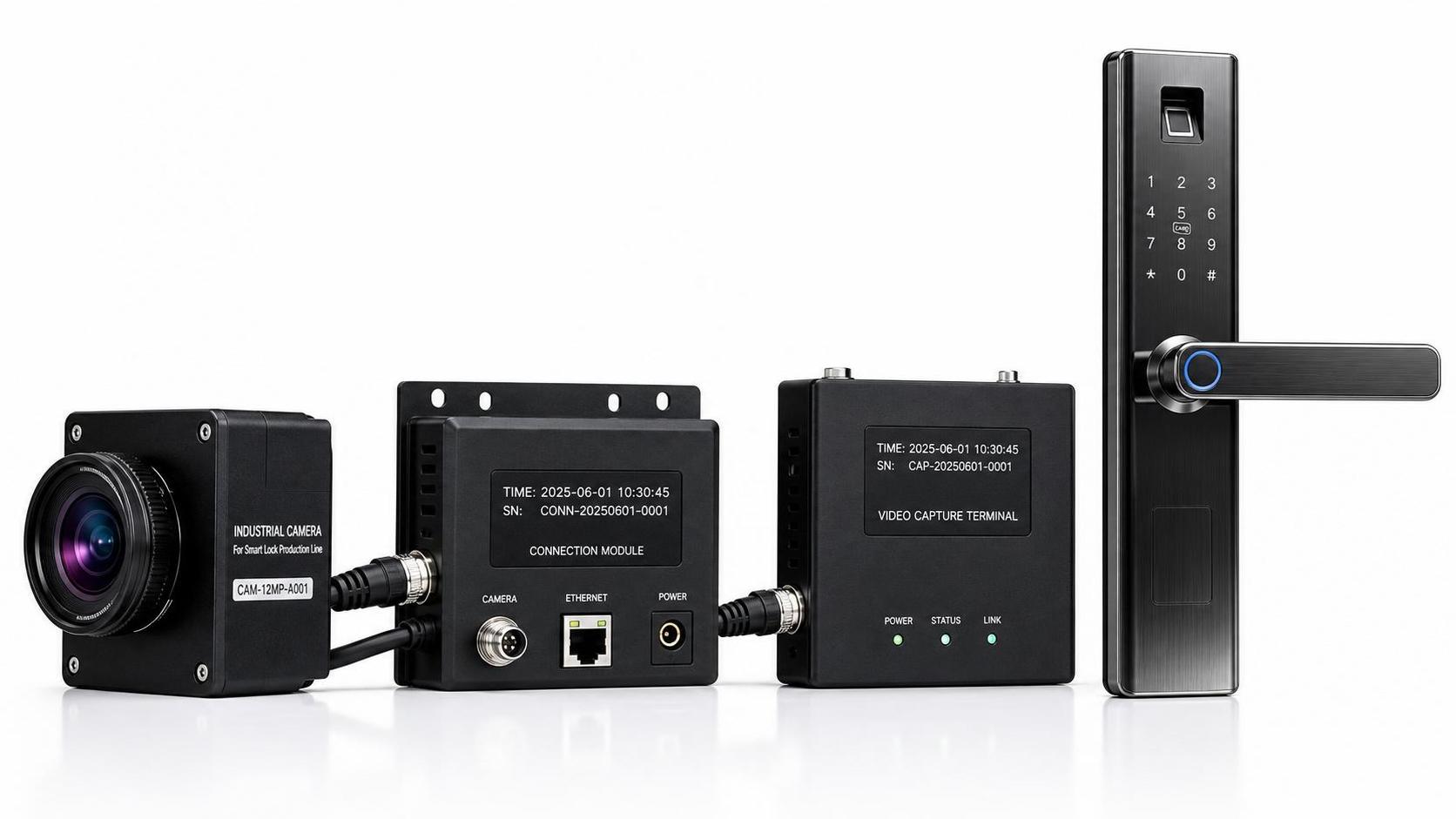
On July 15, 2026, a new compliance point took effect for digital lock exporters seeking SASO CoC certification in Saudi Arabia. The update centers on remote factory audit video submitted to the SASO AI audit platform, and it is especially relevant for OEM manufacturers, export compliance teams, and video system suppliers because it shifts attention from simple video availability to the integrity and traceability of the video source itself.
What the updated SASO protocol now requires
SASO updated the Digital Locks Remote Audit Protocol V2.1 on June 30, 2026. Under the updated requirement, from July 15 onward, all digital lock exporters applying for SASO CoC certification must ensure that production line video streams uploaded to the SASO AI audit platform contain a tamper-resistant NTP timestamp and a unique device ID.
The information provided also states that this requirement will affect the compatibility of video capture systems used by Chinese OEM manufacturers. Where the requirement is not met, the audit cycle will be extended to 21 working days.
Where the immediate pressure is likely to appear
Export manufacturers face a system compatibility check
From an industry perspective, the most direct impact is on manufacturers exporting digital locks for SASO CoC approval. Their exposure is tied to whether existing production line video capture setups can produce streams with the required real-time timestamp and device-level identification. The operational impact is likely to show up in audit preparation, submission readiness, and certification scheduling.
Compliance and certification teams may need tighter internal coordination
For teams handling certification submissions, the issue is no longer only document completeness. Analysis shows that video evidence format and source integrity now sit closer to the core of audit acceptance. What deserves closer attention is whether internal review steps can detect non-compliant video feeds before submission, especially when a delayed audit cycle could affect shipment planning.
Video system and audit support service providers also come into scope
Observably, service providers supporting factory audit preparation or video capture deployment may be affected because the rule specifically concerns embedded NTP timestamps and unique device IDs. Their role is likely to become more visible in technical verification, device configuration, and compatibility assessment for remote audit workflows.
What companies should watch in the coming weeks
Check whether current video streams meet the new embedded-data requirement
Companies involved in SASO CoC applications should first verify whether their existing production line video streams actually include the required tamper-resistant NTP timestamp and unique device ID. The practical issue is not whether a video can be recorded, but whether the uploaded stream aligns with the updated protocol condition.
Separate formal rule language from operational readiness
What deserves closer attention is the gap between a published rule and factory-level implementation. A requirement can be clear on paper while still exposing problems in camera configuration, time synchronization, or device identification during actual submission. That distinction matters because the stated consequence is a longer audit cycle for non-compliant cases.
Reassess delivery planning where certification timing is sensitive
For exporters working against fixed customer schedules, the extension of the audit cycle to 21 working days is a concrete planning factor. Analysis shows that this is less about broad market impact at this stage and more about execution risk in certification-linked delivery arrangements.
Continue tracking further official wording and enforcement detail
Since the provided information focuses on the protocol update and its stated effect, companies should keep watching for any further official clarification on implementation details, interpretation standards, or platform-side acceptance criteria. That follow-up matters for both internal compliance teams and external service partners.
Why this matters beyond a single technical adjustment
As an editorial observation, this update is best understood as more than a minor formatting change. It signals that remote audit video for digital lock certification is being treated with greater emphasis on authenticity, traceability, and source-level verification. At the same time, it would be premature to treat it as a full structural shift across all compliance processes based only on the information currently provided.
Observably, the immediate relevance is strongest for businesses already in the SASO CoC application flow, especially those relying on existing factory video systems that may not have been designed around embedded time and device identity controls.
How to read the development at this stage
At present, it is more appropriate to understand this as a near-term compliance change with broader signaling value. The confirmed facts already point to a real operational consequence for non-compliant submissions, but the wider industry effect still depends on how consistently the new requirement is enforced and how quickly affected exporters adapt their systems. For now, the development deserves practical attention rather than speculative interpretation.
Basis of this report and points for continued verification
This article is based on the user-provided news title, event date, and event summary. For this type of industry update, relevant source categories typically include official notices, standard organization documents, company statements, industry association releases, and reporting by authoritative trade media. A specific official source link was not provided in the input, so the exact source document path still requires continued verification. Further attention should remain on any additional SASO wording, implementation clarification, and changes affecting audit handling timelines.
Industry Briefing
Get the top 5 industry headlines delivered to your inbox every morning.