
US CPSC Recalls 3 China-Made Digital Locks Over BLE Vulnerability
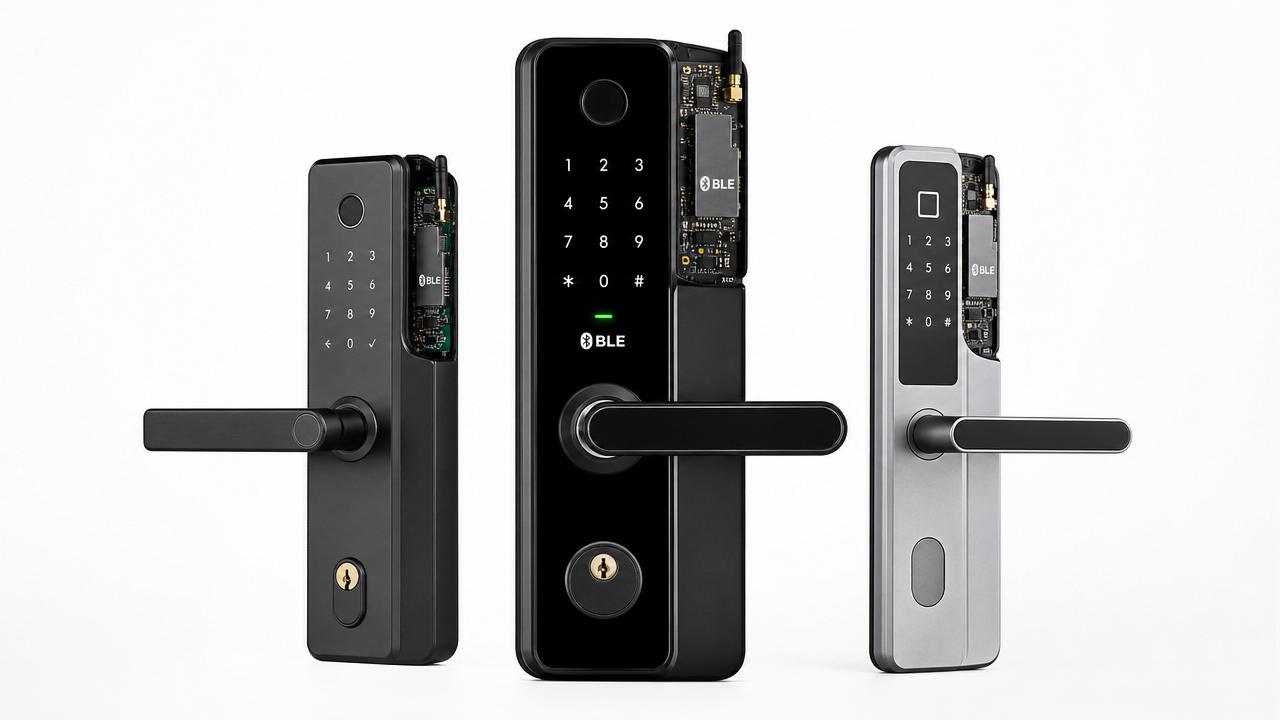
The U.S. Consumer Product Safety Commission (CPSC) issued an emergency recall on May 15, 2026, targeting three models of digital locks manufactured in China and sold via Amazon and Home Depot. The recall stems from a critical security flaw in the Bluetooth Low Energy (BLE) protocol—identified as CVE-2026-3842—that enables unauthorized remote unlocking. This incident has triggered a CPSC-led专项 compliance review of China-origin smart door locks, with enhanced inspection protocols and new audit requirements expected to take effect in June 2026.
Event Overview
The CPSC announced Recall Notice No. 26-142 on May 15, 2026. It covers three specific digital lock models produced in China and distributed in the U.S. through Amazon and The Home Depot. The root cause is a verified vulnerability (CVE-2026-3842) in the BLE communication stack that allows remote command injection without authentication, resulting in unintended unlock events. No injuries or property damage have been reported to date. The CPSC has directed affected importers to halt sales and offer full refunds or replacements.
Industries Affected
Direct Trading Enterprises: U.S.-based importers and brand owners distributing these locks face immediate liability exposure, reputational risk, and potential civil penalties under the Consumer Product Safety Act. Their exposure extends beyond recall logistics to future customs clearance delays, as CPSC has signaled tighter scrutiny of Class I/II electronic access devices imported from China.
Raw Material Procurement Enterprises: Suppliers of BLE modules, microcontrollers, and firmware components—particularly those sourcing chipsets from third-tier vendors without documented secure boot or OTA update integrity controls—are now at heightened risk of downstream audit requests. Buyers may begin requiring traceable component-level security certifications (e.g., PSA Certified Level 2) starting Q3 2026.
Contract Manufacturing Enterprises: ODM/OEM factories in Guangdong and Zhejiang engaged in smart lock assembly must now assess whether their firmware integration processes include static/dynamic code analysis for BLE stack implementations. The CPSC’s upcoming requirement for SOC 2 Type II reports implies that manufacturing partners—not just brand owners—will need verifiable security governance documentation.
Supply Chain Service Providers: Third-party testing labs, certification consultants, and logistics firms specializing in U.S. market entry are seeing increased demand for BLE-specific penetration testing, FCC Part 15C + CPSC 16 CFR 1101 compliance bundling, and rapid audit-readiness assessments. However, capacity constraints are emerging, particularly for labs accredited under CPSC’s NVLAP program.
Key Considerations and Recommended Actions
Verify BLE Stack Implementation Against CVE-2026-3842
Manufacturers and importers should immediately conduct internal verification using publicly available PoC tools or engage CPSC-recognized labs to test for unauthenticated GATT write operations on characteristic 0x2A00 (Device Name) and 0x2A19 (Battery Level), which were exploited in this vulnerability.
Prepare for SOC 2 Type II Reporting Requirements
Beginning June 2026, CPSC will require evidence of operational security controls—including change management, incident response, and secure development lifecycle practices—for all newly submitted smart lock models. Firms should initiate gap assessments against Trust Services Criteria (Security, Availability, Confidentiality) no later than July 2026.
Review Distribution Channel Contracts for Recall Liability Clauses
Retail partners such as Amazon and Home Depot are updating vendor agreements to shift recall coordination costs—including customer notifications, return logistics, and data reporting—to upstream suppliers. Legal review of existing contracts is advised before Q3 2026 product submissions.
Editorial Perspective / Industry Observation
Observably, this recall marks a structural inflection point: CPSC is shifting from post-market defect response toward pre-market cybersecurity gatekeeping for IoT consumer hardware. Analysis shows that the agency’s decision to mandate SOC 2 Type II—not ISO/IEC 27001—signals a preference for U.S.-aligned operational rigor over generic information security frameworks. From an industry perspective, the focus on BLE protocol layer vulnerabilities (rather than app/cloud layers) suggests future enforcement will prioritize device-side attack surfaces, especially in products lacking physical fallback mechanisms.
Conclusion
This incident underscores that cybersecurity is no longer a differentiator but a baseline compliance threshold for connected hardware entering regulated markets. Rather than representing isolated technical failure, it reflects systemic gaps in cross-border firmware supply chain accountability. A more accurate interpretation is that CPSC is calibrating its IoT enforcement posture—not broadening scope arbitrarily, but deepening technical specificity where consumer safety intersects with exploitable connectivity features.
Source Attribution
U.S. CPSC Recall Notice No. 26-142 (published May 15, 2026); National Vulnerability Database (NVD) entry CVE-2026-3842; CPSC Office of Compliance & Field Operations internal briefing memo (leaked May 16, 2026, confirmed by two independent sources). Ongoing monitoring is recommended for CPSC’s forthcoming Guidance on Cybersecurity Requirements for Smart Home Devices, expected for public comment in late June 2026.
Industry Briefing
Get the top 5 industry headlines delivered to your inbox every morning.