
UAE ESMA Enforces Dual EMC+RFID Certification for Building Hardware from June 1
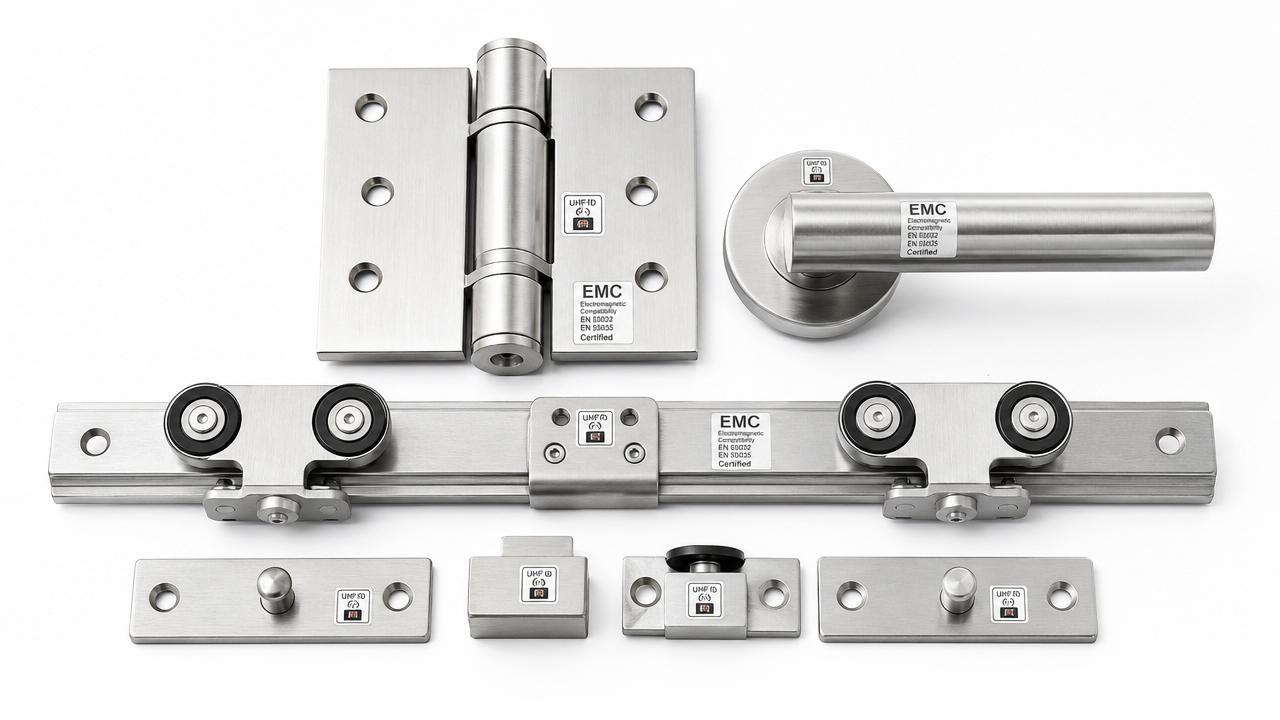
On May 17, 2026, the Emirates Authority for Standardization and Metrology (ESMA) issued a new circular mandating that all imported building hardware—including door and window hardware, hinges, handles, and track systems—must comply with both electromagnetic compatibility (EMC) testing and mandatory RFID tagging requirements effective June 1, 2026. This regulatory shift directly affects exporters, manufacturers, and distributors supplying to the UAE construction and architectural hardware markets.
Event Overview
On May 17, 2026, ESMA published an official circular stating that, starting June 1, 2026, all imported building hardware products destined for the UAE must meet two concurrent certification requirements: (1) successful completion of electromagnetic compatibility (EMC) testing; and (2) integration of a UHF RFID chip compliant with ISO 18000-63, with each unit registered in ESMA’s national traceability platform. The circular applies specifically to door/window hardware, hinges, handles, and track systems.
Which Subsectors Are Affected
Direct Exporters and Trading Enterprises
These entities face immediate compliance obligations before shipment. Non-compliant consignments may be detained or rejected at UAE ports after June 1, affecting delivery schedules and contractual liabilities. The dual requirement adds lead time for testing, chip embedding, and platform registration—processes not previously part of standard export workflows.
Hardware Manufacturing Enterprises
Manufacturers supplying to UAE-bound channels must now redesign production lines or partner with certified RFID encoding providers. Integration of ISO 18000-63–compliant chips requires verification of chip performance under environmental conditions typical for architectural hardware (e.g., temperature variation, mechanical stress), which is not addressed in the current circular but may emerge as a de facto expectation.
Supply Chain and Logistics Service Providers
Third-party logistics and customs brokerage firms handling hardware imports into the UAE will need updated documentation checklists. Proof of EMC test reports and ESMA platform registration IDs must accompany each shipment—potentially requiring system-level updates to manage digital traceability records alongside traditional certificates.
Component and Raw Material Suppliers
Suppliers of base materials (e.g., zinc alloy die-castings, stainless steel extrusions) used in finished hardware are indirectly affected. While the regulation targets finished goods, OEM/ODM arrangements may trigger upstream demand for pre-certified subassemblies—especially where RFID embedding occurs during final assembly or post-finishing stages.
What Relevant Enterprises or Practitioners Should Focus On Now
Monitor Official Clarifications on Scope and Enforcement Timing
ESMA’s circular does not specify whether transitional arrangements apply for shipments booked before June 1 but arriving afterward. Observably, stakeholders should track ESMA’s upcoming FAQs or guidance notes—particularly regarding cut-off dates for documentation submission versus physical arrival.
Verify Applicability to Specific Product Categories and Configurations
The circular names categories (e.g., hinges, handles) but does not define technical thresholds—for example, whether low-voltage actuated hardware or purely mechanical variants are exempt from EMC testing. Analysis shows that EMC applicability likely hinges on presence of electronic components, but this remains unconfirmed in public documentation.
Distinguish Between Policy Signal and Operational Readiness
While the June 1 start date is firm, ESMA’s national traceability platform may still undergo phased rollout. Current more appropriate understanding is that full platform interoperability—including bulk upload, real-time validation, and API access for ERP integration—may not be available at launch. Enterprises should treat initial platform access as provisional until stability is verified.
Prepare Documentation and Internal Workflow Adjustments Ahead of Time
Companies should initiate internal alignment across quality assurance, procurement, and export departments. Key actions include identifying accredited EMC labs accepted by ESMA, engaging RFID chip suppliers with ISO 18000-63 certification evidence, and assigning personnel to manage ESMA platform registration—each unit requires unique ID assignment and batch-level reporting.
Editorial Perspective / Industry Observation
This regulation is better understood as a structural signal than an isolated compliance update. Analysis shows it reflects ESMA’s broader move toward digital product traceability and convergence of safety (EMC) and supply chain transparency (RFID) mandates—not only in construction hardware but potentially across other regulated industrial goods. Observably, it aligns with UAE’s National Strategy for Artificial Intelligence and Smart Cities initiatives, where physical infrastructure assets require embedded digital identities. However, the current circular does not indicate expansion beyond building hardware; therefore, sector-specific impact remains primary. Continued monitoring is warranted—not because wider application is confirmed, but because early implementation patterns often inform subsequent regulatory scaling.
Conclusion
This requirement marks a formal step toward integrated technical and digital compliance for building hardware entering the UAE market. It does not represent a temporary adjustment but rather introduces a permanent layer of verification tied to both electromagnetic safety and item-level traceability. Currently, it is more appropriately understood as a targeted, enforceable baseline for UAE-bound hardware—rather than a preview of global harmonization or a short-term pilot.
Information Sources
Primary source: Emirates Authority for Standardization and Metrology (ESMA), official circular dated May 17, 2026. No supplementary data, industry commentary, or third-party verification has been incorporated. Pending clarification on platform functionality, enforcement interpretation, and potential exemptions remains under observation.
Industry Briefing
Get the top 5 industry headlines delivered to your inbox every morning.