
How to Choose Interior Design Materials for High-Traffic Commercial Spaces
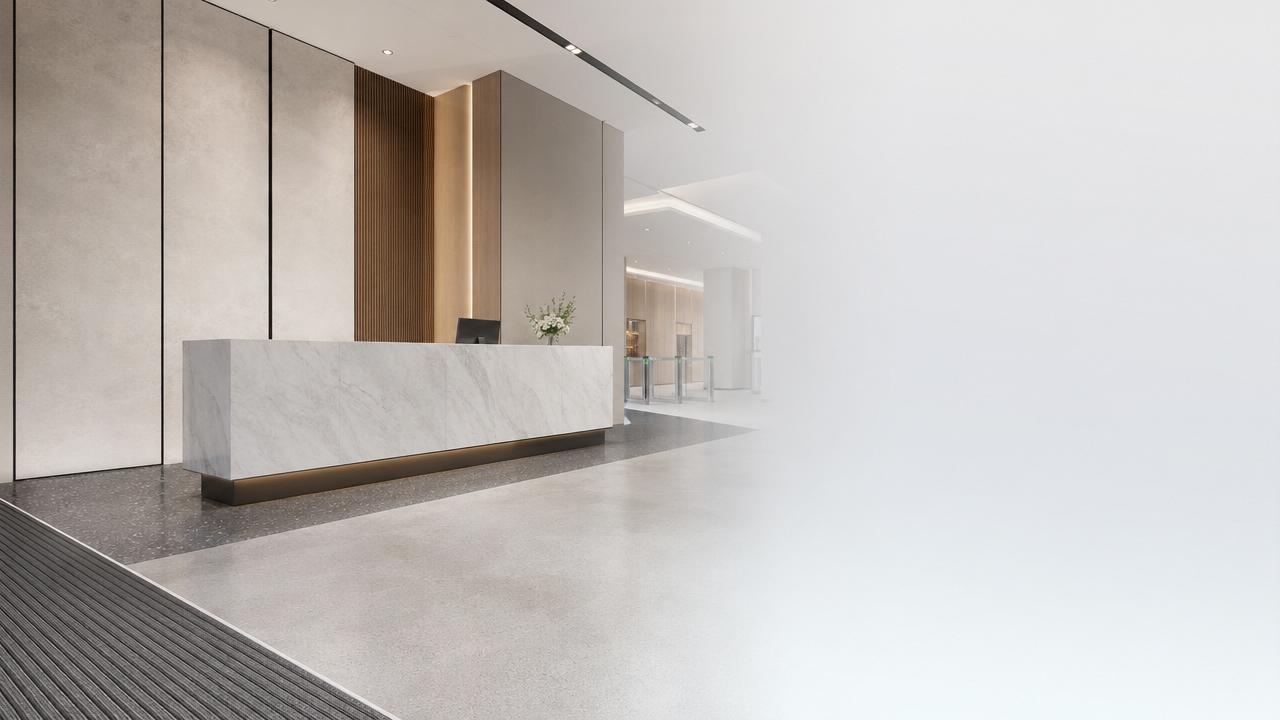
Choosing interior design materials for high-traffic commercial spaces is never a purely aesthetic exercise. In busy lobbies, retail floors, hospitality corridors, healthcare reception areas, and mixed-use amenities, every surface is tested by movement, cleaning, impact, moisture, and public expectations. The right decision supports durability, safety, maintenance efficiency, and brand expression at the same time.
That balance matters even more as commercial projects face tighter lifecycle budgets, stricter compliance demands, and faster shifts in building standards. From GIAM’s broader view of global construction intelligence, material choice now sits at the intersection of performance engineering, environmental responsibility, and spatial experience. Good specification work reduces future disruption. Poor selection usually becomes visible within months.
Why material selection has become more strategic
High-traffic environments expose weak specifications quickly. Floor finishes wear unevenly. Wall panels show scratches. Countertops stain. Wet-zone materials fail at joints before the main surface actually breaks down.
At the same time, commercial interiors are expected to do more than survive. They must communicate brand quality, support hygiene, simplify maintenance, and contribute to sustainability targets. That is why interior design materials are now reviewed with the same seriousness as core building systems.
Another pressure comes from global supply and regulation. Trade tariffs, energy-saving codes, embodied carbon targets, water efficiency requirements, and antimicrobial expectations all shape specification decisions. GIAM’s market intelligence perspective reflects this clearly: material performance can no longer be separated from procurement risk and long-term operational value.
What “fit for traffic” really means
Many teams begin with hardness or appearance. That is too narrow. A material can test well in a lab and still underperform in a commercial setting if it is difficult to repair, clean, or replace.
For high-traffic spaces, fit usually means matching the material to actual use conditions. Footfall volume matters, but so do cleaning chemicals, rolling loads, humidity swings, food contact, water exposure, and the level of visual wear a brand can tolerate.
Interior design materials should therefore be judged as part of an operational system. The substrate, edge detail, grout line, adhesive, coating, drainage logic, and replacement cycle often matter as much as the visible finish.
Core evaluation dimensions
- Abrasion resistance under continuous foot traffic or wheeled movement.
- Slip performance in dry, damp, and contaminated conditions.
- Resistance to staining, chemicals, impact, and scratching.
- Cleaning frequency, labor intensity, and maintenance cost.
- Repairability without large-area closure or visual mismatch.
- Compliance with fire, hygiene, emissions, and accessibility standards.
Different zones require different interior design materials
One of the most common mistakes is specifying a single material language across an entire project without respecting zone-specific stress. Visual consistency is useful, but performance needs vary sharply by space.
This zoning approach helps avoid over-specifying low-risk areas and under-specifying critical ones. It also supports more realistic cost planning across the project lifecycle.
Where teams often get the decision wrong
The first error is choosing by initial price alone. Lower upfront cost can create higher cleaning expense, more shutdowns, faster replacement, and additional labor for patch repairs.
The second error is relying too heavily on showroom appearance. Under commercial lighting and controlled presentation, many interior design materials look impressive. Under real traffic, the same products may reveal joints, uneven sheen, or edge chipping.
A third issue is incomplete technical coordination. Finishes are often reviewed independently from waterproofing, acoustic backing, substrate movement, hardware integration, or smart sanitary systems. Failures then appear at interfaces rather than on the visible face.
More careful teams test mockups under realistic cleaning and use conditions. That step is slower early on, but much cheaper than discovering weaknesses after occupancy.
Questions that improve early selection
- What kind of wear appears first in this zone: scratches, stains, chips, or slip risk?
- How often will the surface be cleaned, and with which chemicals or equipment?
- Can damaged sections be replaced without closing the whole area?
- Will the finish still look acceptable after partial aging?
- Does the material support sustainability and indoor environmental targets?
Performance categories worth comparing closely
In practice, not all surfaces deserve equal attention. Some categories drive most complaints, maintenance calls, and early replacements.
Flooring
Flooring usually carries the greatest performance burden. Stone, porcelain tile, terrazzo, luxury vinyl tile, resin systems, and polished concrete each offer different trade-offs.
The right choice depends on traffic intensity, moisture exposure, noise expectations, and maintenance capability. Surface texture must be balanced carefully. More grip can improve safety, but overly rough finishes trap dirt and increase cleaning effort.
Wall protection and cladding
Wall finishes in public corridors, elevator lobbies, and service routes are frequently underestimated. Laminates, compact panels, coated metals, ceramic systems, and high-performance paint assemblies all respond differently to impact and repeated cleaning.
In sanitary or healthcare-adjacent areas, seams and edge detailing become essential. Anti-bacterial materials may add value, but only when paired with practical cleaning protocols and correct installation.
Counters, wet areas, and touchpoints
Reception desks, food-service counters, vanity tops, and hardware touchpoints influence both hygiene perception and brand quality. These areas demand interior design materials that manage staining, water exposure, and constant contact without requiring delicate care.
This is where GIAM’s wider coverage of sanitary spaces and smart kitchen and bath systems becomes relevant. Material decisions increasingly interact with water-saving fixtures, sensor hardware, smart locks, and integrated service access.
Sustainability and compliance are now part of the same decision
Commercial projects are under growing pressure to reduce embodied carbon, support healthier interiors, and align with evolving codes. That changes how interior design materials are shortlisted.
Low-emission products, recycled content, responsibly sourced inputs, longer service life, and lower water or chemical demand during cleaning all contribute to better overall performance. However, sustainability claims should be verified against credible certifications and project-specific requirements.
There is also a practical point here. A durable finish with a longer replacement cycle can outperform a greener-looking option that fails early. Carbon reduction and lifecycle resilience should be reviewed together, not as separate checklists.
A workable decision framework for specification
The most reliable approach is structured comparison rather than brand-led selection. Teams often move faster when they score material options against the same operational criteria.
- Map every zone by traffic intensity, moisture risk, and cleaning regime.
- Shortlist interior design materials by performance, not color first.
- Review standards, certifications, and local code implications early.
- Test sample assemblies, not just isolated finish pieces.
- Estimate lifecycle cost, including downtime and maintenance labor.
- Check supply continuity, lead times, and future replacement availability.
This process makes specification more resilient when pricing shifts, project schedules tighten, or standards change during procurement.
What to review before the final decision
Before approval, it helps to step back and confirm whether the chosen interior design materials truly match the commercial reality of the site. Visual quality should remain important, but it should be the result of sound performance logic.
A useful next step is to build a comparison matrix for key zones, noting wear risk, maintenance expectations, compliance needs, sustainability targets, and replacement scenarios. That kind of disciplined review often reveals hidden weaknesses or unnecessary cost.
For projects operating across regions or fast-changing supply conditions, market intelligence also matters. Tracking standards, material innovation, water-saving systems, hygiene-driven upgrades, and tariff movement can sharpen specifications before they become procurement problems.
In demanding commercial spaces, the best material choice is rarely the most fashionable or the cheapest. It is the one that keeps performing, stays maintainable, supports compliance, and still looks right after the space has been used hard for years.
Industry Briefing
Get the top 5 industry headlines delivered to your inbox every morning.