
Industrial Foundations: The Hidden Cost of Poor Base Choices
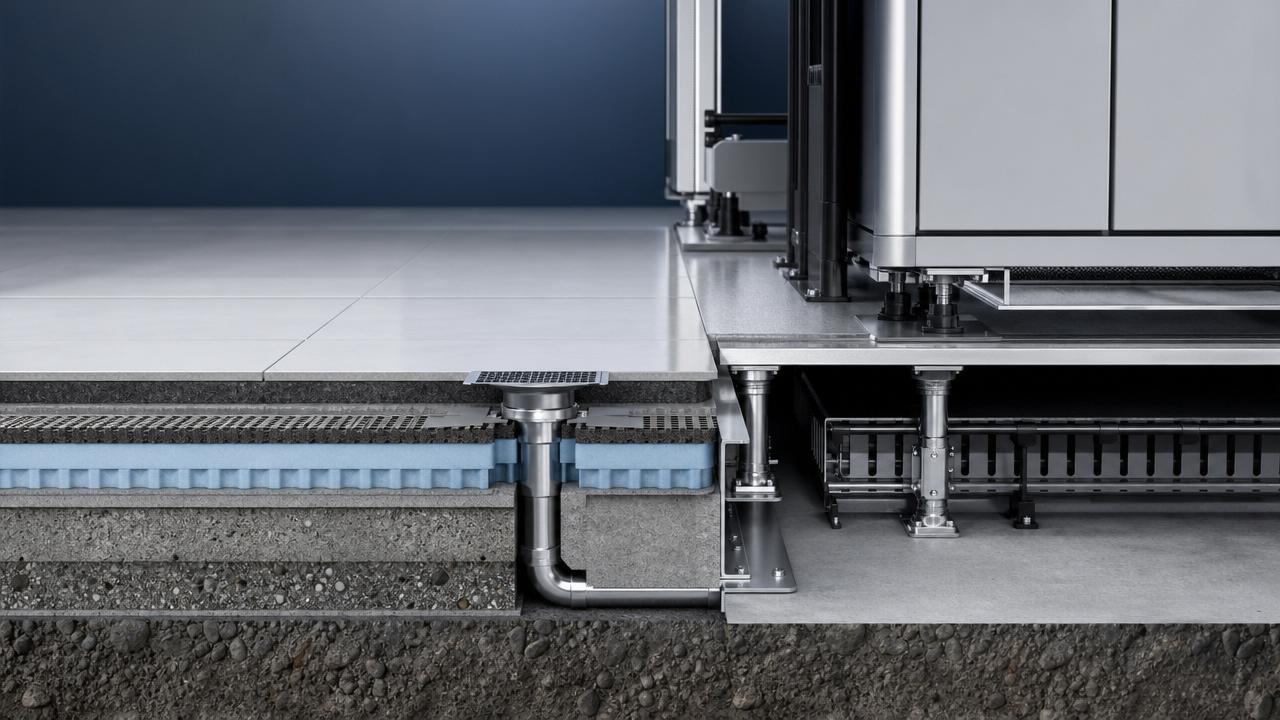
In procurement, industrial foundations are often treated as a cost line rather than a long-term risk decision. Yet poor base choices can trigger structural instability, higher maintenance, project delays, and hidden lifecycle expenses that erode margins over time. For buyers navigating competitive construction and interior supply chains, understanding how foundation decisions shape performance, compliance, and total value is essential to making smarter, future-ready investments.
Industrial foundations are moving from a hidden line item to a strategic risk signal
Across construction, interiors, sanitation systems, and smart space projects, industrial foundations now influence more than structural support. They affect durability, compliance, installation speed, and brand credibility.
This shift is becoming clearer as projects demand tighter tolerances, lower emissions, and longer service cycles. A weak base no longer stays hidden. It surfaces in callbacks, cracks, misalignment, leaks, and operational disruption.
For platforms such as GIAM, the deeper signal is obvious. Industrial foundations connect hardcore construction performance with modern interior expectations. The base determines whether finish quality can survive real-world use.
In premium projects, visible surfaces get attention. However, industrial foundations decide whether those surfaces stay level, safe, and serviceable under traffic, moisture, equipment loads, and thermal change.
Several trend signals show why poor base choices now carry a higher hidden cost
The cost of weak industrial foundations is rising because building systems are becoming more integrated. Smart kitchen units, sanitary modules, tiles, subfloors, adhesives, and water systems now perform as one chain.
When the base fails, the failure spreads. A slight uneven slab can affect drainage slope, cabinet alignment, smart hardware calibration, and seal performance in wet spaces.
- Stricter energy, safety, and water-efficiency standards are exposing substandard industrial foundations earlier.
- Faster project schedules leave less room for rework caused by poor base preparation.
- Higher-end interiors require tighter flatness, moisture, and load-bearing control.
- Lifecycle accounting is making long-term maintenance more visible in investment decisions.
- Global sourcing creates compatibility risks between materials, systems, and industrial foundations.
These signals matter in both residential civilization and commercial space development. Bases that once seemed acceptable may now fail under modern expectations for hygiene, intelligence, and sustainability.
The hidden cost of poor industrial foundations grows through multiple failure pathways
Direct repair costs are only the first layer. The larger burden often comes from delay, disruption, replacement sequencing, and reputational loss after handover.
Poor industrial foundations also distort cost comparisons. A lower initial quote may appear efficient, yet its real burden emerges after installation, operation, and service interventions.
That is why total value should include resilience, compatibility, inspection demands, downtime exposure, and replacement complexity, not just material price.
Why these trend pressures are accelerating across the broader built environment
The built environment is being reshaped by carbon goals, digital design precision, modular installation, and rising user expectations. Each force raises the performance threshold for industrial foundations.
Key drivers behind the shift
- Carbon reduction strategies favor durable systems with longer service life.
- Prefabrication depends on accurate industrial foundations for smooth on-site assembly.
- Antibacterial materials require stable substrates to preserve sealing and hygiene performance.
- Water-saving systems rely on precise slope, anchoring, and vibration control.
- Smart locks, cabinets, and appliances need stable frames and base alignment.
- Trade tariffs and sourcing shifts can push substitutions that alter base compatibility.
GIAM’s intelligence perspective is especially relevant here. Material science, hydraulic design, and industrial economics are no longer separate conversations. They converge at the foundation layer.
A decision on industrial foundations now influences not only structural behavior, but also finish longevity, sanitary performance, and digital system reliability.
The impact reaches every major business link, from specification to post-installation service
Specification teams face more pressure to translate design intent into measurable substrate requirements. Vague base assumptions often become expensive field adjustments later.
Supply chains also feel the impact. Industrial foundations affect packaging sequence, transport protection, site staging, and installation dependencies across multiple categories.
Service teams inherit the long tail of poor decisions. What starts as a base issue may later appear as a plumbing complaint, cabinet fault, tile crack, or sensor misread.
- Design quality suffers when base tolerances are not clearly defined.
- Procurement risk rises when industrial foundations are compared on price alone.
- Installation teams lose productivity when remediation interrupts sequencing.
- After-sales costs increase when root causes remain buried under finish layers.
This is why industrial foundations should be reviewed as a system decision. The base must match the operational reality of the full project, not just one trade package.
What deserves closer attention when evaluating industrial foundations today
A stronger decision framework starts with the right questions. Good industrial foundations are defined by performance evidence, not by assumptions or lowest visible cost.
Core checkpoints
- Confirm load paths, live loads, vibration exposure, and future use changes.
- Review flatness, levelness, curing, and moisture conditions before finish installation.
- Test compatibility with adhesives, membranes, tiles, sanitary units, and smart fixtures.
- Check local codes, green standards, and performance certification requirements.
- Assess maintenance access and replacement difficulty across the asset lifecycle.
- Model failure scenarios and likely downtime costs before approving substitutions.
These checkpoints help reframe industrial foundations from a commodity category into a resilience factor. That shift improves decision quality across both commercial and residential projects.
A practical response should combine better data, earlier verification, and lifecycle thinking
The most effective response is not simply spending more. It is spending more accurately, with clearer performance criteria and stronger coordination between technical and commercial review.
Industrial foundations deserve this level of discipline because they shape every downstream layer. Once buried, mistakes become harder and costlier to diagnose.
The smarter path is to treat industrial foundations as a strategic asset. Better bases support better finishes, better system performance, and better business outcomes.
The next step is to make foundation intelligence part of every critical project review
Current market conditions reward informed choices, not only cheaper ones. Industrial foundations should be reviewed with the same seriousness given to visible materials and smart technologies.
Use project intelligence to compare substrate performance, code exposure, moisture risk, and compatibility before commitment. This approach protects quality, timelines, and long-term asset value.
GIAM’s industry lens reinforces a simple conclusion. Building industrial foundations correctly is not a background task. It is a leading indicator of spatial intelligence, safety, and competitive resilience.
The strongest results come when industrial foundations are specified early, verified carefully, and evaluated across the full lifecycle. That is where hidden cost turns into visible advantage.
Industry Briefing
Get the top 5 industry headlines delivered to your inbox every morning.