
K-REACH Fast-Track for Supply-Critical Flame Retardants Launches in Korea
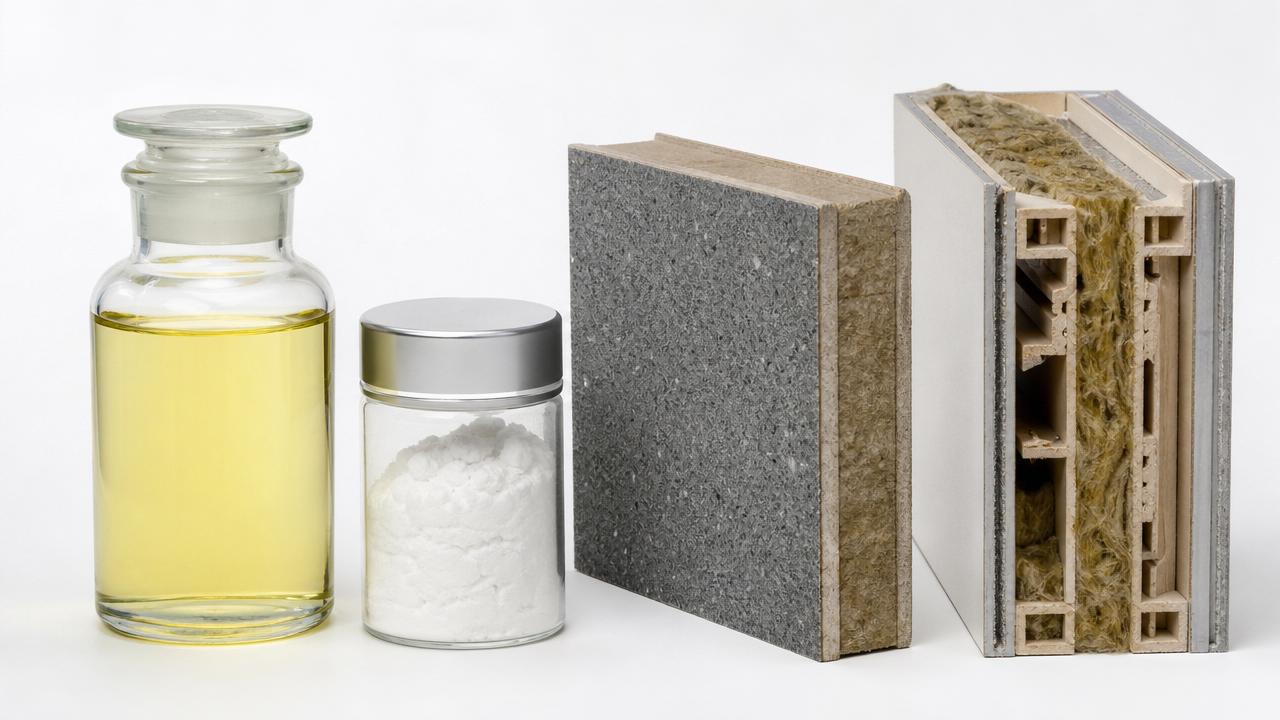
On 25 May 2026, the Korean Ministry of Environment launched a special registration fast-track under K-REACH for flame retardants classified as 'supply-critical chemical substances', targeting phosphorus- and nitrogen-based additives used in composite panels and fire-rated door cores. This regulatory update directly impacts building materials trade between China and South Korea by streamlining customs clearance and reducing compliance burdens.
K-REACH Introduces Expedited Registration Pathway
The Korean Ministry of Environment initiated, in May 2026, a dedicated fast-track registration mechanism under K-REACH for supply-critical chemical substances. Specifically, phosphorus- and nitrogen-based flame retardants—commonly applied in composite panels and fire door core materials—are now eligible for simplified registration. As a result, customs clearance time has been reduced to within 10 working days, and importers’ compliance costs have decreased. The measure supports stability in the China–Korea construction materials supply chain.
Impact Across Supply Chain Roles
Direct trading enterprises
These companies face reduced lead times and lower administrative overhead when importing flame retardants into Korea. They must verify whether their specific product formulations qualify under the new fast-track criteria and ensure supporting documentation aligns with K-REACH’s simplified submission requirements.
Raw material procurement enterprises
Procurement teams need to reassess supplier declarations and technical dossiers—particularly for phosphorus/nitrogen systems—to confirm eligibility for the expedited pathway. Changes in registration status may affect sourcing decisions and contractual terms with upstream chemical suppliers.
Manufacturing enterprises
Producers of composite panels and fire-rated doors benefit from more predictable input availability and shorter time-to-market. However, they should monitor whether downstream customers (e.g., construction contractors or certifiers) require updated compliance evidence tied to the new registration status.
Supply chain service providers
Logistics and regulatory support firms must update internal workflows to reflect revised documentation expectations, including abbreviated safety data sheets (SDS), substance identity verification, and confirmation of fast-track approval status for relevant batches.
Key Actions for Affected Companies
Confirm fast-track eligibility of current flame retardant formulations
Verify whether existing phosphorus- or nitrogen-based products meet the Korean Ministry of Environment’s definition of 'supply-critical' and fall within the scope of the simplified registration—especially regarding use in composite panels and fire door cores.
Update compliance documentation for customs and market access
Prepare streamlined technical files aligned with the fast-track process, including updated SDS, composition disclosure, and proof of registration under the new pathway—ensuring consistency across import declarations and customer communications.
Adjust procurement planning and delivery timelines
Leverage the 10-working-day clearance window to revise inventory strategies and order cycles. Note that eligibility does not waive pre-import notification obligations; timely submission remains essential to avoid delays.
Industry Perspective: A Strategic Shift in Chemical Compliance Prioritization
Analysis shows that this fast-track mechanism reflects a broader regulatory recalibration—where chemical management increasingly balances risk governance with industrial continuity. From an industry perspective, it is more appropriate to understand this as a targeted response to real-world supply bottlenecks rather than a general deregulatory move. What deserves closer attention is how Korea defines and updates its 'supply-critical' list going forward—and whether similar pathways may extend to other functional additives in construction chemistry. Observably, manufacturers with robust substance identification and documentation infrastructure are better positioned to capitalize on such mechanisms.
Strategic Significance for Cross-Border Building Materials Trade
This development marks a meaningful step toward harmonizing regulatory agility with supply chain resilience in the China–Korea construction materials corridor. While not a relaxation of safety or environmental standards, the fast-track underscores a pragmatic alignment between chemical regulation and industrial application needs—offering a replicable model for managing critical-input dependencies without compromising oversight integrity.
Source Information and Ongoing Monitoring
This article was generated based solely on the provided title, event date (25 May 2026), and summary. Specific official source links were not provided in the input and should be verified continuously. Stakeholders are advised to monitor forthcoming implementation guidelines from the Korean Ministry of Environment, evolving interpretations of 'supply-critical' criteria, updates to K-REACH registration templates, and any sector-specific clarifications issued by Korean customs or certification bodies.
Industry Briefing
Get the top 5 industry headlines delivered to your inbox every morning.