
Smart Kitchen Appliances Features That Matter After Installation
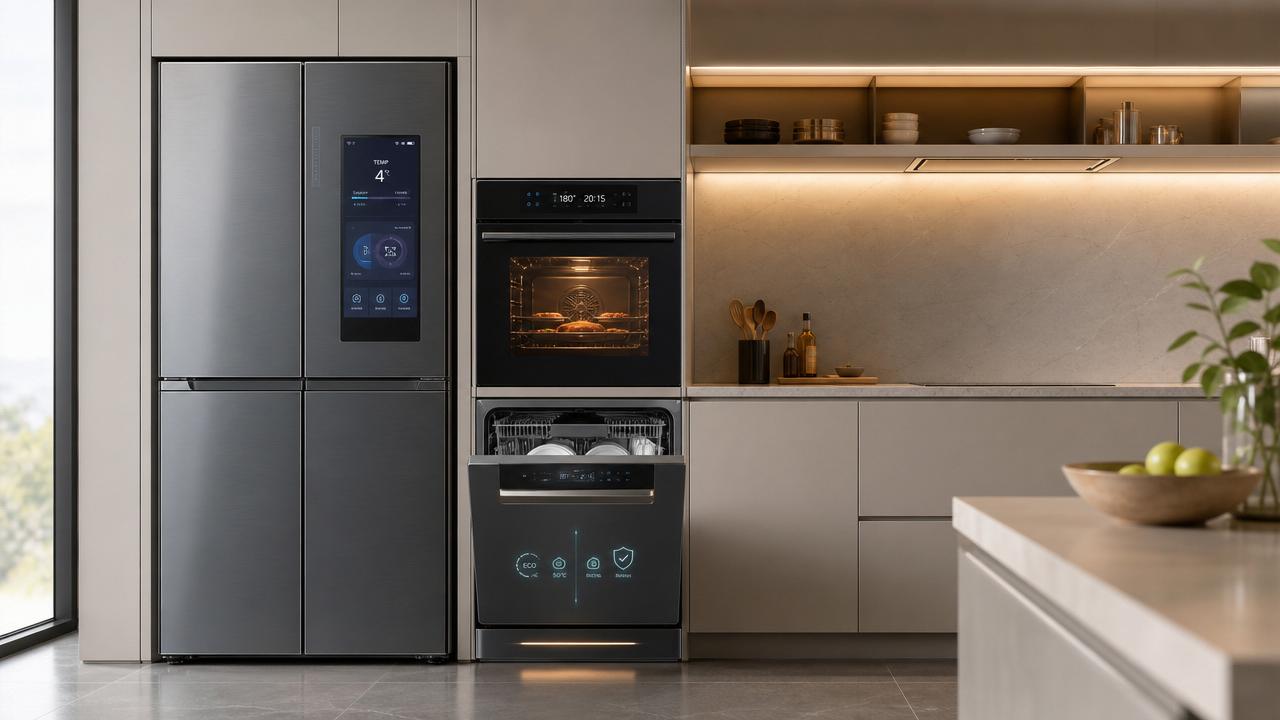
Choosing connected devices is only the first step. The real test begins after setup, when daily habits, utility costs, cleaning routines, and long-term reliability reveal which smart kitchen appliances features truly matter.
For modern homes and evolving interior spaces, the best smart kitchen appliances features support cooking, reduce waste, improve safety, and fit naturally into the wider design and performance goals of the kitchen.
This article explains how to evaluate post-installation performance. It focuses on practical functions, not marketing claims, so every decision stays useful long after the appliances are connected.
Why a Clear Evaluation Method Matters
Many products look impressive in a showroom. However, real-life value depends on how smart kitchen appliances features perform under everyday cooking, cleaning, storage, and family scheduling demands.
A clear evaluation method helps compare convenience, software stability, energy use, and maintenance needs. It also supports better choices for residential upgrades and premium interior planning.
This matters across the broader building and interior sector. GIAM closely tracks how smart systems, efficient materials, and digital controls shape healthier, safer, and more resource-aware living spaces.
Core Features to Check After Installation
Use the following points to judge whether smart kitchen appliances features deliver lasting value instead of short-term novelty.
- App stability should remain consistent, with fast loading, simple controls, and reliable syncing across phones, tablets, and voice platforms after repeated daily use.
- Remote monitoring must provide meaningful information, such as temperature status, cycle progress, door alerts, and error notifications that support real action.
- Energy management features should show measurable savings through eco modes, usage tracking, load optimization, and intelligent scheduling during lower-cost hours.
- Safety functions need to work automatically, including child lock, overheat protection, gas or leak alerts, auto shutoff, and abnormal operation warnings.
- Firmware update support is essential, because strong smart kitchen appliances features improve over time through security patches, bug fixes, and added compatibility.
- Voice control should respond accurately to common commands, especially for timers, preheating, lighting, and status checks during active cooking.
- Integration with other systems matters when appliances connect smoothly with ventilation, smart lighting, water devices, or home energy dashboards.
- Cleaning assistance features should reduce routine effort through self-clean cycles, removable components, anti-smudge finishes, and maintenance reminders.
- Sensor accuracy is critical for ovens, refrigerators, and dishwashers, because poor readings weaken food safety, efficiency, and overall trust in automation.
- User profile memory becomes valuable when appliances remember preferred temperatures, cooking programs, beverage settings, or repeated household routines.
- Noise control deserves attention, especially in open-plan interiors where refrigerators, range hoods, and dishwashers operate close to living and dining zones.
- Service accessibility should be easy, with clear diagnostics, spare parts availability, and customer support that understands connected appliance systems.
Which Features Influence Daily Experience Most
The most valuable smart kitchen appliances features usually solve repeated tasks. Good examples include accurate temperature control, predictive maintenance alerts, and remote start options with safety confirmation.
Features that reduce small interruptions often create the biggest satisfaction. A refrigerator that warns about an open door is often more useful than a rarely used recipe screen.
How to Judge Features by Appliance Type
Smart Refrigerators
Focus on cooling consistency, humidity zoning, inventory visibility, and door-open alerts. These smart kitchen appliances features directly affect food freshness, waste reduction, and energy performance.
Check whether the interface remains useful without becoming distracting. A strong refrigerator should prioritize preservation data and efficiency rather than oversized entertainment functions.
Smart Ovens and Cooktops
Look for precise heating, guided cooking modes, remote preheat, and safety lock systems. The best smart kitchen appliances features improve cooking results while preventing overheating or unattended risk.
Temperature sensors must remain accurate over time. If readings drift, every connected function becomes less reliable, regardless of how modern the interface appears.
Smart Dishwashers
Useful functions include soil sensing, leak detection, cycle notifications, and water-saving programs. These smart kitchen appliances features help balance hygiene, utility savings, and quiet operation.
A dishwasher should also provide maintenance reminders for filters and spray arms. This extends performance and supports cleaner operation in high-use kitchens.
Smart Range Hoods and Small Appliances
For range hoods, sensor-based airflow adjustment and filter alerts matter most. For coffee systems or compact devices, profile memory and simple cleaning guidance often bring greater value.
Not every connected feature is essential. The right smart kitchen appliances features should support workflow, not create another screen to manage.
Useful Considerations for Different Kitchen Settings
Open-Plan Residential Kitchens
Noise control, design integration, and app simplicity are especially important. Appliances operate close to social areas, so quiet performance and fast control improve everyday comfort.
Smart kitchen appliances features should also work well with lighting scenes and ventilation systems to support a cleaner visual and acoustic environment.
Compact Urban Spaces
In smaller kitchens, multi-function performance matters more than display size. Prioritize space-saving devices with strong energy reporting, remote checks, and reliable automation.
Compact projects benefit when smart kitchen appliances features reduce physical steps, especially through alerts, scheduled programs, and adaptive modes.
Premium Interior and Hospitality-Oriented Spaces
These settings need smooth interoperability, premium finishes, and stable software. Consistent user experience matters because the kitchen often reflects broader design quality.
Here, smart kitchen appliances features should align with sustainability goals, modern aesthetics, and reliable performance expected in high-value living environments.
Commonly Overlooked Issues and Risk Warnings
Weak Wi-Fi Dependence
Some functions fail when network coverage is poor. Always check whether core operations remain accessible manually if the app or connection becomes unstable.
Short Software Support Cycles
Connected hardware may last years, but software support can end earlier. Smart kitchen appliances features lose value quickly when updates stop or compatibility breaks.
Data Privacy Gaps
Usage tracking can improve performance, but privacy settings should be clear. Review permissions, cloud storage terms, and account security options after installation.
High Feature Count, Low Practical Use
A long feature list does not guarantee better value. If advanced tools are difficult to access, they may add complexity without improving cooking or maintenance.
Poor Service Ecosystem
Even excellent smart kitchen appliances features can become frustrating when service response is slow, replacement parts are limited, or digital diagnostics are unclear.
Practical Steps for Better Post-Installation Results
- Test every connected function during the first week, including alerts, remote control, scheduling, and safety locks.
- Update firmware immediately and enable future notifications for security and performance improvements.
- Create simple routines for cleaning, filter checks, and sensor verification.
- Track energy and water usage for one month to confirm actual savings.
- Adjust app permissions, user profiles, and privacy settings before regular use expands.
- Review manuals for offline controls in case internet access fails.
Frequently Asked Questions
Are all smart kitchen appliances features worth paying for?
No. The best value comes from features used often, such as energy tracking, remote monitoring, safety alerts, and accurate automated settings.
Which smart kitchen appliances features matter most for energy savings?
Look for eco modes, scheduling, load sensing, cooling efficiency controls, and real consumption reports. Savings are easier to verify when data is visible.
How important are software updates?
They are critical. Updates protect security, improve compatibility, and often refine smart kitchen appliances features after installation.
Final Thoughts and Next Actions
The most effective smart kitchen appliances features are not always the most visible. They are the ones that consistently save time, protect safety, reduce waste, and support smooth kitchen routines.
When reviewing installed appliances, focus on reliability, measurable efficiency, maintainability, and digital longevity. These standards align with the wider movement toward better interior performance and smarter living spaces.
Use this evaluation approach to confirm whether your kitchen technology is truly working for you. Strong decisions after installation create lasting value across design, comfort, and operational efficiency.
Industry Briefing
Get the top 5 industry headlines delivered to your inbox every morning.