
Smart Kitchen Technology Buying Guide: Features, Compatibility, and Upgrade Costs
Smart Kitchen Technology Buying Guide: Features, Compatibility, and Upgrade Costs
Choosing smart kitchen technology is no longer just about convenience. It now shapes procurement speed, lifecycle cost, and long-term upgrade value.
For modern residential and commercial projects, buyers need clearer standards. Features matter, but compatibility and upgrade costs often decide total value.
This guide explains how to compare smart kitchen technology with a practical lens. The goal is simple: reduce risk, protect budgets, and support future-ready sourcing.
From GIAM’s market perspective, the strongest buying decisions balance user experience, integration reliability, maintenance planning, and the changing economics of connected spaces.
Why Smart Kitchen Technology Has Become a Procurement Priority
Recent market shifts make smart kitchen technology more relevant than before. Energy efficiency targets, labor pressure, and user expectations are all moving upward.
In residential projects, connected appliances support convenience, safety, and premium positioning. In commercial settings, they can improve consistency, monitoring, and operating discipline.
That also means procurement teams face new questions. A low purchase price may hide expensive integration work or frequent software support issues.
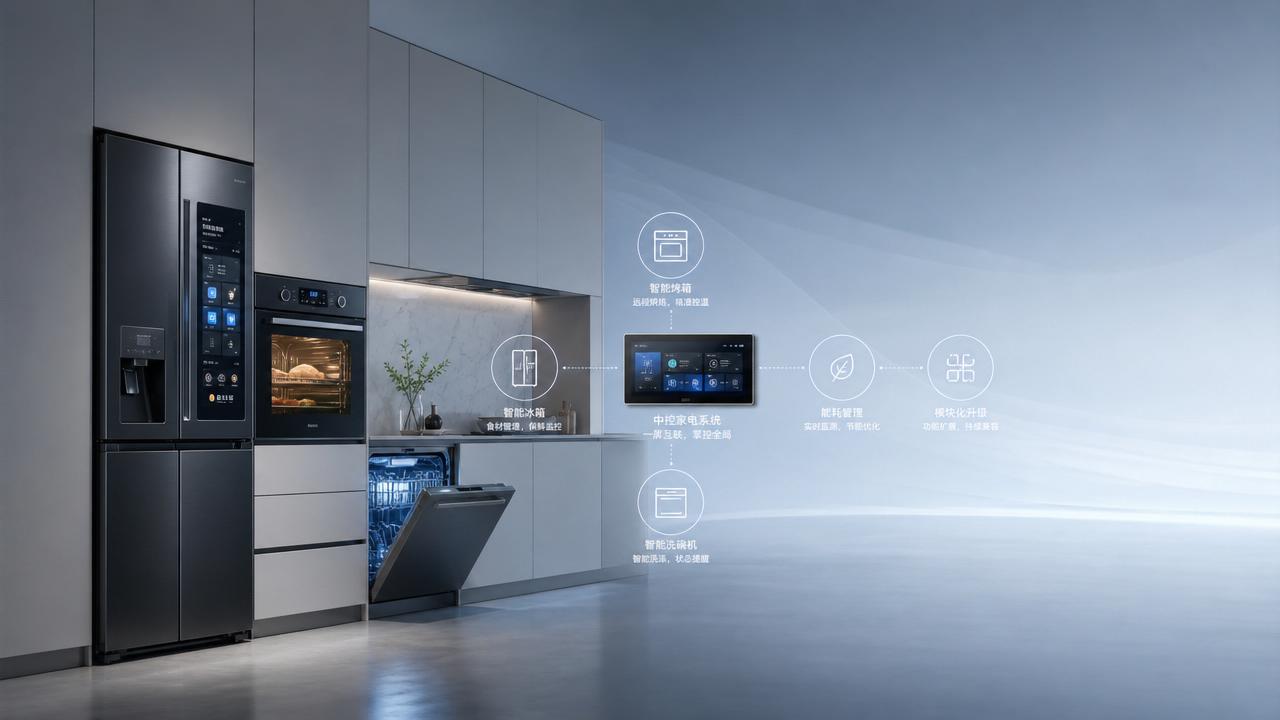
A stronger approach is to evaluate smart kitchen technology as a system, not a collection of gadgets. That shift usually leads to better long-term performance.
Core Features That Actually Matter
Not every feature deserves equal attention. In actual purchasing work, useful functions are the ones that improve control, efficiency, and service life.
1. Remote monitoring and control
Remote access is often the first requested function in smart kitchen technology. It allows status checks, temperature adjustments, alerts, and shutdown actions from one interface.
This feature is especially valuable in multi-unit housing, serviced apartments, and commercial kitchens. It can shorten response time when equipment behaves abnormally.
2. Energy and water management
A practical smart kitchen technology platform should help measure actual consumption. Usage data supports cost control and strengthens sustainability reporting.
Look for load scheduling, standby reduction, leak alerts, and resource tracking. These functions create measurable value beyond marketing claims.
3. Predictive maintenance support
The better systems can detect filter issues, overheating patterns, or unusual usage cycles. That gives operators time to act before failures become expensive.
For procurement, this matters because maintenance cost is rarely fixed. Predictive support can reduce emergency service calls and unplanned downtime.
4. Safety automation
Safety remains a core buying criterion. Smart kitchen technology should support leak detection, overheat shutdown, child lock functions, and abnormal power warnings.
In higher-density projects, these functions are not optional extras. They directly affect risk exposure, insurance discussions, and post-installation confidence.
Compatibility: The Real Test of a Smart Kitchen System
Compatibility is where many smart kitchen technology projects become difficult. Devices may work well individually but fail to connect smoothly at system level.
This is why platform review should happen early. Buyers should confirm protocols, app ecosystems, gateway requirements, and integration limits before final selection.
Check communication standards
Wi-Fi, Bluetooth, Zigbee, Z-Wave, and Matter can all appear in smart kitchen technology offers. The issue is not variety alone, but how these standards coexist.
A mixed environment may require bridges or extra hubs. That adds setup work, cybersecurity review, and possible failure points.
Review ecosystem lock-in
Some vendors build excellent products inside closed ecosystems. The problem appears later, when expansion depends on one brand’s roadmap or pricing policy.
Open or semi-open smart kitchen technology platforms usually offer more sourcing flexibility. They also make phased upgrades easier across multiple project types.
Confirm integration with building systems
In commercial projects, smart kitchen technology may need to connect with building management systems, security layers, or utility monitoring dashboards.
If that connection requires custom middleware, costs can rise quickly. Early technical validation prevents surprises during deployment.
Understanding Upgrade Costs Before You Buy
Upgrade cost is often underestimated in smart kitchen technology decisions. Many teams focus on hardware price and overlook software, training, and replacement cycles.
A realistic cost model should separate initial purchase from long-term adaptation. That is where better procurement decisions become easier.
Main cost layers to calculate
- Hardware upgrades, including sensors, modules, control panels, and replacement components.
- Software subscriptions, cloud services, firmware support, and feature unlock fees.
- Integration work for apps, gateways, network configuration, and external platforms.
- Training costs for operators, maintenance teams, and service partners.
- Downtime risk during migration, replacement, or compatibility adjustments.
In practice, upgrade costs vary by project scale and standardization level. A fragmented device mix usually costs more to maintain over time.
That is why modular smart kitchen technology often delivers better value. It allows selective replacement instead of complete system change.
A Practical Evaluation Framework for Buyers
A structured evaluation method helps compare smart kitchen technology offers fairly. It also makes internal approval easier when several stakeholders are involved.
Use these five decision filters
- Define the project goal first, such as energy savings, premium positioning, labor efficiency, or safety improvement.
- Map compatibility requirements across devices, apps, networks, and future expansion scenarios.
- Model total cost of ownership across three to seven years, not just the first purchase cycle.
- Assess vendor support quality, response time, spare parts access, and software update commitment.
- Request pilot validation before full rollout, especially for multi-site smart kitchen technology deployment.
This framework reduces emotional buying and keeps decisions tied to measurable outcomes. It also supports stronger negotiation with vendors.
Common Procurement Risks and How to Avoid Them
Even attractive smart kitchen technology can create hidden problems if procurement controls are weak. Most issues start with incomplete technical review.
- Overbuying features that users rarely need, which raises cost without improving adoption.
- Ignoring firmware support periods, which can shorten the practical life of the system.
- Underestimating network infrastructure needs, especially in larger commercial environments.
- Accepting vague compatibility claims without documented testing or references.
- Missing data security review for connected appliances and cloud-based control platforms.
The safer path is to ask detailed operational questions early. Smart kitchen technology should fit real workflows, not only showroom demonstrations.
What Strong Vendor Proposals Should Include
A strong proposal for smart kitchen technology should do more than list functions. It should explain system logic, support terms, and upgrade pathways.
At minimum, request a clear bill of materials, protocol details, software support schedule, warranty scope, and estimated maintenance intervals.
It also helps to ask for lifecycle examples from similar projects. Comparable case data often reveals the true behavior of smart kitchen technology after installation.
When proposals are transparent, comparison becomes faster and less subjective. That creates better alignment across technical, financial, and operational teams.
Final Takeaway
The best smart kitchen technology decision is rarely the cheapest or the most advanced on paper. It is the option that stays compatible, manageable, and upgradeable.
In today’s market, buyers need connected solutions that support efficiency without creating future complexity. That means checking features, interoperability, support depth, and upgrade cost together.
From GIAM’s intelligence-driven view, smart kitchen technology should be sourced as part of a wider spatial strategy. Good decisions strengthen performance today and preserve flexibility tomorrow.
Before final selection, compare vendors against a lifecycle checklist, not a feature brochure. That single shift can improve cost control, resilience, and long-term project value.
Industry Briefing
Get the top 5 industry headlines delivered to your inbox every morning.