
Smart Kitchen Technology Upgrades That Improve Daily Workflow
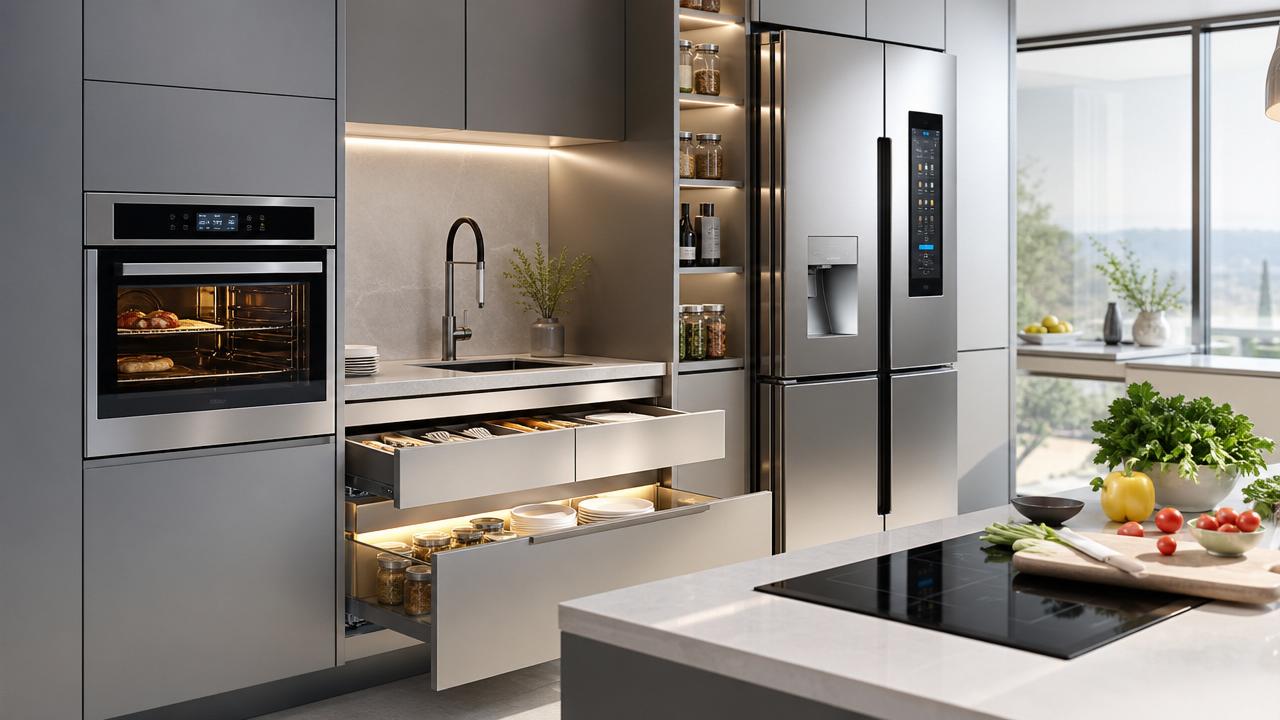
Upgrading your kitchen with smart kitchen technology can do more than add convenience—it can simplify routines, reduce wasted time, and create a smoother daily workflow. From app-connected appliances to intelligent storage and touchless controls, these innovations help modern households cook, clean, and organize more efficiently. In this article, we explore practical upgrades that make everyday kitchen tasks faster, easier, and more enjoyable.
What does smart kitchen technology actually include, and why is it improving daily workflow?
For most homeowners, smart kitchen technology is not just about owning a high-end refrigerator with Wi-Fi. It includes a broader group of connected tools, automated controls, sensor-based fixtures, and intelligent appliances designed to make cooking, cleaning, storage, and energy use more efficient. The reason this category is gaining attention is simple: the modern kitchen is both a work zone and a living zone, so even small improvements in speed, organization, and safety can noticeably improve everyday life.
A practical smart kitchen technology setup may include touchless faucets, app-controlled ovens, refrigerators with inventory tracking, under-cabinet lighting with motion sensors, voice-assisted timers, and dishwashers that optimize water use. Some upgrades focus on convenience, while others help with task coordination. For example, a connected oven can preheat on your way home, while a leak sensor under the sink can prevent expensive damage before it becomes a major problem.
What makes these upgrades valuable is not novelty alone. They remove friction from repeated tasks. If you cook daily, wash dishes several times a day, or manage a busy household schedule, workflow efficiency matters more than flashy features. Good smart kitchen technology supports habits, reduces interruptions, and helps the kitchen function more like a well-organized system.
Which smart kitchen upgrades make the biggest difference first?
Not every upgrade delivers the same return in daily use. If the goal is to improve workflow rather than collect gadgets, start with products that address frequent pain points: dirty hands, poor visibility, slow heating, clutter, and repetitive manual steps. In many homes, the best first upgrades are the ones used several times a day.
Touchless faucets are often among the most effective entry-level options. They reduce mess when handling raw ingredients, speed up rinsing, and make cleanup easier when your hands are full. Motion-activated lighting is another strong upgrade because it improves visibility during early mornings, late nights, and quick kitchen visits without forcing users to reach for switches.
Smart ovens and induction cooktops can also transform daily workflow, especially for households that cook often. Remote preheating, preset cooking modes, and temperature precision reduce monitoring time and lower the chance of overcooking. Connected refrigerators are useful too, but their value depends on whether users will actually use inventory reminders, expiration alerts, or internal cameras when shopping.
Another overlooked area is smart storage. Drawer systems with lighting, pull-out inventory organization, and digital labeling tools are not as glamorous as connected appliances, but they save time every day. Workflow problems often begin with poor organization, not with a lack of advanced equipment.
Quick comparison: which upgrade solves which problem?
Who benefits most from smart kitchen technology in real life?
Smart kitchen technology is often marketed as a universal upgrade, but the biggest value appears in specific household patterns. Families with children benefit from faster routines, safer appliance controls, and less mess during meal prep. Professionals with limited time value automation, remote activation, and alerts that reduce the need to constantly check food or appliances. Older adults may benefit from better lighting, voice controls, and safety monitoring, especially when mobility or memory becomes a concern.
Small kitchens can benefit as much as large kitchens, sometimes even more. In compact spaces, efficiency matters because every movement counts. A well-placed smart lighting system, compact connected appliance, or integrated storage solution can reduce congestion and make the room feel easier to use. In larger kitchens, smart kitchen technology helps coordinate multiple zones, such as prep, cooking, beverage, and cleanup areas.
People who enjoy cooking from scratch often prefer precision and control, so they may prioritize connected ovens, induction systems, and smart ventilation. Households that rely on quick meals may get more value from simplified reheating, voice-controlled timers, and refrigerators that support planning and grocery visibility. In other words, the right solution depends less on income level and more on routine intensity, kitchen layout, and pain points.
How do you choose smart kitchen technology without overbuying?
One of the biggest mistakes consumers make is buying based on feature lists instead of daily behavior. The smartest purchasing approach is to begin with a workflow audit. Ask simple questions: Where do delays happen? What tasks feel repetitive? Which part of the kitchen causes clutter or frustration? What do you touch when your hands are wet, full, or dirty? Answers to those questions will reveal whether you need better controls, faster appliances, improved organization, or stronger safety support.
Compatibility is another major issue. A kitchen filled with disconnected apps can become more annoying than helpful. Before buying, check whether products work with the same ecosystem, whether they support voice assistants you already use, and whether manual controls still function well. Reliable basics matter. If an appliance becomes difficult to use without an app, it may create future inconvenience rather than long-term efficiency.
You should also separate essential features from luxury extras. For example, precise temperature control and maintenance alerts may be genuinely useful, while built-in entertainment screens may add little to workflow. Smart kitchen technology should solve practical problems first. Better cooking consistency, lower water waste, easier cleaning, and stronger safety usually offer more value than attention-grabbing but rarely used features.
A simple buying checklist
Before choosing any upgrade, confirm these points:
- Will this product save time at least several times a week?
- Does it fit your current kitchen layout and electrical or plumbing setup?
- Can everyone in the household use it easily?
- Does it work well without forcing constant app interaction?
- Will it support energy efficiency, water saving, or safer operation?
What are the most common mistakes and hidden drawbacks?
The first mistake is assuming all smart kitchen technology is automatically useful. Some products are technically impressive but poorly matched to actual routines. If a household rarely cooks, a premium connected oven may deliver less value than better lighting, storage optimization, or a quiet efficient dishwasher. The second mistake is ignoring maintenance. Connected systems need software updates, stable Wi-Fi, and occasional troubleshooting. Buyers should be comfortable with that reality before investing heavily.
Another common issue is overcomplicating the user experience. A kitchen should reduce decision fatigue, not increase it. If every appliance sends notifications, requires account setup, or uses a different app, convenience can turn into digital clutter. Privacy is also worth considering. Smart appliances may collect usage data, so consumers should review permissions, security practices, and brand support quality.
There is also a design risk. Some homeowners focus on devices one by one and end up with a kitchen that feels visually inconsistent or functionally fragmented. A better approach is to think in systems: cooking, cleaning, storage, lighting, and safety. This perspective creates smoother integration and supports longer-lasting value.
How much should you budget, and is a phased upgrade better than a full remodel?
For most consumers, a phased upgrade is the more practical path. Smart kitchen technology does not need to arrive all at once to improve workflow. Entry-level upgrades such as sensor lighting, smart plugs, voice assistant integration, and leak detectors can be affordable and easy to install. Mid-range upgrades may include touchless faucets, connected microwaves, and smarter dishwashers. Higher-cost investments usually involve built-in ovens, advanced refrigeration, integrated ventilation, and layout changes to support connected systems.
A full remodel makes sense when the kitchen already has structural limitations, outdated utilities, or poor zoning. In those cases, smart kitchen technology works best when combined with better cabinet planning, appliance placement, lighting design, and traffic flow. However, if your kitchen layout already functions reasonably well, targeted upgrades often deliver better value than a complete renovation.
Budget planning should include installation, compatibility upgrades, maintenance expectations, and energy or water savings over time. A less expensive product that gets used every day may provide more practical return than a premium appliance with advanced features that remain untouched. Workflow improvement should stay at the center of the budget decision.
FAQ summary table: what should you prioritize?
What should you confirm before buying or planning a smarter kitchen?
Before moving forward, it helps to clarify a few decision points. First, identify the main goal: faster meal prep, easier cleaning, lower energy use, better safety, or stronger organization. Second, check the condition of your current plumbing, wiring, and ventilation, since these can affect which smart kitchen technology upgrades are realistic. Third, decide whether you want a single-feature improvement or a connected ecosystem that can expand over time.
It is also wise to ask how long you plan to stay in the home, how comfortable your household is with connected devices, and whether the brand offers dependable after-sales support. Consumers should compare not just prices, but usability, compatibility, service quality, and durability. In many cases, the best upgrade is the one that feels almost invisible because it works naturally within daily routines.
If you need to confirm a specific direction, parameters, timeline, budget range, or product combination, start by discussing these questions: Which tasks consume the most time today? Which appliances are due for replacement anyway? What installation limits already exist? Which functions must remain simple for every family member? By answering those questions first, you can choose smart kitchen technology that delivers meaningful workflow improvements instead of temporary excitement.
Industry Briefing
Get the top 5 industry headlines delivered to your inbox every morning.