
EN 16794:2026 Triggers Dual Compliance for Smart Cabinets
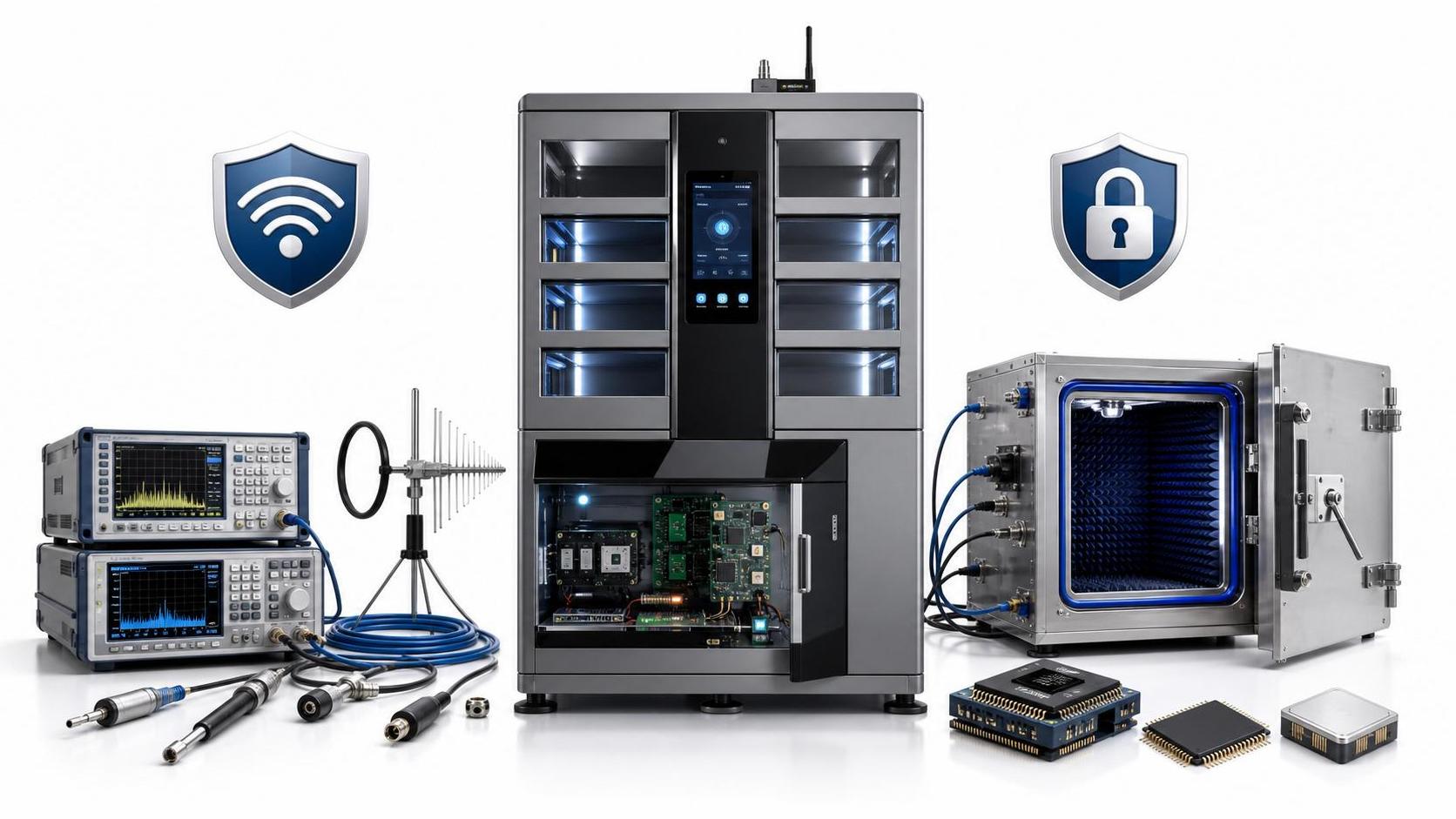
On June 21, 2026, the publication of EN 16794:2026 in the Official Journal of the European Union turned a new compliance requirement into an immediate CE-marking basis for smart cabinets. For manufacturers, exporters, buyers, testing partners, and delivery teams involved with cabinets that include electric lifting, IoT connectivity, or touch-control modules, the key issue is not only a new EMC obligation but the addition of cybersecurity verification under EN 303 647. This deserves close industry attention because it directly affects certification readiness, technical documentation, production scheduling, and shipment timing.
What the new standard now requires
According to the provided information, the Official Journal of the European Union published EN 16794:2026 on June 21, 2026, and the standard became a mandatory basis for CE marking from the date of publication. The new requirement brings smart cabinets, including products with electric lifting functions, IoT connectivity, and touch-control modules, into a dual certification framework covering EMC and EN 303 647 cybersecurity requirements. The complete unit is required to pass four core tests: radio-frequency immunity, conducted emissions, secure firmware OTA update mechanisms, and local encryption of user data. The same information also shows that leading Chinese smart cabinet exporters have already started urgent certification work, while average lead times for small and medium-sized manufacturers have extended to 8 to 12 weeks.
Where the pressure is likely to appear first
Export-facing product teams move from single-track to dual-track approval
From an industry perspective, exporters of smart cabinets are likely to feel the change first because CE access is now tied to both EMC and cybersecurity compliance for the covered product types. The practical impact is likely to appear in model review, test preparation, technical file updates, and shipment release decisions, especially where existing products were originally prepared around electrical or functional performance rather than a combined EMC and cybersecurity assessment.
Testing and certification workflows become a scheduling issue
Analysis shows that certification-related service providers and the companies that rely on them may face tighter coordination demands. Because the required checks include both electromagnetic performance and software-security-related items such as OTA update security and local data encryption, the compliance path is likely to involve more cross-functional preparation between hardware, firmware, and documentation teams. The reported 8 to 12 week lead-time extension for small and medium-sized manufacturers indicates that delivery planning and booking of testing resources are becoming part of the compliance challenge.
Buyers and procurement teams may need earlier document checks
What deserves closer attention is the procurement side of the chain. Buyers, sourcing teams, and channel partners handling smart cabinet programs may need to confirm earlier whether a supplier's product scope falls within the new standard and whether EMC and EN 303 647 evidence can be prepared in time. In practice, the affected business links are likely to include supplier qualification, pre-shipment document review, tender specification alignment, and delivery commitment management.
What companies should review now
Check whether existing models fall within the covered smart-cabinet scope
Companies should first review whether current or planned products include electric lifting, IoT networking, or touch-control modules, because the provided information identifies these features as part of the newly covered category. This is a threshold issue for deciding which products may require immediate reassessment under the dual-certification framework.
Re-examine technical files against the four stated test points
Observably, the most direct practical task is to compare current product files and test readiness against the four confirmed items: radio-frequency immunity, conducted emissions, secure firmware OTA updating, and local encryption of user data. If any of these areas are incomplete, companies may need to adjust document preparation, sample planning, or internal engineering coordination before committing shipment dates.
Build delivery plans around longer certification queues
The information provided already indicates that small and medium-sized manufacturers are facing average lead-time extensions of 8 to 12 weeks. It is therefore more appropriate to understand delivery risk as a current operational concern rather than a distant possibility. Export teams, procurement managers, and supply-chain coordinators should pay close attention to whether certification timing could affect order confirmation, production sequencing, and customer delivery promises.
Watch for changes in compliance wording and transaction documents
Because the input does not provide detailed enforcement language beyond the standard's publication and mandatory CE role, companies should continue watching how compliance expectations are reflected in technical declarations, testing reports, tender documents, and customer qualification requests. This remains an area for ongoing attention rather than a confirmed final practice standard.
Why this should be read as an execution signal
Analysis shows that this development is better understood as an implemented compliance shift rather than a preliminary policy discussion, because the standard is described as becoming a mandatory CE-marking basis from the date of publication. At the same time, it is not yet a complete picture of market execution. Observably, the rule change is already clear at the standards level, while the detailed pace of certification handling, document interpretation, and commercial adjustment still requires continued observation through testing practice and transaction requirements.
How the market is likely to interpret it for now
The most balanced reading is that EN 16794:2026 marks a concrete tightening of market-entry requirements for smart cabinets entering the relevant CE pathway, especially where connected or electronically controlled features are involved. It is more appropriate to understand this as a live compliance and delivery issue with immediate operational consequences, while keeping a neutral view on how fast individual companies and market channels will fully adapt.
Basis of this article
This article is based on the user-provided news title, event date, and event summary. For developments of this type, relevant source categories commonly include official notices, regulator publications, trade or customs information, industry association updates, standardization documents, and reporting by authoritative media. No specific official source link was provided in the input, so the precise official link still needs to be verified on an ongoing basis. What still requires continued monitoring includes detailed implementation language, certification interpretation in practice, changes in tender or procurement documents, market feedback, and the progress of company-level execution.
Industry Briefing
Get the top 5 industry headlines delivered to your inbox every morning.