
Interior Design Innovation That Solves Small-Space Storage Problems
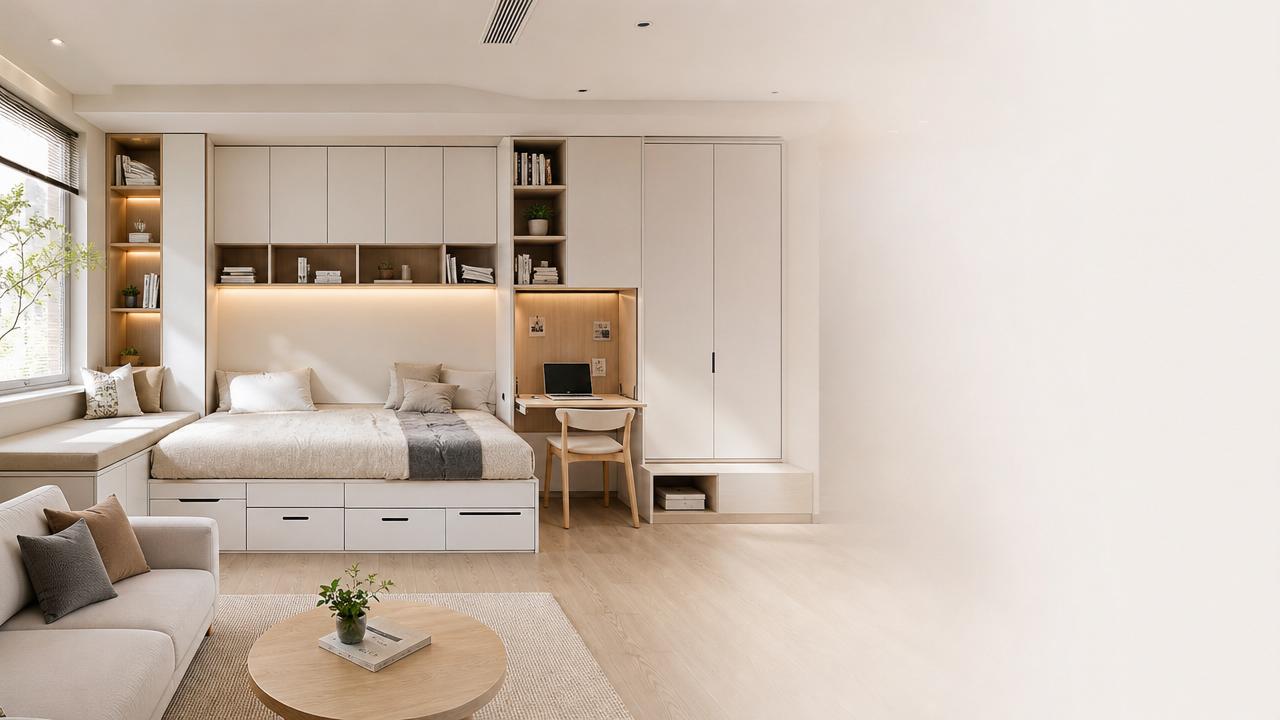
Living in a compact home no longer means sacrificing comfort or style. Today, interior design innovation is transforming small-space storage with smarter layouts, multifunctional furniture, and hidden organizing solutions that make every inch work harder. For consumers seeking a cleaner, more efficient living environment, these ideas offer practical ways to reduce clutter while creating spaces that feel open, modern, and easier to enjoy every day.
What does interior design innovation really mean in small-space storage?
For most consumers, interior design innovation is not about chasing futuristic trends or filling a room with expensive custom pieces. In the context of small homes, it means using design thinking to solve everyday storage frustrations in a smarter, more integrated way. Instead of adding more shelves after clutter appears, innovative design starts by asking how a room functions, how people move through it, and what objects need to be used, hidden, or displayed.
This approach often combines layout planning, product selection, and concealed storage details. A bed may include drawers, a window seat may hide seasonal items, and a hallway wall may become a slim storage zone for shoes, bags, and cleaning tools. The key idea is simple: storage should be built into the living experience rather than treated as a separate problem.
That is why interior design innovation is getting so much attention. Urban homes are becoming smaller, household needs are becoming more diverse, and consumers want spaces that look calm without losing practicality. Good storage design now supports aesthetics, hygiene, comfort, and even mental clarity. A home that stores well usually feels larger because visual noise is reduced and circulation becomes easier.
Why do traditional storage solutions often fail in compact homes?
Traditional storage often relies on standalone cabinets, bulky wardrobes, or open shelves added wherever there is leftover space. This can work in larger homes, but in compact apartments it usually creates new problems. Large furniture can block light, interrupt walking paths, and make rooms feel crowded. Open storage also tends to expose daily mess, which visually shrinks a room even if the total square footage stays the same.
Another issue is that standard storage products are rarely designed around specific habits. A family with children needs different access points than a single professional working from home. Someone who cooks daily needs better kitchen zoning than someone who mostly orders meals. Without this level of planning, homeowners end up with dead corners, inaccessible upper shelves, or storage that looks good but is too inconvenient to use consistently.
Interior design innovation improves this by making storage more adaptive. It turns corners into pull-out systems, transforms vertical wall area into organized capacity, and aligns furniture dimensions with real behavior. In other words, innovation succeeds where generic solutions fail because it responds to actual patterns of living.
Which small-space storage ideas make the biggest difference for everyday living?
The most effective ideas are not always the most dramatic. In many homes, a few well-planned upgrades deliver more value than a complete renovation. Interior design innovation works best when it improves the places where clutter naturally accumulates: entryways, bedrooms, kitchens, bathrooms, and flexible living areas.
Multifunctional furniture is often the first high-impact solution. Beds with underframe storage, lift-top coffee tables, nesting side tables, fold-down desks, and dining benches with internal compartments reduce the need for extra cabinets. These pieces support dual use without making a room feel overloaded.
Vertical storage is another major advantage. When floor area is limited, the wall becomes valuable real estate. Full-height wardrobes, floating shelves above doorways, tall pantry units, and wall-mounted organizers can expand usable capacity while preserving movement below. The important detail is proportion: tall storage should appear visually light through clean lines, balanced finishes, or integrated doors.
Hidden storage also matters because it protects visual order. Toe-kick drawers in kitchens, mirror cabinets in bathrooms, ottomans with storage, recessed niches, and platform seating with lift lids all help reduce visible clutter. When objects have discreet homes, rooms feel more restful and intentional.
Finally, zoning can be as powerful as furniture. Even in a studio or open-plan home, designating clear storage zones for work items, cooking tools, personal care products, and seasonal belongings prevents overlap. This is a less visible form of interior design innovation, but it strongly shapes how efficient a space feels over time.
How can consumers tell whether a storage solution is truly innovative or just trendy?
A smart way to judge interior design innovation is to look beyond the appearance of the product and evaluate how well it solves a real limitation. A trendy item may look compact online but fail in everyday use if drawers do not open fully, compartments are too shallow, or surfaces become difficult to clean. True innovation improves both form and function.
Consumers should ask practical questions. Does the solution reduce wasted space? Does it fit the room’s traffic flow? Can children, older adults, or frequent users access it comfortably? Will it still work if lifestyle needs change? Does it support maintenance and hygiene, especially in kitchens and bathrooms? These questions matter more than whether a design is currently fashionable.
Material quality is another clue. Durable hinges, moisture-resistant finishes, easy-clean surfaces, and stable hardware often make a bigger difference than decorative features. GIAM’s perspective on evolving residential and commercial spaces highlights this point clearly: intelligent living is not only about digital technology, but also about better material choices, stronger performance, and systems that support long-term daily use.
Quick evaluation table for consumers
Before buying or renovating, use this simple comparison to decide whether a storage option reflects meaningful interior design innovation or only surface-level appeal.
What room-by-room strategies work best for bedrooms, kitchens, bathrooms, and living areas?
Different rooms demand different kinds of interior design innovation, because storage pressure is not the same everywhere. A successful small-space plan is usually specific rather than generic.
Bedroom
In bedrooms, the priority is often clothing, linens, luggage, and personal items. Full-height wardrobes can outperform wide low units because they use vertical space more efficiently. Sliding doors can save clearance room, while internal organizers such as drawer dividers, pull-down rails, and upper compartments make the system more usable. If floor area is tight, under-bed storage is highly effective for less frequently used items.
Kitchen
Kitchens benefit from deep planning because poor storage quickly leads to visible disorder. Pull-out pantry columns, corner carousel systems, integrated waste sorting, and drawer-based base cabinets are common examples of interior design innovation that improve reach and organization. Consumers should also consider hygiene-focused materials, water-resistant cabinetry, and layouts that separate preparation, cleaning, and storage zones for smoother movement.
Bathroom
Bathrooms usually have the least room and the highest demand for efficient storage. Recessed shower niches, vanity drawers, mirrored cabinets, and wall-mounted units keep essentials accessible without crowding the floor. In this room especially, moisture resistance and easy-clean surfaces are not optional. They are part of the innovation because they preserve performance and appearance over time.
Living area or studio zone
In living spaces, flexibility is critical. Media units with concealed compartments, modular sofas, slim sideboards, and fold-away workstations support changing activities across the day. In studio homes, storage can also act as a soft divider. A shelving unit, storage bench, or custom partition can separate sleeping and working areas while still contributing capacity.
What mistakes do people make when trying to solve small-space storage problems?
One of the most common mistakes is assuming that more storage always means better storage. In reality, too many cabinets can make a compact home feel boxed in. Interior design innovation is about precision, not volume. The best systems remove waste and improve access instead of simply adding more enclosed units.
Another mistake is ignoring lifestyle patterns. A storage plan copied from social media may not match real daily behavior. For example, open shelving can look elegant in photos but become stressful in homes with limited time for maintenance. Similarly, hidden storage only works well if access is easy enough to encourage regular use.
Consumers also underestimate measurement and hardware details. A beautiful cabinet is less useful if the door swing blocks movement, if drawers clash with nearby walls, or if upper shelves are too high for comfortable reach. Small homes demand greater precision because every dimension affects comfort.
Finally, many people focus only on furniture and forget systems. Lighting, surface materials, and ventilation can all support better storage performance. A dark corner is harder to use well. Poor ventilation can damage stored items. Low-quality finishes may wear quickly in kitchens and baths. A truly innovative result depends on the full environment, not just isolated products.
How should consumers balance budget, customization, and long-term value?
Interior design innovation does not always require premium spending, but it does require smart prioritization. For many households, the best value comes from combining a few custom interventions with flexible off-the-shelf elements. Custom work may be most worthwhile in awkward areas such as alcoves, corners, under stairs, or compact kitchens where standard sizes waste too much space.
Meanwhile, freestanding modular pieces can be more budget-friendly in living rooms or bedrooms, especially if future relocation is possible. The decision should depend on whether the home needs maximum fit, mobility, or phased upgrades. Consumers should also think about operating value: will this solution reduce clutter enough to improve comfort every day, or is it only a cosmetic purchase?
Long-term value also comes from choosing durable materials and well-designed mechanisms. GIAM’s industry intelligence emphasizes how material science, water-saving systems, and smart living standards are shaping modern interiors. For end consumers, that translates into a useful principle: choose storage solutions that perform well in the real conditions of the room, especially where humidity, frequent opening, or intensive use are involved.
If you want to move forward, what should you confirm before choosing a design or product?
Before purchasing furniture, hiring a designer, or comparing renovation options, start with a short list of practical questions. What items need daily access, and what can be stored seasonally? Which areas currently collect clutter fastest? Are there unused vertical surfaces, under-bed zones, corners, or wall recesses? Do you need family-friendly access, work-from-home flexibility, or moisture-resistant bathroom and kitchen storage?
You should also confirm dimensions carefully, including circulation space, door swings, appliance clearances, and reach range. Ask whether a proposed solution is fixed or adaptable, how easy it is to clean, what materials are used, and whether installation will affect plumbing, lighting, or ventilation. These details often determine whether interior design innovation becomes a lasting improvement or an expensive compromise.
For consumers comparing suppliers or design directions, it helps to request examples tied to similar home sizes and lifestyles rather than only polished showroom images. Good small-space storage is measurable in everyday convenience. If a concept saves space but creates friction in use, it is not a true solution.
If you need to confirm a specific plan, product route, timeline, budget range, or cooperation approach, the best next step is to discuss room dimensions, storage priorities, material performance, installation constraints, and future lifestyle needs first. Those questions will make any interior design innovation more practical, more valuable, and far more likely to solve small-space storage problems in a lasting way.
Industry Briefing
Get the top 5 industry headlines delivered to your inbox every morning.