
Kitchen System Intelligence Explained: Which Features Matter Most in Daily Residential Use?
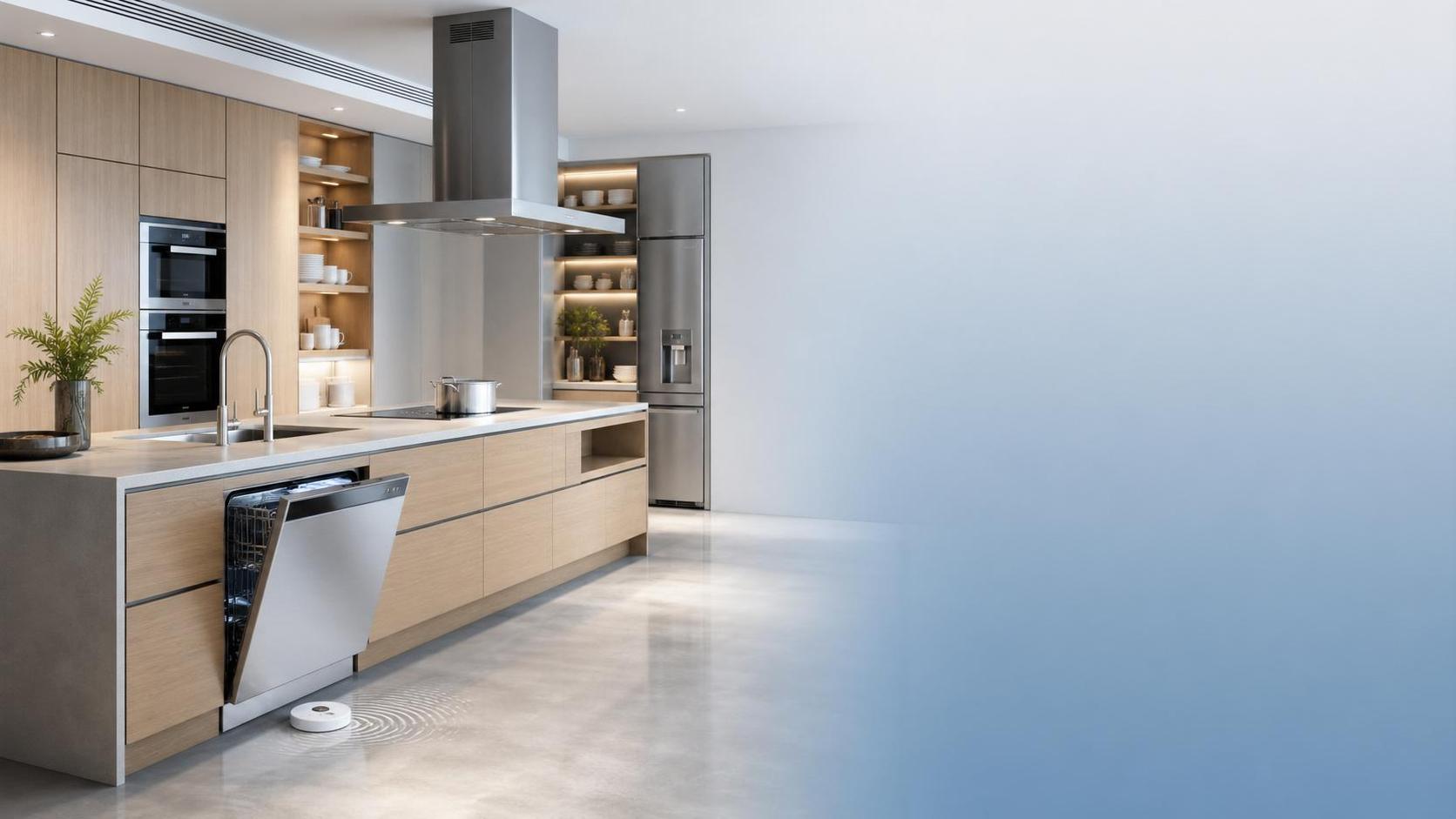
Why does kitchen system intelligence matter in an ordinary home?
Kitchen system intelligence now affects daily comfort more than many people expect. It changes how quickly meals are prepared, how safely appliances run, and how easily cleaning fits into a busy routine.
In practical terms, kitchen system intelligence is the coordinated use of sensors, controls, connected appliances, and responsive storage or water systems inside one cooking space.
That does not mean every kitchen needs a futuristic screen wall. More often, the value comes from quiet functions that reduce waste, avoid accidents, and simplify repeated tasks.
A useful way to read this topic is through everyday life. Can the kitchen respond faster, use less energy, stay cleaner, and remain easy to understand for everyone at home?
That broader view is consistent with how GIAM tracks smart kitchen and bath systems. The focus is not novelty alone, but the intersection of material performance, safety, water efficiency, and living intelligence.
So when people search for kitchen system intelligence, they are usually not asking for more technology. They are asking which features actually improve daily residential use.
Which features make the biggest difference day to day?
The most valuable features tend to be the least flashy. They solve repeat problems that happen every morning, every dinner rush, and every cleanup cycle.
If the goal is better residential performance, four groups usually matter most: control, safety, efficiency, and maintenance visibility.
- Intuitive controls that let people adjust lighting, ventilation, heat, and appliance status without navigating complex menus.
- Safety functions such as leak alerts, automatic shutoff, child lock options, and abnormal heat detection.
- Efficiency tools including load-based operation, water-saving wash cycles, and energy monitoring for high-use appliances.
- Maintenance prompts that flag filter replacement, drainage issues, or poor ventilation before they become expensive problems.
Connected refrigeration can be convenient, but it is rarely the first feature that transforms a home. Ventilation control, leak sensing, and smart dishwashing often deliver more immediate value.
The same applies to storage automation. Motorized drawers and lift systems can help, yet their value depends on layout, accessibility needs, and reliability over time.
A strong kitchen system intelligence setup should feel calm. It should remove small friction points instead of adding another digital system that needs constant attention.
How can you tell whether a smart feature is genuinely useful or just expensive?
A simple test helps: if a feature improves a frequent task, reduces a known risk, or saves measurable resources, it usually has real residential value.
If it only looks advanced in a showroom, the return may be weak. Kitchen system intelligence should be judged by use frequency, not by novelty.
The table below is a practical way to sort high-value functions from optional extras.
In other words, kitchen system intelligence should support the fundamentals first. Cooling, water control, ventilation, and safe heating still matter more than entertainment features.
Do all homes benefit equally from kitchen system intelligence?
Not really. The right level depends on layout, household habits, age of infrastructure, and how often the kitchen is used for real cooking rather than occasional reheating.
Open-plan homes often gain more from ventilation intelligence and quiet appliance coordination. Small apartments may benefit more from compact storage automation and energy tracking.
Older homes need extra caution. Smart devices cannot fully compensate for weak plumbing, limited electrical capacity, or poor cabinet moisture resistance.
This is where GIAM’s broader industry perspective becomes useful. Smart kitchen performance is tied to building materials, water systems, hygienic surfaces, and evolving efficiency standards.
For example, anti-bacterial surfaces and water-saving hardware often improve the actual outcome of kitchen system intelligence more than another layer of app connectivity.
A realistic match often looks like this:
- Frequent cooking households benefit from ventilation sensing, cooking timers, and durable easy-clean materials.
- Homes with children or older family members benefit from shutoff logic, lock modes, and clear visual alerts.
- Water-cost-sensitive homes benefit from leak detection and efficient dishwashing controls.
- Compact kitchens benefit from smart storage only when movement is smooth and manual override is easy.
The best residential kitchen system intelligence is not the most advanced package. It is the one that fits the actual conditions of the home.
What are the most common mistakes when choosing a smart kitchen setup?
One mistake is buying isolated smart products that do not work well together. A connected oven, a separate app faucet, and an unrelated sensor network can create more friction than convenience.
Another is overvaluing screen features and undervaluing core construction details. Kitchen system intelligence depends heavily on ventilation paths, drainage quality, durable finishes, and cabinet tolerance.
There is also a common budget trap. People invest in premium controls, then reduce spending on installation quality, waterproofing, or service access around appliances.
A few warning signs deserve attention before choosing any system:
- The interface is attractive in a demo but difficult to use quickly.
- Key functions stop working offline or during router issues.
- Replacement parts, filters, or service support are unclear.
- The system creates too many notifications for low-priority events.
- There is no manual override for essential operations.
In daily residential use, reliability beats complexity. A modest kitchen system intelligence plan with stable controls is usually better than a feature-rich system that people stop trusting.
How should cost, maintenance, and future upgrades be judged?
The purchase price is only part of the decision. Kitchen system intelligence should also be judged by maintenance effort, software support, repair access, and likely energy or water savings over time.
In many homes, the best return comes from mid-range intelligence applied to high-use functions. That usually means dishwashing, ventilation, refrigeration alerts, and water safety.
More advanced automation may still be worthwhile, especially where accessibility or frequent cooking is a priority. The question is whether the feature keeps delivering value after the first few months.
When comparing options, it helps to check five points:
- How long the manufacturer supports software and connected functions.
- Whether filters, sensors, and spare parts are easy to source.
- How much of the system still works during network failure.
- Whether upgrades require rebuilding cabinetry or plumbing.
- If energy and water savings are documented in realistic use conditions.
This longer view reflects the same priorities GIAM emphasizes across smart spaces: performance, safety, sustainability, and compatibility with changing standards rather than short-lived gadget value.
What is a sensible next step before choosing kitchen system intelligence?
Start by mapping the kitchen’s real pain points. Most decisions become clearer once daily problems are written down in plain terms.
Maybe steam lingers too long, water use feels high, storage is awkward, or appliance controls are confusing. Those clues point to the kitchen system intelligence features that deserve priority.
Then compare options using one consistent standard: ease of use, safety value, efficiency impact, installation fit, and maintenance burden. This prevents expensive choices based only on brand image or app design.
A smart kitchen should support how a home actually lives. The strongest kitchen system intelligence choices are usually the ones that feel almost invisible, because they solve problems without demanding attention.
Before moving ahead, review infrastructure, shortlist essential features, and confirm service support. That is the practical path to a kitchen that is more efficient, safer, and easier to live with every day.
Industry Briefing
Get the top 5 industry headlines delivered to your inbox every morning.