
Indonesia Accelerates SNI 7336:2026 Fire Safety Standard for Bathroom Cabinets
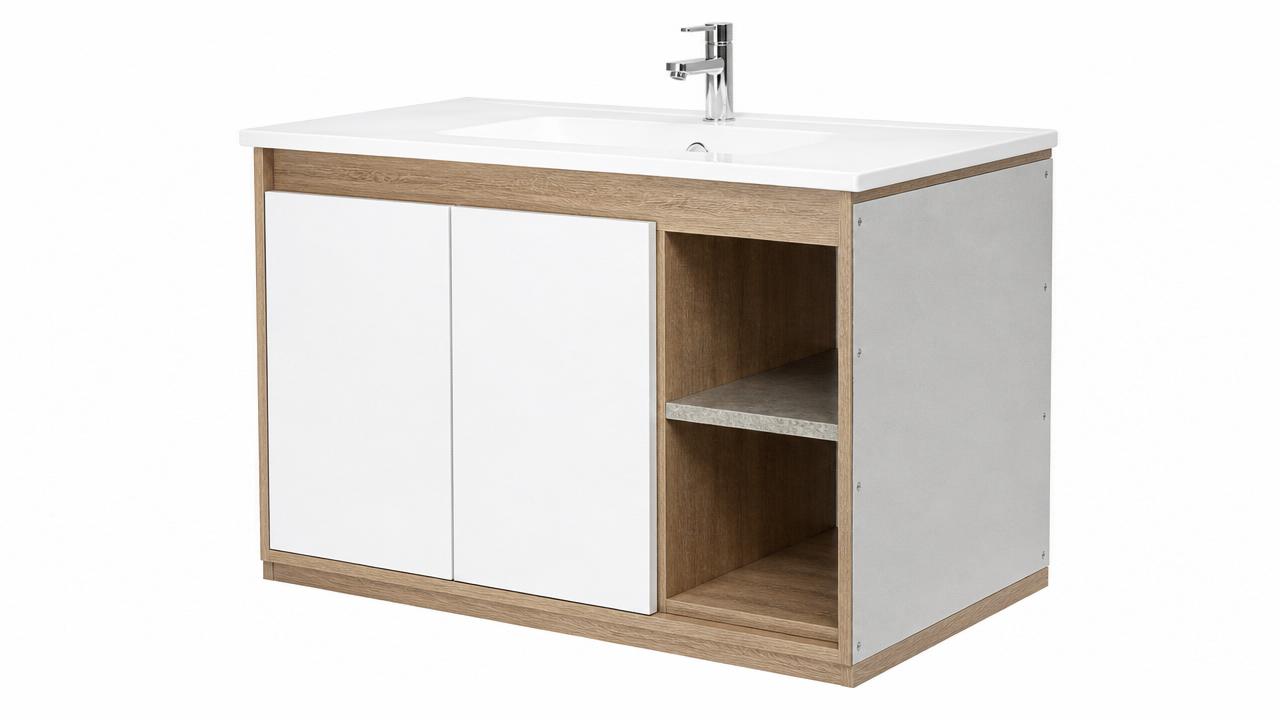
On May 7, 2026, Indonesia’s Central Bureau of Statistics (BPS) and Ministry of Trade jointly announced the enforcement timeline for SNI 7336:2026 — the national standard for fire performance of wooden bathroom furniture. The introduction of a new requirement — ‘time to thermal radiation penetration ≥15 minutes’ (per ISO 5657:2022) — signals material and testing implications for exporters, particularly manufacturers of bathroom cabinets based in China. This development directly affects wooden bathroom furniture exporters, component suppliers, and compliance service providers serving the Indonesian market.
Event Overview
On May 7, 2026, Indonesia’s Central Bureau of Statistics (BPS), in coordination with the Ministry of Trade, issued an official notice confirming that SNI 7336:2026, titled ‘Fire Performance Requirements for Wooden Bathroom Furniture’, has entered its mandatory implementation countdown. A key technical update is the inclusion of the ‘thermal radiation penetration time ≥15 minutes’ test criterion, conducted in accordance with ISO 5657:2022. As of the notice date, only 12 Chinese manufacturers of bathroom cabinets have passed this test. All other exporters must either install flame-retardant backing panels or switch to inorganic composite materials to meet the standard.
Industries Affected by This Development
Direct Exporters (Wooden Bathroom Cabinet Manufacturers)
Manufacturers exporting wooden bathroom cabinets to Indonesia are directly subject to the new testing and certification requirements. Non-compliant units risk customs rejection or market withdrawal post-enforcement. The requirement specifically targets fire propagation behavior under radiant heat exposure — a shift from prior surface-flame resistance assessments.
Material & Component Suppliers
Suppliers of back panels, substrates (e.g., MDF, particleboard), and edge-banding materials face revised specification demands. Flame-retardant additives, mineral-filled composites, or certified non-wood alternatives may now be required upstream to ensure final assembly passes the thermal radiation test — not just individual material certifications.
Compliance & Certification Service Providers
Third-party testing labs and SNI certification consultants must now offer ISO 5657:2022-aligned thermal radiation penetration testing. Capacity constraints and lead times for this specific test — which requires calibrated radiant heat sources and precise time-to-penetration measurement — may affect turnaround for clients seeking pre-market validation.
Distribution & Import Agents in Indonesia
Local importers and distributors handling wooden bathroom furniture must verify SNI 7336:2026 compliance documentation before clearance. Unlike previous standards, this version mandates test reports referencing ISO 5657:2022 methodology — not just generic flame-spread classifications — increasing scrutiny during customs verification.
What Relevant Enterprises or Practitioners Should Focus On and How to Respond
Monitor Official Implementation Guidance and Transitional Arrangements
While the May 7, 2026 notice confirms the countdown has begun, BPS and the Ministry of Trade have not yet published the exact effective date or grace period. Enterprises should track subsequent announcements via official channels (e.g., BPS Regulation Portal, Indonesian National Standardization Agency — BSN updates) for deadlines, sampling protocols, and accepted test lab accreditation criteria.
Verify Current Product Configurations Against the Thermal Radiation Criterion
Manufacturers should assess whether existing cabinet designs — especially those with wood-based backs, shelves, or internal partitions — can pass the ≥15-minute thermal radiation penetration test without modification. Analysis shows that structural geometry, joint density, and substrate composition (not just surface treatment) significantly influence performance under radiant heat exposure.
Prepare for Material Substitution or Engineering Adjustments
For products unlikely to pass unmodified, current more practical options include adding certified flame-retardant backing panels or switching to inorganic composite substrates (e.g., calcium silicate board, fiber cement). Observably, such changes impact weight, machining parameters, and cost structure — requiring updated BOMs and supplier qualification records ahead of submission.
Engage Accredited Testing Labs Early — Especially Those With ISO 5657:2022 Capability
Only laboratories accredited by Komite Akreditasi Nasional (KAN) or recognized under ILAC-MRA for ISO 5657:2022 testing will issue valid reports for SNI 7336:2026 compliance. Enterprises should confirm lab capacity and booking windows now, as demand is expected to rise following the May 7 notice.
Editorial Perspective / Industry Observation
This notice is better understood as a formal signal of regulatory tightening rather than an immediate operational cutoff. Analysis shows that Indonesia’s move aligns with broader ASEAN efforts to harmonize fire safety benchmarks for interior wood products — though SNI 7336:2026 introduces a more stringent, physics-based metric than regional peers currently require. From an industry perspective, the narrow pass rate among Chinese manufacturers (12 out of an estimated hundreds active in this segment) suggests limited preparedness — making early technical alignment more critical than procedural registration alone. Continued observation is warranted on whether BPS will allow phased implementation or accept equivalency claims from other internationally recognized tests.
Indonesia’s accelerated rollout of SNI 7336:2026 reflects a growing emphasis on real-world fire behavior — not just ignition resistance — in building interior products. For exporters, this marks a transition from compliance-by-documentation to compliance-by-performance. It is more accurately interpreted as a mid-term supply chain recalibration trigger than a short-term trade barrier, provided technical adaptations begin promptly and are grounded in validated test data.
Source: Official notice issued jointly by Indonesia’s Central Bureau of Statistics (BPS) and Ministry of Trade on May 7, 2026.
Note: The exact enforcement date, transitional provisions, and list of accredited testing laboratories remain pending official publication and are subject to ongoing monitoring.
Industry Briefing
Get the top 5 industry headlines delivered to your inbox every morning.