
South China-North Europe Freight Rate Jumps 28% in a Week
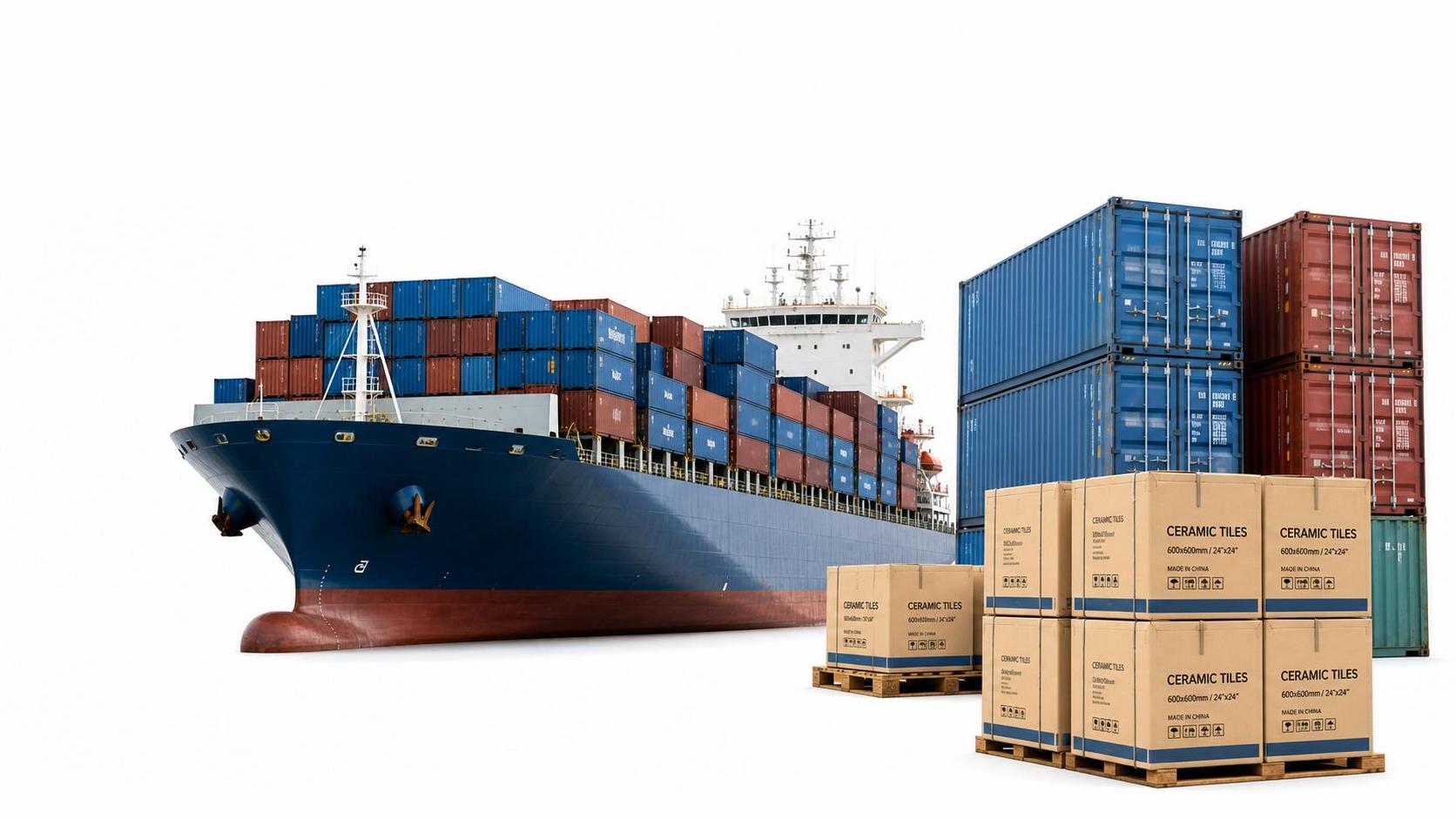
On July 3, 2026, the latest CCFI data released by the Shanghai Shipping Exchange (SSE) showed a sharp week-on-week rise in spot container freight rates on the main South China-North Europe route. For exporters shipping higher-value building products such as Faucets & Showers and Built-in Ovens, this is not just a price move. It is a live execution signal that freight cost assumptions, delivery planning, and trade performance risk on Europe-bound business may need to be reassessed in the near term.
The verified signal from the latest CCFI release
According to the SSE release dated July 3, 2026, the spot freight rate on the main South China-North Europe route, including services such as Shenzhen Yantian to Hamburg, reached $4,820/FEU. The figure was up 28% from the previous week and marked a new high for 2026.
The summary provided for this move points to three stated factors: continued rerouting around the Red Sea, the after-effects of the Rotterdam port strike, and earlier seasonal restocking in Europe. The same summary indicates that the trend is set to raise logistics costs and delivery uncertainty for exports of higher-value building materials, including Faucets & Showers and Built-in Ovens.
Where the pressure is likely to show up first
Exporters facing tighter delivery execution
From an industry perspective, exporters serving the Europe market are the first group likely to feel the impact. The issue is not limited to higher freight expense. It also affects shipment timing, booking assumptions, and the reliability of delivery commitments already reflected in contracts, quotations, or sales schedules. What deserves closer attention is whether internal trade documents, shipping terms, and delivery windows still match actual transport conditions.
Procurement and production teams managing timing risk
For manufacturers and procurement teams, especially those handling higher-value building products, the main pressure point is coordination between production completion and outbound shipment timing. Analysis shows that when freight rates rise sharply in a short period, the operational challenge often extends beyond cost into planning accuracy. Teams may need to review whether existing production cycles, export preparation steps, and dispatch timing still support agreed delivery expectations.
Supply chain service providers under documentation and coordination strain
Supply chain service providers, including freight-related coordinators and export support teams, may face heavier execution pressure as cost volatility and transit uncertainty increase at the same time. In practice, this can raise the importance of timely document handling, booking coordination, and shipment status communication. It is more appropriate to understand this as a trade-execution issue rather than a simple freight-pricing issue.
Buyers and downstream channels watching fulfillment reliability
Buyers, distributors, and downstream channel participants may also need to pay closer attention to fulfillment reliability for Europe-bound orders. Observably, when transport conditions become less predictable, the focus often shifts from nominal order placement to whether shipment dates, arrival expectations, and after-sales readiness remain workable under current logistics conditions.
What companies should review now
Check whether commercial documents still match current freight conditions
Analysis shows that companies with active Europe-bound shipments should first review quotation validity, delivery clauses, and freight-related assumptions in current transaction documents. The immediate issue is not the creation of a new formal trade rule in the abstract, but the possibility that existing commercial commitments were built on freight conditions that have changed quickly.
Watch product categories with higher freight sensitivity
What deserves closer attention is the exposure of higher-value building material categories specifically mentioned in the event summary, including Faucets & Showers and Built-in Ovens. For these categories, logistics cost changes and lead-time instability may affect export pricing, shipment sequencing, and customer communication more directly than in lower-value or less time-sensitive segments.
Keep compliance and technical files ready for delayed or split deliveries
Observably, when shipping uncertainty rises, delayed dispatch, split lots, or revised delivery timing can place more weight on document readiness. Companies should pay attention to whether product compliance files, technical documents, test records, and shipment paperwork are organized in a way that supports changes in dispatch rhythm. This is a practical control point rather than proof of any new mandatory requirement.
Follow later execution signals rather than assuming a settled outcome
The current information does not provide detailed implementation measures, official follow-up guidance, or specific rule adjustments beyond the freight-rate development itself. For that reason, companies should treat the event as a signal to monitor execution risk closely, including any later changes in buyer requirements, tender wording, delivery tolerances, or internal approval thresholds tied to export shipments.
Why this matters as an execution signal
Analysis shows that this development is better understood as an operational and trade-rule signal than as a standalone shipping headline. The confirmed fact is a sharp rise in freight rates on a core route, together with identified disruption factors. The wider significance lies in how that movement can alter real-world execution across quoting, booking, delivery commitments, and customer-side acceptance of timing changes.
It is more appropriate to understand this as an already visible market execution change, while the broader rule impact still requires observation. The industry does not yet have enough information here to treat it as a settled regulatory shift or a fixed new trade baseline. Continued attention should therefore stay on how market participants adjust actual transaction terms and delivery practices.
A practical reading of the latest move
For the building materials export chain, the July 3 signal points to a more difficult Europe-bound shipping environment in the near term, especially for higher-value products exposed to freight-cost swings and delivery uncertainty. The most rational conclusion at this stage is not that a new formal rule has fully taken shape, but that current transport conditions are already affecting how existing trade commitments may need to be executed and managed.
Basis of this article and items still to verify
This article is based on the user-provided news title, event date, and event summary. For developments of this type, commonly relevant source categories may include official exchange releases, regulator or trade authority notices, customs or trade administration updates, industry association information, standards-related documents, and reporting by authoritative media.
No specific official source link was provided in the input, so the original link and any subsequent official clarification still need to be verified on an ongoing basis. Observably, the follow-up points worth watching include later official wording, execution interpretations in trade practice, changes in tender or procurement documents, market feedback, and how companies adjust delivery and compliance workflows in response.
Industry Briefing
Get the top 5 industry headlines delivered to your inbox every morning.