
Water-Efficient Technologies Worth Upgrading in High-Use Bathrooms
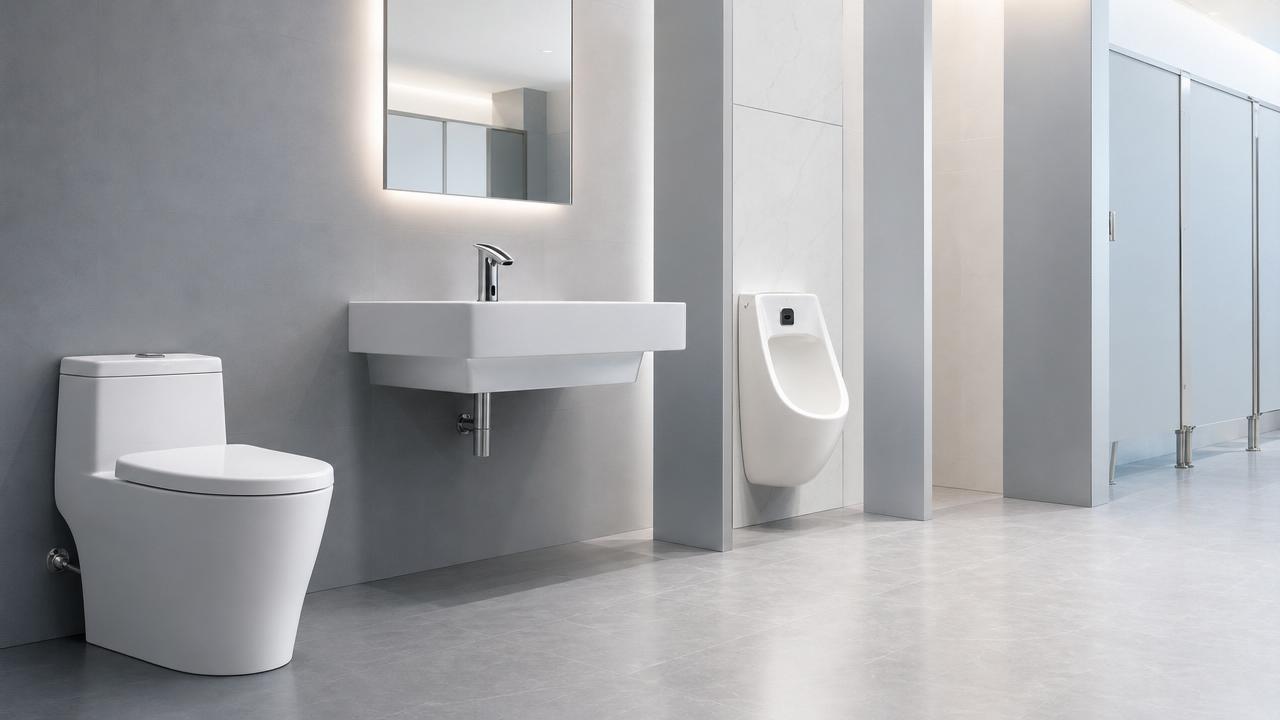
In high-use bathrooms, every flush, rinse, and wash adds up fast—making water-efficient technologies a smart upgrade for operators focused on cost control, reliability, and sustainability. From low-flow fixtures to sensor-based systems, the right solutions can reduce waste without compromising user comfort or hygiene. This guide explores practical upgrades worth considering for busy spaces where performance and long-term efficiency matter most.
For operators managing commercial buildings, transport hubs, hospitality projects, healthcare facilities, educational campuses, or mixed-use developments, bathroom efficiency is no longer a minor maintenance issue. It directly affects utility budgets, cleaning schedules, user satisfaction, and compliance with green building goals. In high-traffic settings, even a small reduction of 1 to 2 liters per use can translate into thousands of liters saved each month.
Within GIAM’s focus on sanitary spaces, smart kitchen and bath systems, and the broader evolution of residential and commercial environments, water-efficient technologies stand out as practical upgrades with measurable return. The most valuable solutions are not always the most complex. Often, the best investments are fixtures and controls that balance hydraulic performance, durability, maintenance simplicity, and lifecycle cost over 3 to 10 years.
Why High-Use Bathrooms Need Water-Efficient Upgrades
Busy bathrooms experience repeated use cycles every hour, which amplifies both waste and wear. A restroom in a shopping center, office tower, airport, or school may see 200 to 2,000 visits per day, depending on the facility profile. Under that level of demand, outdated flush valves, unrestricted faucets, and poorly tuned sensors can create unnecessary consumption, higher service calls, and avoidable complaints.
Water-efficient technologies matter because they improve three operating metrics at once: resource use, labor efficiency, and system reliability. Reducing water volume lowers direct utility cost, but it can also decrease hot water demand, shorten drying time on surfaces, and reduce splash-related cleaning frequency. In many buildings, those secondary benefits add as much value as the water savings themselves.
Core operator pain points
- High monthly water bills caused by old 9 to 13 liter-per-flush toilets or unrestricted faucet flow.
- Frequent maintenance from leaking valves, stuck flush mechanisms, and sensor misreads.
- User complaints when low-flow products are specified without proper pressure matching.
- Inconsistent hygiene outcomes in facilities with heavy use every 5 to 10 minutes.
- Difficulty balancing sustainability targets with uptime and cleaning performance.
What makes a technology upgrade worthwhile
A worthwhile upgrade should deliver measurable savings without creating hidden tradeoffs. Operators should evaluate at least 4 factors: water reduction, ease of maintenance, user experience, and compatibility with existing plumbing. A faucet aerator that saves 30% water but clogs every 6 weeks may not be the right choice for a transport terminal. Likewise, an advanced sensor system should be judged not only by automation but also by battery life, cleaning resilience, and adjustment options.
The table below compares common water-efficient technologies used in high-use bathrooms and highlights where each one fits best.
The key takeaway is that water-efficient technologies should be matched to traffic intensity and maintenance capacity, not selected only on advertised savings. In high-use bathrooms, reliability under repeated daily cycles is just as important as rated flow reduction.
The Most Practical Water-Efficient Technologies to Upgrade First
When operators need a phased plan, the most practical approach is to begin with fixtures that offer fast payback and minimal plumbing disruption. In many retrofits, toilets, urinals, faucets, and flush controls can be upgraded within 2 to 6 weeks, depending on site access, procurement lead time, and the number of bathroom groups involved.
Low-flow toilets and optimized flush valves
Toilets remain one of the highest-consumption points in any bathroom. Replacing older models that use 6 to 13 liters per flush with modern high-efficiency versions in the 3.8 to 4.8 liter range can significantly reduce demand. In commercial settings, the quality of the flush valve, trapway design, and bowl rinse pattern matters more than headline numbers alone.
Operators should also check whether the existing supply pressure and drainage design support reduced-volume flushing. A fixture that works well in a newly built office tower may underperform in an older building with long branch lines or inconsistent water pressure. Pilot testing 2 to 4 units before a building-wide replacement often prevents costly mistakes.
Specification tips
- Target commercial-grade flush performance rather than only low volume.
- Review spare parts availability for at least 3 to 5 years.
- Ask whether seals, diaphragms, and cartridges can be serviced without full disassembly.
- Confirm the fixture can handle peak-use intervals with less than 1 minute between cycles.
Sensor faucets and flow regulators
Faucets are often the simplest and most visible upgrade. Manual faucets left running for even 10 to 20 extra seconds per use create major waste in busy wash areas. Sensor faucets with flow rates commonly set between 1.9 and 5.7 liters per minute help standardize usage, reduce touchpoints, and improve hygiene control in high-contact facilities.
For operators, the real question is not whether sensor faucets save water, but whether the selected system is easy to maintain. Models with adjustable sensing distance, anti-vandal housings, and battery life of 2 to 5 years are usually better suited to high-use environments than low-cost units with fixed settings and limited service access.
Ultra-low-flush or waterless urinals
Urinals can deliver substantial savings, especially in venues with concentrated male traffic. Ultra-low-flush units can reduce consumption dramatically compared with older 3 to 4 liter-per-use systems, while waterless urinals eliminate flush water altogether. However, success depends on cleaning discipline, odor management, and proper cartridge or trap seal replacement intervals.
In stadiums, schools, and transport facilities, waterless solutions are attractive where operating teams can follow a strict maintenance routine. In facilities with inconsistent housekeeping or limited technical oversight, ultra-low-flush models may offer a more balanced path between savings and service reliability.
Leak detection and smart controls
Not all water-efficient technologies are visible at the point of use. Leak detection sensors, connected shutoff valves, and usage monitoring systems help operators identify abnormal consumption before it becomes a major cost. A silent leak from a valve or supply connection can waste significant water over 24 hours, and in multi-bathroom facilities this often goes unnoticed until billing or damage appears.
Smart monitoring is especially valuable in commercial portfolios with 10 or more washrooms across several floors or buildings. It supports faster response, better maintenance planning, and more accurate comparison between expected use and actual performance.
How to Evaluate Performance, Maintenance, and Total Cost
A procurement decision should not be based on unit price alone. Water-efficient technologies create value over time, so operators need a lifecycle view that includes installation complexity, expected service intervals, replacement parts, downtime risk, and user behavior. In many projects, the cheapest fixture becomes the most expensive option after 12 to 24 months of repairs and complaints.
The checklist below helps operators compare technologies with a practical, project-level lens rather than a purely product-led one.
This comparison shows why a successful upgrade depends on system fit, not just product claims. Water-efficient technologies perform best when operators review installation conditions, traffic profile, and service capacity before final selection.
Typical implementation timeline
- Site survey and consumption review: 3 to 7 days.
- Product comparison and sample approval: 1 to 2 weeks.
- Pilot installation in 1 to 3 bathrooms: 1 week.
- Performance review under actual traffic: 2 to 4 weeks.
- Phased rollout and handover: 2 to 6 weeks, depending on project size.
Common mistakes to avoid
Choosing the lowest flow without checking user expectations
Aggressive flow reduction can backfire if handwashing takes longer or bowl clearing becomes inconsistent. For high-use bathrooms, efficiency should reduce waste, not create repeat flushing, splashback, or hygiene concerns.
Ignoring maintenance training
Even good water-efficient technologies fail when staff do not know sensor calibration, cartridge replacement intervals, or cleaning restrictions. A 30-minute maintenance briefing can prevent months of avoidable issues.
Skipping pilot testing
Pilot testing is essential where daily usage is high. It reveals whether fixtures perform correctly under real traffic, water pressure variation, and housekeeping routines before operators commit to dozens or hundreds of units.
Best Practices for Long-Term Results in Commercial and Institutional Spaces
The most effective water-saving strategy combines product upgrades with operating discipline. High-use bathrooms benefit from a simple 3-part framework: efficient fixtures, scheduled inspection, and performance monitoring. When one of those elements is missing, savings often decline within 6 to 12 months.
Build a maintenance routine around actual usage
Restrooms with 500 users per day should not follow the same service schedule as restrooms with 50 users per day. Operators should align inspection frequency with occupancy intensity. For example, sensor faucet checks may be weekly in transport or retail sites but monthly in low-traffic office areas.
Track performance after installation
Post-installation tracking is where many projects lose momentum. Compare pre-upgrade and post-upgrade water use over 30, 60, and 90 days. Even if exact sub-metering is unavailable, operators can monitor changes through utility bills, maintenance logs, cleaning reports, and user feedback patterns.
Prioritize supplier support and parts continuity
For B2B buyers, a reliable support structure is often more valuable than a slight difference in fixture price. Ask suppliers about replacement components, expected response times, and whether the product line is intended for project continuity over several years. In sanitary spaces with heavy daily use, delayed spare parts can disrupt operations faster than most teams expect.
Water-efficient technologies are most successful when specified as part of a broader sanitary space strategy rather than isolated products. For operators, the strongest upgrade path usually starts with the highest-use fixtures, validates performance through a pilot, and scales with clear maintenance planning. That approach supports lower water consumption, better bathroom reliability, and stronger lifecycle value across commercial and institutional environments.
GIAM’s industry perspective on materials, sanitary systems, and smart spatial solutions can help decision-makers evaluate upgrades with both technical and market intelligence in mind. If you are reviewing retrofit options, comparing fixture categories, or planning a new project standard for high-use bathrooms, contact us to get a tailored solution, discuss product details, and explore more water-efficient technologies for your space.
Industry Briefing
Get the top 5 industry headlines delivered to your inbox every morning.