
Water-efficient construction is rising for a good reason
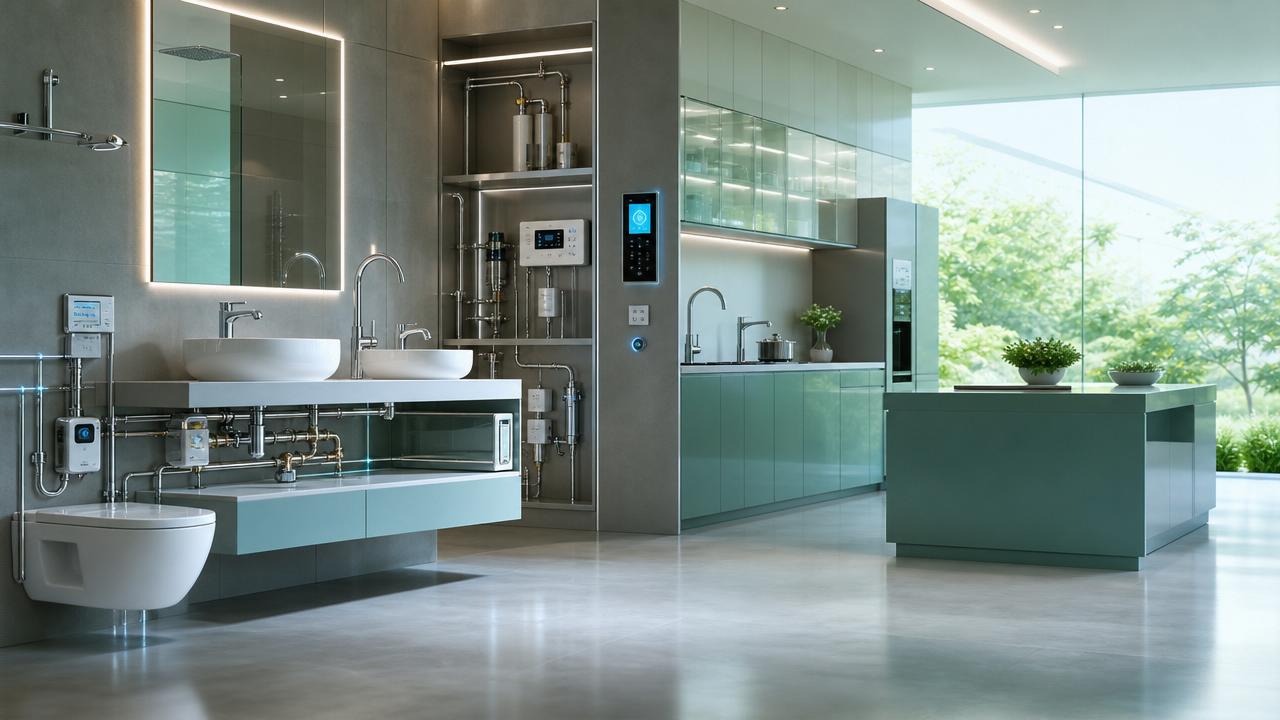
Water-efficient construction is moving from green option to core building strategy
Water-efficient construction is rising for a practical reason: it protects building economics while meeting stricter environmental expectations.
Lower water use reduces utility bills, maintenance pressure, and long-term retrofit risks across residential, hospitality, healthcare, retail, and office spaces.
It also aligns with tighter codes, ESG targets, urban density challenges, and growing demand for smarter interior and sanitary systems.
For the broader construction value chain, water-efficient construction is no longer symbolic sustainability. It is becoming a measurable asset-performance decision.
This matters strongly in integrated building design, where materials, fixtures, controls, and user experience now need to work as one system.
Clear market signals show water-efficient construction is accelerating
Several signals indicate that water-efficient construction has entered a stronger adoption phase across global projects.
First, building standards are evolving beyond energy alone. Water performance is now increasingly tracked in certifications, tenders, and public developments.
Second, sanitary spaces and kitchens are becoming intelligence-rich zones. Sensors, leak alerts, smart valves, and efficient fittings are moving mainstream.
Third, drought exposure and water tariff volatility are changing risk models for owners, developers, and operators in many cities.
Fourth, premium projects increasingly link modern aesthetics with responsible resource use. Design value now includes visible efficiency and hidden system resilience.
GIAM’s intelligence perspective supports this shift. Spatial value today depends on how well material science, hydraulic design, and commercial insight connect.
Why this trend is broader than fixture replacement
Water-efficient construction is not limited to low-flow taps or dual-flush toilets.
It includes pipe planning, pressure management, greywater reuse, surface hygiene, appliance efficiency, and digital monitoring across the building lifecycle.
That wider scope is why the trend is gaining board-level relevance. It influences cost, compliance, tenant experience, and brand positioning together.
The drivers behind water-efficient construction are structural, not temporary
The rise of water-efficient construction comes from long-term pressure points rather than a short market cycle.
A second-order effect is shaping specification behavior
When water risk increases, specification teams stop comparing products only on price and appearance.
They start comparing verified savings, durability, maintenance intervals, digital compatibility, and performance under varied usage loads.
That is one reason water-efficient construction is influencing premium material and system selection across interior architecture.
The impact of water-efficient construction reaches every business stage
The effects of water-efficient construction are not isolated to technical design. They reshape planning, procurement, operation, and market communication.
- At concept stage, teams must integrate hydraulic logic earlier with interior layout and user flow.
- During specification, product comparison shifts toward tested efficiency, lifespan, and maintenance access.
- In construction, coordination matters more because poor installation can erase expected water savings.
- At operation stage, monitoring tools create usable data for optimization, reporting, and preventive action.
- In asset positioning, water-efficient construction strengthens the narrative around intelligent, resilient, and future-ready spaces.
This is especially relevant in hotels, hospitals, schools, mixed-use towers, and large residential communities.
These environments combine heavy usage, hygiene requirements, brand expectations, and operational sensitivity to water waste.
Where the pressure is strongest
Sanitary spaces remain a priority because they concentrate high-frequency consumption and direct user experience.
Smart kitchens are also gaining attention, especially where commercial or multifamily projects seek both efficiency and convenience.
Back-of-house systems matter too. Hidden leaks, unstable pressure, and poor piping design can undermine the entire water-efficient construction strategy.
What deserves close attention now in water-efficient construction
As adoption grows, several focus areas deserve immediate attention for stronger decisions and better project outcomes.
- Verified performance data, not only marketing claims or nominal flow ratings.
- Compatibility between fixtures, valves, sensors, and building management platforms.
- Material durability in wet, high-touch, or chemically cleaned environments.
- Maintenance simplicity, including filter access, replacement cycles, and diagnostics.
- Water hygiene outcomes alongside conservation goals.
- Regional code alignment, especially in fast-changing urban markets.
- Lifecycle economics, including water savings, repairs avoided, and retrofit flexibility.
These points matter because water-efficient construction succeeds only when efficiency, reliability, and user comfort stay balanced.
An overly narrow focus on flow reduction can create dissatisfaction if pressure, hygiene, or usability are compromised.
Practical judgment calls can turn water-efficient construction into long-term advantage
The next step is not simply buying efficient components. It is building a sharper decision framework.
This approach helps water-efficient construction deliver more than compliance. It builds stronger project credibility and more durable spatial value.
A useful lens for the next two to five years
Expect stronger convergence between green materials, smart sanitary systems, and digital building intelligence.
The most competitive spaces will not treat these as separate upgrades.
They will combine them into integrated water-efficient construction strategies that support comfort, hygiene, carbon reduction, and operational control.
The most effective next move is informed action, not delayed interest
Water-efficient construction is rising because market logic, regulation, and resource pressure are moving in the same direction.
Projects that act early can shape specifications more intelligently, avoid rushed retrofits, and improve lifecycle returns.
A practical starting point is to review water use intensity, fixture performance, hidden system risk, and digital monitoring readiness across current or planned spaces.
From there, compare where water-efficient construction can create the strongest gains in cost control, compliance confidence, and user experience.
GIAM’s intelligence mission reflects this exact direction: connecting building industry fundamentals with modern spatial intelligence for safer, smarter living environments.
In a market shaped by evolving standards and premium expectations, water-efficient construction is increasingly the foundation of better building decisions.
Industry Briefing
Get the top 5 industry headlines delivered to your inbox every morning.