
Are water-saving bathroom technologies worth the upgrade?
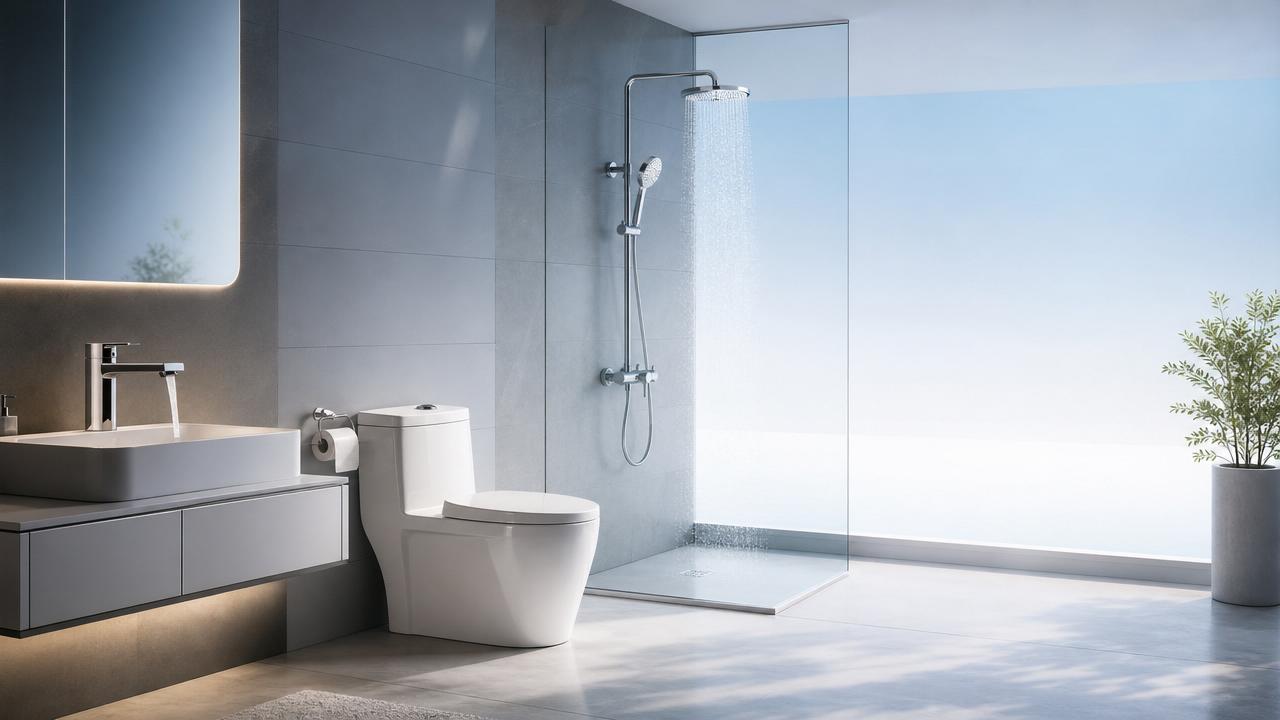
With rising utility costs and stronger sustainability targets, many property owners are rethinking bathroom performance. The question is practical: are water-saving bathroom technologies worth the upgrade when purchase, installation, maintenance, and daily comfort all matter?
In most cases, the answer is yes, but only when the upgrade matches actual usage patterns, local water prices, plumbing conditions, and product quality. A low-flow fixture that underperforms can feel like a downgrade. A well-selected system can cut water use, reduce hot-water energy demand, and improve long-term asset value.
For the wider building and interiors sector, water-saving bathroom technologies also connect with green building standards, material innovation, and smarter space planning. That makes the decision more than a household purchase. It becomes part of resilient, efficient spatial design.
Why a checklist matters before upgrading
Not every product labeled “efficient” delivers meaningful savings. Flow rate, pressure balance, user behavior, and installation quality shape results. A checklist helps separate real performance from marketing claims.
It also prevents common mistakes, such as replacing fixtures without checking pipe pressure, drainage compatibility, or maintenance needs. Water-saving bathroom technologies work best as a coordinated system, not as isolated purchases.
Core checklist for evaluating water-saving bathroom technologies
- Measure current water use first. Review utility bills, fixture flow rates, and hot-water consumption before comparing projected savings from any upgrade.
- Check local water pressure. Low-flow showerheads and faucets perform differently under weak supply, older piping, or unstable pressure conditions.
- Prioritize high-impact fixtures. Toilets, showers, and faucets usually offer the fastest return because they account for most bathroom water use.
- Verify certification labels. Look for WaterSense, regional efficiency standards, and tested flush or flow data instead of relying on brand promises.
- Compare total lifecycle cost. Include purchase price, installation labor, replacement parts, energy savings, and expected service life.
- Test user comfort expectations. Spray pattern, rinse performance, fill speed, and flushing reliability matter as much as reduced consumption.
- Inspect plumbing compatibility. Dual-flush toilets, sensor taps, and smart toilets may require electrical access or specific drainage layouts.
- Assess maintenance intensity. Aerators, cartridges, sensors, and filters can save water, but they also need periodic cleaning or replacement.
- Estimate hot-water reduction. Efficient showers and faucets often cut both water and energy, improving payback beyond the water bill alone.
- Plan upgrades by usage frequency. Install premium water-saving bathroom technologies first in bathrooms used daily rather than occasional guest spaces.
Which technologies usually deliver the best value?
Low-flow faucets and aerators
These are often the easiest entry point. They are affordable, quick to install, and effective in reducing unnecessary flow during handwashing and grooming. In many cases, faucet aerators offer the shortest payback period.
Their main limitation is scale buildup and inconsistent performance in hard-water regions. Still, among water-saving bathroom technologies, they remain one of the least risky upgrades.
Efficient showerheads and thermostatic controls
Showers consume large volumes quickly, especially when hot water is involved. A high-quality low-flow showerhead can reduce both water and energy demand without making the shower feel weak.
Thermostatic controls add another benefit. They shorten the time spent adjusting temperature, reducing wasted water before the shower even begins.
Dual-flush and high-efficiency toilets
Toilets often produce substantial savings over time, especially in older buildings using outdated high-volume models. Modern dual-flush units give better control over light and full flush events.
However, not all flush systems perform equally. Poor bowl design can increase repeat flushing, which cancels the intended benefit. Verified test data matters here.
Smart toilets and touchless fixtures
Advanced water-saving bathroom technologies can optimize flush volume, hygiene, and user convenience. Touchless faucets reduce accidental overuse, while some smart toilets manage water more precisely.
The trade-off is a higher upfront cost and more complex servicing. These options make the most sense where hygiene standards, premium interiors, or high-traffic use justify the expense.
Scenario-based guidance
Older homes and renovation projects
Older plumbing may limit the benefit of some water-saving bathroom technologies. Corroded pipes, inconsistent pressure, or dated drainage can undermine fixture performance.
In these cases, start with an inspection. It may be smarter to combine fixture replacement with valve updates, leak repair, and pipe improvements for better overall efficiency.
New-build residential spaces
New construction offers the best environment for integrated planning. Bathroom layout, pipe routing, pressure balancing, and smart controls can be aligned from the start.
That makes water-saving bathroom technologies more effective and easier to maintain. It also supports green building positioning and future compliance with tighter water standards.
Hotels, offices, and public-facing interiors
Commercial spaces have different economics. Even small savings per use add up quickly with high occupancy and constant daily traffic.
Touchless faucets, timed flow controls, and durable high-efficiency toilets usually deliver strong returns here. Durability and maintenance access should rank above decorative trends.
Commonly overlooked risks
Ignoring actual user behavior
Long showers, repeated flushing, or sensor misuse can reduce savings. Technology helps, but behavior still determines much of the final result.
Buying only on flow-rate numbers
A lower number is not automatically better. Poor spray geometry or weak flush mechanics may create dissatisfaction and extra water use.
Forgetting maintenance in hard-water regions
Mineral deposits can clog aerators, damage cartridges, and affect sensors. Without regular upkeep, water-saving bathroom technologies may lose efficiency faster than expected.
Overlooking energy links
Bathroom efficiency is not only about water. Lower hot-water demand also reduces heating energy, which can materially improve return on investment.
Practical execution steps
- Start with a simple audit of toilets, faucets, showers, leaks, and utility trends over the last twelve months.
- Replace the oldest, highest-consumption fixture first rather than spreading budget across too many minor upgrades.
- Choose proven water-saving bathroom technologies with accessible spare parts and documented performance testing.
- Use qualified installers for dual-flush systems, pressure-balancing valves, and sensor-based fixtures to avoid underperformance.
- Review savings after installation by comparing seasonal bills and maintenance records, then scale the upgrade plan.
Conclusion: are water-saving bathroom technologies worth it?
Yes, water-saving bathroom technologies are usually worth the upgrade when selected through a performance-based checklist. The best results come from matching fixture type, building condition, and user expectations.
For many spaces, the smartest path is phased adoption. Begin with efficient showerheads, faucet aerators, and high-efficiency toilets. Then evaluate advanced controls or smart systems where usage volume supports the investment.
The next step is simple: audit current water use, identify the biggest source of waste, and compare certified options on lifecycle value, not sticker price alone. That approach turns water-saving bathroom technologies into a practical upgrade rather than a speculative expense.
Industry Briefing
Get the top 5 industry headlines delivered to your inbox every morning.