
CPSC Launches Safety Probe on Smart Toilet Seat Temperature Shifts
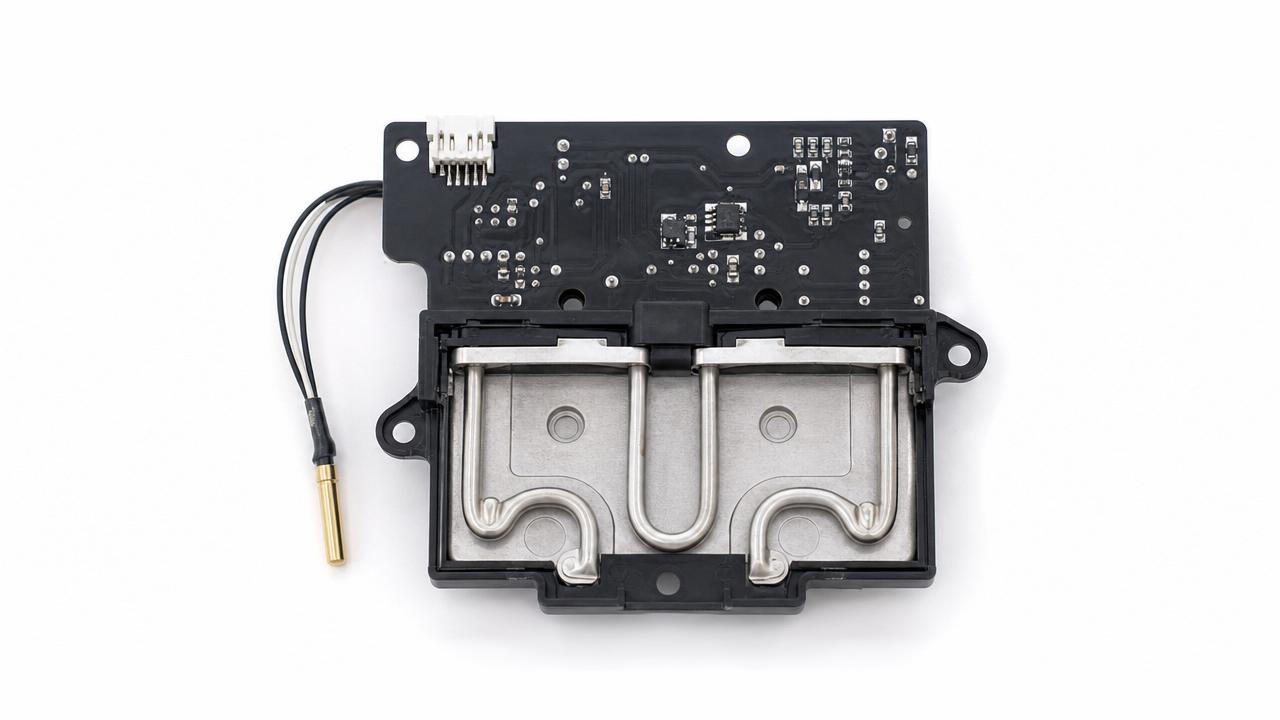
The U.S. Consumer Product Safety Commission (CPSC) initiated a targeted safety investigation on May 8, 2026, into thermal control modules of smart toilet seats following 172 reported incidents of skin burns caused by sudden seat temperature drops after heating. This development warrants close attention from manufacturers, exporters, and supply chain service providers in the smart bathroom appliance sector — particularly those engaged in U.S.-bound trade of intelligent sanitation products.
Event Overview
On May 8, 2026, the CPSC issued Safety Alert No. 26-11, launching a formal safety investigation into smart toilet seats’ temperature regulation systems. The action follows 172 documented consumer complaints received over the prior three years regarding abrupt cooling of heated seats resulting in skin burns. The CPSC has named 23 Chinese-exporting brands and requires them to submit technical documentation—including design schematics, NTC sensor calibration records, and Failure Modes and Effects Analysis (FMEA) reports—within 30 days. Failure to comply may trigger an import suspension order.
Industries Affected
Direct Exporters and Brand Holders
These entities face immediate regulatory exposure. As named parties in the alert, they are subject to CPSC’s data request deadline and potential enforcement actions. Impact includes operational disruption, increased compliance costs, and reputational risk tied to U.S. market access.
Contract Manufacturers and OEM/ODM Facilities
Firms producing smart toilet seats under private labels or white-label arrangements may be indirectly implicated if their designs or component sourcing contributed to the cited thermal instability. Their liability exposure depends on contractual responsibility for thermal control system validation and documentation retention practices.
Component Suppliers (e.g., NTC Sensors, PCB Assemblers, Heater Element Producers)
Suppliers of critical temperature-sensing or heating components may face downstream audit requests from their OEM clients. While not directly named, traceability requirements in FMEA and calibration records could necessitate enhanced documentation discipline and quality assurance protocols for export-bound lots.
Logistics and Customs Compliance Service Providers
Third-party compliance consultants, testing labs, and customs brokers supporting smart toilet seat shipments to the U.S. may see heightened demand for thermal safety documentation review, pre-shipment verification, and CPSC correspondence support — especially for clients navigating the 30-day submission window.
What Stakeholders Should Monitor and Do Now
Track Official CPSC Communications and Enforcement Signals
Stakeholders should monitor CPSC’s public docket updates, follow-up alerts, and any expansion of the investigation beyond the initial 23 brands. A shift from voluntary data requests to mandatory recalls or import bans would signal escalation — but as of May 8, 2026, only the initial alert and documentation requirement have been confirmed.
Review Thermal Control Documentation for U.S.-Bound Shipments
Exporters and manufacturers should immediately locate and validate existing records for NTC sensor calibration, thermal loop design schematics, and FMEA reports covering seat heating/cooling behavior. Gaps in documentation — especially those related to transient thermal response or fail-safe logic — represent the highest near-term compliance risk.
Distinguish Between Regulatory Signal and Enforceable Requirement
This alert constitutes a preliminary investigative step, not a finding of defect or violation. Analysis shows that CPSC often uses such alerts to gather baseline data before determining whether a standard revision, recall, or rulemaking is warranted. Companies should treat the 30-day deadline seriously, but avoid premature assumptions about broader market restrictions.
Prepare Cross-Functional Coordination for Documentation Submission
Preparing required materials demands coordination across R&D, quality assurance, and regulatory affairs teams. Current more appropriate preparation includes assembling technical files, verifying sensor traceability, and documenting thermal performance test conditions — rather than initiating product redesign or halting shipments absent further CPSC action.
Editorial Perspective / Industry Observation
Observably, this alert functions primarily as a regulatory signal — not yet an enforcement outcome. It reflects growing CPSC scrutiny of embedded thermal controls in personal hygiene devices, where user expectations of comfort intersect with low-tolerance safety thresholds. From an industry perspective, it signals a tightening of evidentiary expectations for functional safety in consumer electronics integrated into plumbing fixtures. Analysis shows that similar investigations in adjacent categories (e.g., heated car seat cushions, electric blankets) often precede updated ASTM or UL guidance — suggesting future standardization pressure is plausible, though not yet certain. The current focus remains narrowly on post-heating thermal stability, not general smart toilet functionality.
Conclusion: This CPSC action marks a procedural milestone in U.S. oversight of smart bathroom hardware, emphasizing documentation rigor over immediate product prohibition. It is better understood as a targeted compliance checkpoint than a broad market barrier — one that underscores the increasing importance of traceable, test-backed thermal safety engineering in export-oriented smart home device manufacturing.
Source: U.S. Consumer Product Safety Commission (CPSC), Safety Alert No. 26-11, issued May 8, 2026.
Note: Expansion of the investigation scope, issuance of enforcement orders, or publication of supporting technical findings remain pending and require ongoing monitoring.
Industry Briefing
Get the top 5 industry headlines delivered to your inbox every morning.