
EU Rule Takes Effect for Smart Toilets and Digital Locks
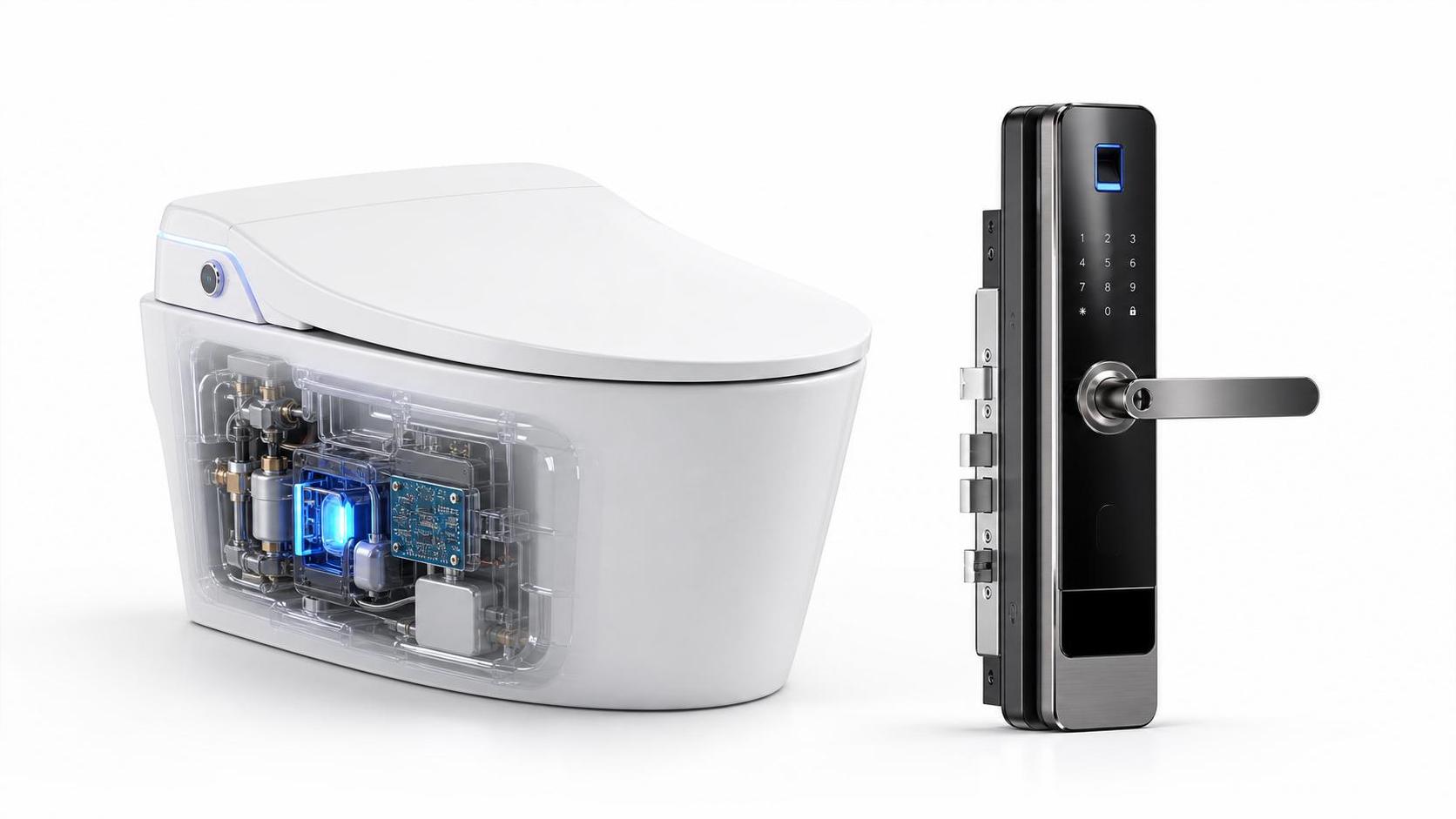
On July 20, 2026, the EU put into effect a revised Eco Design regulation, EU 2026/1189, that directly changes market access conditions for smart toilets and digital locks sold into the bloc. The rule requires these products to meet both an L3 energy-efficiency threshold for standby power and the EN 303 646-2:2026 cybersecurity protocol, making this more than a routine technical update. For exporters, certification teams, distributors, and customs-facing business functions, the change is worth close attention because it affects compliance pathways, CE mark update timing, and clearance efficiency.
What the new EU requirement now covers
According to the provided information, the revised Eco Design regulation officially took effect on July 20, 2026. It applies to smart toilets and digital locks entering the EU market.
The confirmed requirement is dual in nature. First, the products must achieve L3 energy efficiency, defined here as standby power consumption of no more than 0.5W. Second, they must comply with EN 303 646-2:2026 cybersecurity requirements.
The cybersecurity requirement specifically includes OTA firmware signature verification and a remote command whitelist mechanism. The provided information also states that the rule directly affects the compliance route for Chinese exporters, the update cycle for CE marking, and the customs clearance timeliness of distributors.
Where the operational pressure is likely to appear
Export-facing manufacturers will feel the compliance shift first
From an industry perspective, manufacturers shipping smart toilets and digital locks to the EU are likely to be affected because the rule ties product access to two separate but simultaneous conditions: energy performance and cybersecurity readiness. The immediate business impact is likely to show up in product validation, technical documentation, and export compliance workflows. What deserves closer attention is whether existing product versions and documentation sets are already aligned with both requirements at the same time, rather than only one of them.
Certification and CE mark management become more time-sensitive
Analysis shows that teams responsible for CE-related updates may face tighter coordination demands. The provided information confirms that the regulation affects CE mark update cycles, which means product documentation, technical claims, and certification timing may need to move in closer sync. For companies managing multiple SKUs or model revisions, the practical issue is less about headline policy language and more about whether the updated compliance package can be completed without delaying shipment readiness.
Distributors and customs-facing channels may see execution risk
Observably, distributors are not only passive recipients of manufacturer compliance work. Because the provided information notes an impact on customs clearance timeliness, channel operators and import-side partners may need to pay closer attention to document completeness and status consistency. The operational risk here is that a product may be commercially ready but still face friction if compliance evidence, CE-related updates, or supporting files are not aligned at the time of clearance.
What companies should track now
Check whether both thresholds are being treated as one entry condition
The most immediate practical point is that this is described as a dual-certification requirement. Companies involved in product planning, export approval, and customer delivery should therefore avoid treating the standby power threshold and the cybersecurity protocol as separate issues with separate commercial timelines. In practice, the market-access question is whether both conditions are met together for the relevant product.
Review product files tied to CE update timing
Because the provided information explicitly mentions the CE mark update cycle, companies should pay close attention to the readiness of the materials that support that cycle. This includes the internal handoff between product, compliance, and commercial teams. The key issue is not to assume that an existing CE-related process will automatically remain sufficient after the new rule takes effect.
Prepare for customs and distributor-side document scrutiny
What deserves closer attention is the execution layer after certification work is completed. Distributors, import partners, and shipment coordination teams may need clearer document control and earlier communication on product status, especially where clearance timeliness matters. For export businesses, a compliance task that is completed late can still become a delivery issue if downstream channel partners are not working from the same updated materials.
Separate confirmed rules from later interpretation
Analysis shows that companies should distinguish between what is already confirmed in the rule and what may still depend on later clarification in practice. The confirmed elements in the provided information are the effective date, the covered product categories, the L3 standby power threshold, and the cybersecurity requirements that include OTA firmware signature verification and remote command whitelisting. Any broader operational interpretation should continue to be checked against subsequent official wording and implementation practice.
Why this looks like more than a short-term paperwork change
Observably, this development is better understood as a compliance signal with operational consequences, rather than as a one-off administrative update. The notable point is that energy efficiency and cybersecurity are being presented together as linked conditions for EU market entry in these product categories. That combination matters because it changes how companies need to think about product readiness, documentation, and shipment timing.
At the same time, it would be premature to turn this into a broad market forecast based on the limited confirmed facts provided here. It is more appropriate to understand this as an active regulatory development that already creates immediate compliance obligations while still requiring continued observation around implementation details and business execution.
How this news is best understood now
At this stage, the clearest industry meaning is that EU access for smart toilets and digital locks is now more tightly tied to combined technical compliance in energy use and cybersecurity. For affected businesses, the issue is not only whether the regulation exists, but whether internal certification, CE update handling, and customs-facing coordination can keep pace with it.
It is more appropriate to understand this development as both an immediate operational change and a longer-term regulatory signal. The confirmed facts already matter for current export and distribution activity, while the broader commercial effect still needs to be assessed through ongoing implementation and verification.
Basis of this article and points for continued verification
This article is based on the user-provided news title, event date, and event summary. The analysis above relies only on the confirmed information provided: the July 20, 2026 effective date, the application of EU 2026/1189 to smart toilets and digital locks entering the EU market, the L3 standby power requirement of 0.5W or below, the EN 303 646-2:2026 cybersecurity protocol, and the stated impact on Chinese exporters' compliance pathways, CE mark update cycles, and distributor customs clearance timeliness.
For this type of industry update, source types usually relevant for continued checking include official regulatory notices, company compliance statements, industry association information, authoritative media coverage, and standard-setting organization documents. A specific official source link was not provided in the input, so further verification remains necessary. Areas that merit continued attention include any subsequent official wording, implementation guidance, and how the rule is reflected in practical certification and customs processes.
Industry Briefing
Get the top 5 industry headlines delivered to your inbox every morning.