
Energy Star Update Adds Cybersecurity Test for Smart Bath and Window Products
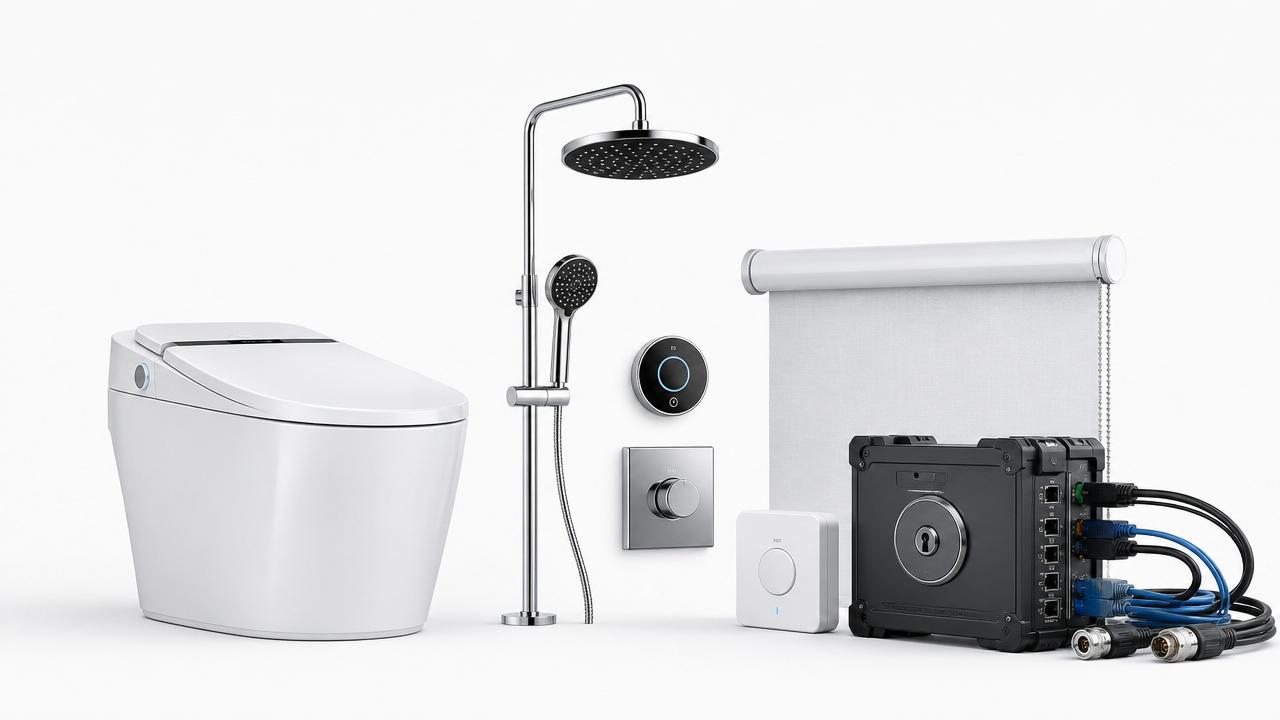
On June 12, 2026, the U.S. Environmental Protection Agency updated the Energy Star for Smart Building Products standard by adding an EN 303 645 cybersecurity baseline. The change puts smart toilets, smart shower systems, motorized window accessories, and integrated bathroom control systems under a new compliance threshold that now matters not only for product certification, but also for subsidy eligibility and access to the federal procurement whitelist. For manufacturers, suppliers, distributors, and institutional buyers, the immediate point of attention is that cybersecurity has been written directly into market access conditions for these connected product categories.
What the updated standard now requires
According to the provided event information, the EPA formally updated the Energy Star for Smart Building Products certification standard on June 12, 2026. The update adds an EN 303 645 cybersecurity baseline requirement. The scope identified in the event summary includes smart toilets, smart shower systems, motorized window accessories, and integrated bathroom control systems. Products that do not pass certification under the new standard will be removed from subsidy lists and will not be eligible for inclusion on the federal government procurement whitelist.
Where the pressure is likely to be felt first
Product makers facing a new gate in certification
From an industry perspective, manufacturers of the covered smart building and bathroom products are the first group likely to feel the impact. The reason is straightforward: the updated rule links cybersecurity testing to Energy Star eligibility. In business terms, that can affect certification planning, product release timing, model continuity, and the commercial status of products already positioned around energy-efficiency claims.
Channel and distribution teams watching listing status
Distributors and channel operators may also need to pay closer attention because the event summary directly ties non-compliance to removal from subsidy lists. Analysis shows that any change in listing status can quickly become a sales and communication issue for teams that rely on certification-backed positioning, especially where buyers treat subsidy eligibility or public-list inclusion as part of product screening.
Public-sector and project buyers reassessing approved options
Procurement-side stakeholders are another group likely to be affected. The confirmed information states that products failing the new standard cannot enter the federal procurement whitelist. Observably, this makes compliance status more than a technical issue; it becomes a purchasing filter for buyers working within whitelist-based selection processes.
Supply-chain service providers needing clearer documentation
Service providers involved in compliance support, documentation, or delivery coordination may also need to track the change closely. Analysis shows that once certification criteria expand, supporting materials, supplier declarations, and model-level verification records often become more important in transactions and project handovers, even when the event summary itself does not provide further procedural detail.
What companies should focus on now
Check whether current product lines fall within scope
The first practical issue is product mapping. Companies connected to smart toilets, smart shower systems, motorized window accessories, or integrated bathroom control systems should verify which models are covered by the updated Energy Star standard and whether any active or upcoming products depend on certification for subsidy access or government-facing sales opportunities.
Separate confirmed rules from implementation assumptions
What deserves closer attention is the difference between the confirmed policy change and any broader assumption about market outcomes. The confirmed fact is that EN 303 645 has been added as a cybersecurity baseline within the updated certification standard, and that non-compliant products face subsidy-list removal and exclusion from the federal procurement whitelist. Companies should avoid extending that into unsupported conclusions and instead align internal decisions with the text that has been confirmed.
Prepare customer and supplier communication around compliance status
For sales, sourcing, and account teams, communication readiness matters. Analysis shows that questions are likely to center on whether a given product remains eligible for subsidy-related positioning and whether it can still be used in procurement settings tied to whitelist requirements. That makes model-level compliance status, supporting documents, and timing expectations important discussion points with both suppliers and buyers.
Monitor whether official wording or supporting guidance develops further
The current update is already consequential, but companies should continue to watch for any further official clarification connected to testing, certification interpretation, or implementation details. Observably, the business impact will depend not only on the standard update itself, but also on how affected parties translate that requirement into product qualification, bid participation, and channel management.
Why this looks like more than a short-lived compliance notice
Analysis shows that this development is best read as a policy signal with immediate commercial consequences, rather than as a routine technical revision. The confirmed consequence is already clear: products that do not meet the new certification requirement risk losing subsidy-list status and access to the federal procurement whitelist. At the same time, it is still more appropriate to understand the broader market effect as something that requires continued observation, because the provided information does not establish how quickly each segment will adjust or how market participants will respond in practice.
How to read this update at this stage
At this stage, the update points to a clearer convergence between energy-efficiency certification and cybersecurity expectations in connected building-related products. The immediate significance lies in compliance-linked market access for the named categories, not in any guaranteed reshaping of the entire sector. A neutral reading is that the rule change is already material for affected products, while its wider commercial and supply-chain implications should be tracked through subsequent certification activity, buyer requirements, and official follow-up guidance.
Basis of this article and points for continued verification
This article is based on the user-provided news title, event date, and event summary. For developments of this kind, commonly relevant source types may include official notices, company statements, industry association updates, authoritative media coverage, and standards-related documents. A specific official source link was not provided in the input, so the exact underlying documentation should continue to be verified. Follow-up attention should focus on any subsequent official wording, implementation guidance, and confirmation of how the updated certification requirement is applied across the covered product categories.
Industry Briefing
Get the top 5 industry headlines delivered to your inbox every morning.