
Red Sea Crisis Escalates: Smart Bathroom Container Slot Premium Surpasses 48%
Lead
The Red Sea shipping crisis has intensified, with immediate implications for global smart bathroom product exporters and importers. According to the latest weekly reports from Shanghai Shipping Exchange and Drewry dated May 12, 2026, sustained rerouting around the Cape of Good Hope—compounded by tightened Suez Canal transit quotas—has driven spot rates on the Asia–Europe container lane to $4,280 per TEU, a 12.3% week-on-week increase. The slot premium for smart bathroom containers (40HQ) has exceeded 48.6%, triggering widespread booking delays and selective service suspensions across European freight forwarders.
Event Overview
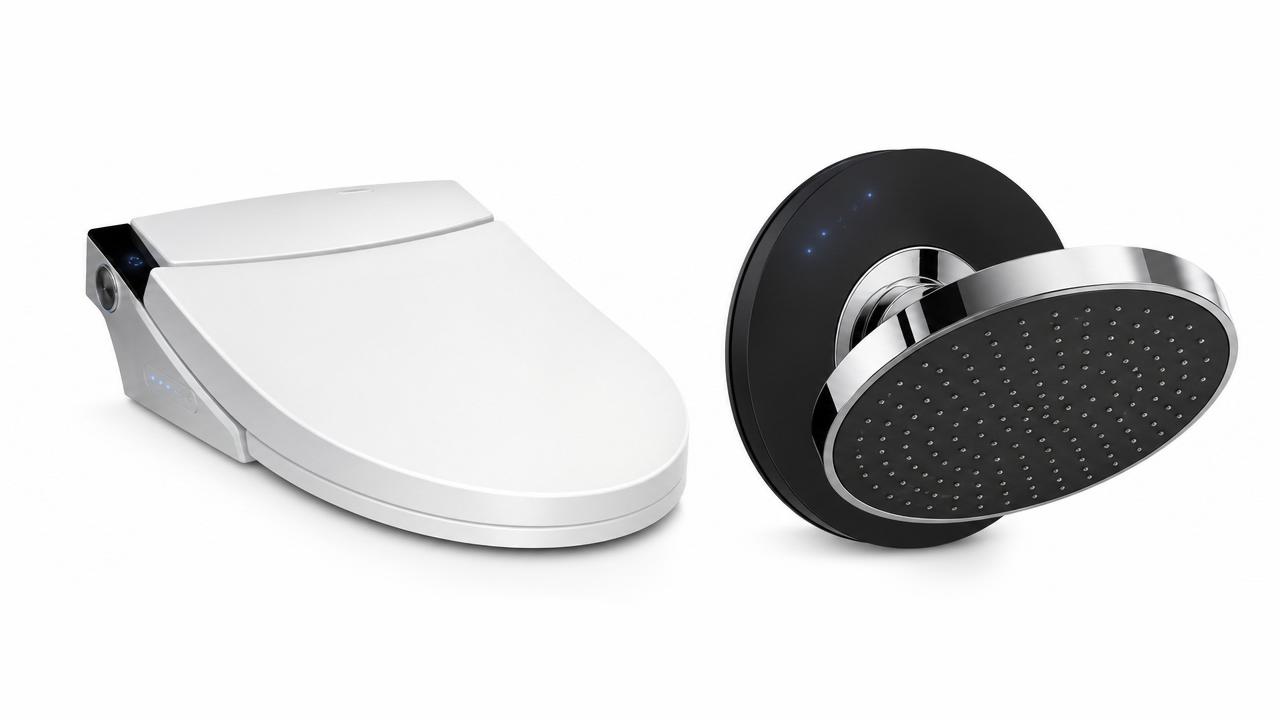
As reported by Shanghai Shipping Exchange and Drewry (May 12, 2026), the Asia–Europe 40HQ container spot rate stood at $4,280/TEU, up 12.3% from the prior week. The slot premium for smart bathroom cargo—defined as Smart Toilets, Faucets & Showers, and Smart Cabinets—reached 48.6%. Due to large physical footprint, high per-container value, and low booking priority under carrier allocation systems, this category now faces average slot wait times of 7–10 days. Several European freight forwarders have temporarily halted new bookings for such cargo.
Impact Across Industry Segments
Direct Trading Enterprises
Exporters and importers engaged in cross-border trade of smart bathroom products face direct cost inflation and delivery uncertainty. Because these goods are often shipped in full-container loads (FCL) and lack the volume leverage of mass-consumption categories, they receive lower allocation priority during capacity crunches. As a result, shipment delays translate directly into missed retail season windows (e.g., Q3 European bathroom renovation cycles) and increased demurrage/detention exposure.
Raw Material Procurement Enterprises
Firms sourcing components—including smart actuators, IoT modules, ceramic substrates, or stainless-steel fittings—from Asia for final assembly in Europe are experiencing indirect pressure. While not shipping finished goods themselves, their procurement timelines are now constrained by upstream container availability: delayed inbound component shipments risk production line stoppages. Notably, just-in-time procurement models are especially vulnerable, as buffer inventory is typically minimal for high-value, low-turnover components.
Manufacturing Enterprises
Contract manufacturers and OEMs producing smart bathroom units for European brands report rising landed cost volatility. Freight cost pass-through mechanisms are lagging: many supply agreements fix logistics costs quarterly or semi-annually, meaning current spikes are absorbed internally until renegotiation. Additionally, extended lead times complicate production planning—especially for time-bound certifications (e.g., CE marking renewal cycles tied to shipment dates).
Supply Chain Service Providers
Cargo agents, customs brokers, and inland haulage operators serving the smart bathroom vertical are encountering operational friction. Booking confirmation windows have shortened dramatically; some carriers now require firm booking slots 14+ days pre-ETD, versus the prior 5–7-day norm. This compresses coordination time for documentation, labeling (e.g., EU energy label compliance), and multimodal handoffs—raising error rates and rework costs.
Key Considerations and Response Measures
Reassess Booking Prioritization and Allocation Strategy
Smart bathroom shippers should proactively engage carriers and NVOCCs to clarify slot reservation criteria—not just volume but also cargo classification, documentation readiness, and historical on-time performance. Early submission of verified commercial invoices and EU conformity declarations may improve priority scoring in automated allocation systems.
Explore Alternative Routing and Consolidation Options
While trans-Suez remains constrained, some carriers offer partial relief via Mediterranean feeder networks (e.g., Piraeus or Valencia hubs). For non-urgent shipments, exploring LCL consolidation—despite higher handling complexity—may yield earlier space access than waiting for dedicated FCL slots, particularly for smaller-volume SKUs like smart shower controllers.
Adjust Inventory Planning and Contract Terms
Importers should revise safety stock thresholds for key SKUs, factoring in median 9-day delay plus variance. Concurrently, procurement teams are advised to introduce freight cost escalation clauses in new supplier contracts—indexed to published Shanghai Containerized Freight Index (SCFI) sub-indices for Asia–Europe, rather than fixed-dollar allowances.
Editorial Perspective / Industry Observation
Observably, the current premium reflects structural fragility—not temporary congestion. Unlike past Red Sea disruptions, this episode features institutionalized rerouting (i.e., no expectation of near-term Suez normalization) and quota-based gatekeeping. Analysis shows that smart bathroom cargo is disproportionately affected not because of geopolitical exposure per se, but due to its position at the intersection of high value density, low shipment frequency, and complex regulatory packaging—making it operationally ‘low-yield’ for carriers optimizing slot utilization. From an industry perspective, this signals a broader shift: ocean carriers are increasingly treating niche high-value segments as secondary revenue streams, reserving primary capacity for high-volume, low-compliance, and easily stackable commodities.
Conclusion
This escalation underscores that maritime infrastructure stress is no longer a macroeconomic footnote—it is a direct input into product competitiveness, pricing strategy, and market access for differentiated hardware categories. Rather than viewing elevated freight costs as a transient headwind, smart bathroom stakeholders would benefit from treating port-to-port reliability as a core design constraint—akin to power efficiency or cybersecurity—embedded early in go-to-market planning.
Source Attribution
Data sourced from Shanghai Shipping Exchange Weekly Report and Drewry World Container Index (WCI), both published May 12, 2026. Key metrics include: Asia–Europe 40HQ spot rate ($4,280/TEU), week-on-week change (+12.3%), and smart bathroom slot premium (48.6%). Continued monitoring is warranted for Suez Canal Authority’s next quota announcement (expected June 2026) and potential EU regulatory updates on digital product passports for smart home devices—both may further reshape cost allocation logic for connected bathroom hardware.
Industry Briefing
Get the top 5 industry headlines delivered to your inbox every morning.