
UK-China Export Control Working Group Holds Second Meeting in London
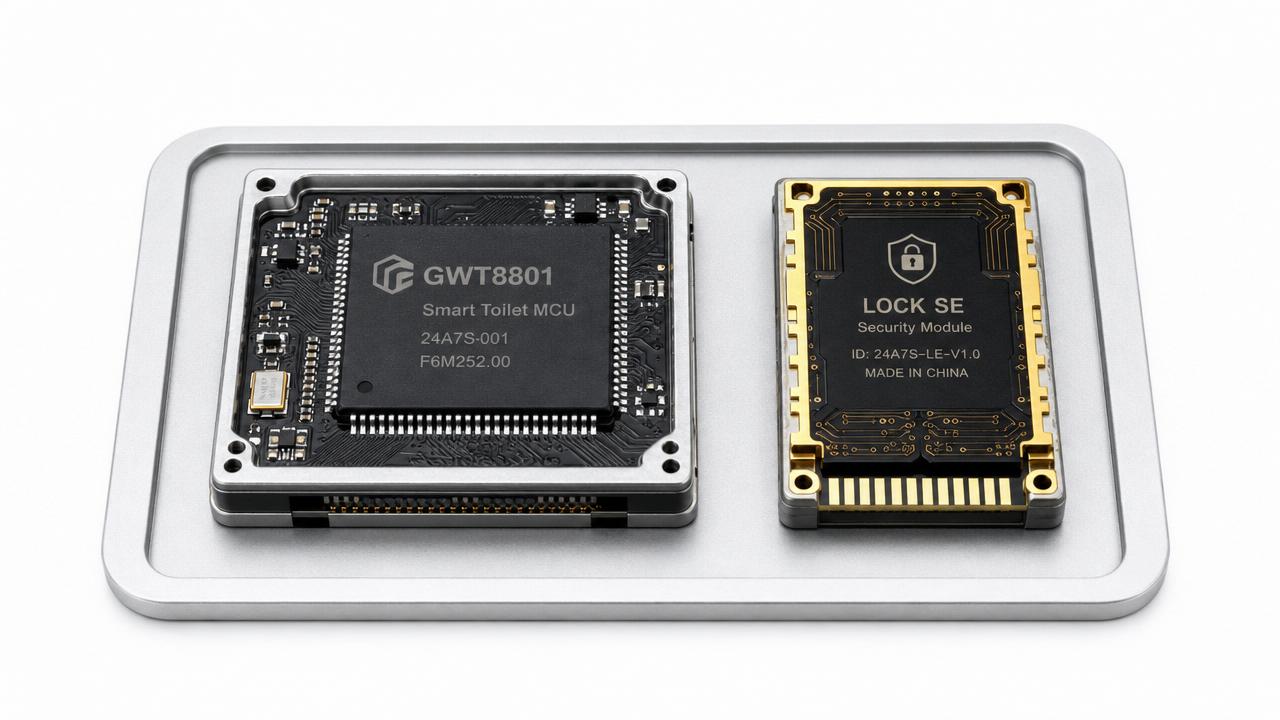
On May 18, 2026, the UK-China Export Control Working Group convened its second meeting in London, focusing on export licensing procedures, technical parameter reporting standards, and supply chain risk assessment frameworks for AI infrastructure components—including main control chips for smart toilets and encryption modules for digital door locks. This development is particularly relevant to enterprises in smart sanitation, building security hardware, and cross-border semiconductor trade, as it signals a move toward greater regulatory alignment and operational predictability in these high-precision, dual-use technology segments.
Event Overview
On May 18, 2026, the UK-China Export Control Working Group held its second meeting in London. According to publicly confirmed information, the two sides reached preliminary consensus on export licensing processes, technical parameter declaration standards, and a shared supply chain risk assessment framework for key AI infrastructure components—specifically naming smart toilet main control chips and digital door lock encryption modules. No further implementation details, timelines, or binding commitments were announced.
Industries Affected by Segment
Direct Export/Import Trading Firms
These firms handle cross-border shipments of smart sanitation and security hardware containing controlled components. They are affected because the new framework may alter license application requirements, documentation depth, and approval lead times for products incorporating AI-enabled chips or cryptographic modules.
Component Procurement & Sourcing Teams
Procurement entities sourcing chips, encryption ICs, or integrated modules from either UK or Chinese suppliers face potential shifts in compliance obligations. The agreed technical parameter reporting standard implies stricter pre-shipment verification of specifications—especially for items with AI inference capability or embedded cryptography.
Smart Sanitation & Building Security OEMs
Manufacturers of smart toilets, digital door locks, and related systems may need to adjust product documentation, bill-of-materials (BOM) disclosures, and internal classification protocols to meet harmonized export control criteria—particularly where firmware, chip architecture, or data processing features fall under dual-use definitions.
Supply Chain Compliance & Logistics Providers
Third-party logistics providers, customs brokers, and compliance consultants supporting UK-China trade in high-tech building products may see increased demand for technical classification support and documentation audits, especially for shipments involving programmable logic controllers or encrypted communication stacks.
What Relevant Enterprises or Practitioners Should Monitor and Do Now
Track official guidance updates from both governments
The current outcome is a preliminary consensus—not an implemented regulation. Companies should monitor formal notices from the UK’s Export Control Joint Unit (ECJU) and China’s Ministry of Commerce (MOFCOM), especially any published lists of covered parameters, licensing thresholds, or updated commodity classification codes.
Identify and document technical attributes of affected components
For smart toilet controllers and digital door lock modules, firms should proactively map technical specs—including processing capability, memory configuration, cryptographic functionality, and AI inference support—to assess whether they fall within anticipated control scopes. Internal classification reviews should begin before final rules are issued.
Distinguish between policy signaling and operational impact
This meeting reflects coordination intent, not immediate enforcement. Current export license applications remain subject to existing national regimes. Businesses should avoid premature process overhauls but prepare internal checklists aligned with the stated focus areas: AI chip functionality and encryption module deployment context.
Review and update supplier communications and contractual clauses
OEMs and integrators should revisit procurement agreements with chip/module suppliers to clarify responsibility for technical parameter disclosure, classification evidence, and liability for misdeclaration—particularly where components serve both consumer and critical-infrastructure applications.
Editorial Observation / Industry Perspective
Observably, this meeting functions primarily as a diplomatic and technical alignment signal—not yet a regulatory milestone. Analysis shows that the selection of smart toilet chips and digital door lock modules as focal points suggests regulators are extending export control scrutiny beyond traditional AI accelerators (e.g., datacenter GPUs) into embedded, edge-deployed AI systems with physical-world interfaces. From an industry perspective, this reflects growing attention to ‘AI-in-the-built-environment’ as a dual-use domain. It is more accurately understood as an early-stage coordination effort than a near-term compliance trigger—but one warranting sustained attention due to its precedent-setting scope.
Concluding, this initiative underscores a broader trend: export controls are evolving to cover intelligent, connected infrastructure components—not only high-performance computing hardware. For stakeholders, it is best understood not as an imminent operational change, but as a marker of regulatory trajectory—one that highlights the increasing convergence of AI functionality, cryptography, and physical product safety in global trade governance.
Source: Official statements released following the UK-China Export Control Working Group meeting on May 18, 2026. Note: Implementation timelines, detailed technical annexes, and enforcement mechanisms remain pending and require ongoing observation.
Industry Briefing
Get the top 5 industry headlines delivered to your inbox every morning.