
Vietnam Enforces Dual Certification Rule for Smart Toilets
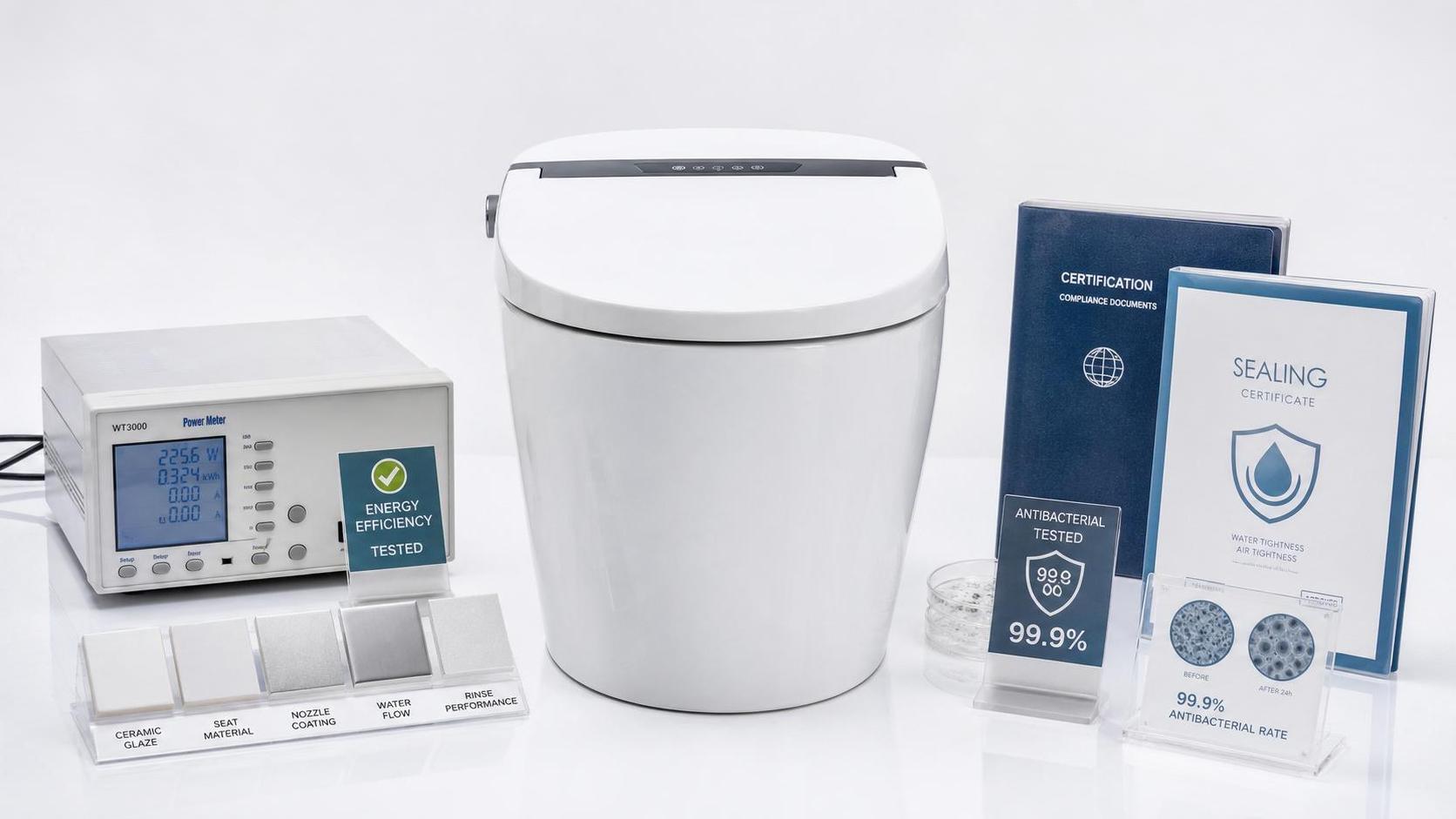
On July 6, 2026, Vietnam’s Directorate for Standards, Metrology and Quality (STAMEQ) put QCVN 16:2026, the technical regulation for smart sanitary equipment, into full effect. For imported Smart Toilets, the rule now requires both an energy efficiency grade of at least Level 2 under TCVN 8928:2026 and an antibacterial rate of at least 99.9% under ISO 22196:2026. Because the measure took effect immediately with no transition period, it deserves close attention from importers, manufacturers, distributors, procurement teams, and supply chain operators facing rising delivery disruption risk in the Vietnam market.
What the regulation now requires
According to the information provided, STAMEQ announced on July 6, 2026 that QCVN 16:2026 for smart sanitary equipment has been fully implemented. The requirement applies to all imported Smart Toilets. To enter the market, products must simultaneously meet two conditions: an energy efficiency grade of no less than Level 2, based on TCVN 8928:2026, and an antibacterial rate of no less than 99.9%, tested under ISO 22196:2026.
The rule took effect on the same day it was announced, with no transition period. The information provided also states that distributors in Vietnam have already suspended warehouse intake for non-certified models, and that the risk of delayed order fulfillment is increasing.
Where the immediate pressure is likely to appear
Import and trading activity faces an instant compliance threshold
From an industry perspective, importers and trading companies are likely to feel the impact first because the requirement is tied directly to market entry for imported Smart Toilets. The practical pressure point is whether each model can demonstrate compliance with both the energy and antibacterial thresholds at the same time. What deserves closer attention is the status of product documentation, model-by-model certification readiness, and whether current shipments match the compliance condition now being enforced.
Manufacturers may see disruption at the model qualification stage
Analysis shows that manufacturers supplying the Vietnam market may be affected through product qualification, test preparation, and shipment scheduling. Even where a model is already commercially active, the lack of recognized compliance materials for either requirement could slow deliveries. The issue is not only product design, but also whether the product can be presented to the market as meeting both standards under the new rule now in force.
Distributors and channel operators are exposed through inventory intake and order timing
Based on the confirmed information, distributors in Vietnam have paused intake of non-certified models. That means channel businesses may face immediate decisions around inbound stock, pending purchase orders, and customer delivery expectations. The main business effect is likely to appear in warehousing, SKU screening, and sell-through planning for products that cannot currently clear the new compliance gate.
Procurement and supply chain service providers need to watch delivery risk
Observably, procurement teams and supply chain service providers may be affected through lead-time changes and execution uncertainty. Since the regulation is already effective and there is no transition period, even routine order flows can be disrupted if certification status is incomplete or unclear. What deserves closer attention is whether contracts, shipping plans, and customer commitments assume uninterrupted delivery of models that may no longer be accepted into distributor inventory.
What companies should review now
Check whether each imported model clears both conditions
The immediate practical issue is dual compliance, not partial compliance. Companies dealing in Smart Toilets for Vietnam should focus on whether each imported model can demonstrate both the required energy efficiency grade and the required antibacterial result. A model meeting only one of the two conditions does not address the regulatory requirement described in the provided information.
Separate regulatory wording from shipment readiness
Analysis shows that the formal rule and operational readiness are not the same thing. Even after the regulation is announced and effective, businesses still need to confirm whether their documents, test records, and model listings are sufficient for commercial movement. This distinction matters because warehouse intake has reportedly been paused for non-certified models, turning compliance uncertainty into a direct delivery issue.
Reassess orders, lead times, and customer communication
What deserves closer attention is the exposure of current and near-term orders. Businesses should review which transactions depend on models that may not yet be recognized as compliant, and which delivery commitments could be delayed as a result. For companies working with distributors or procurement buyers in Vietnam, communication around model status, shipment timing, and substitution risk becomes a near-term operational priority.
Keep watching for further official clarification
Observably, the regulation is already in force, but market participants still need to monitor whether additional official clarification, implementation detail, or procedural guidance emerges. The current information confirms the mandatory thresholds and immediate enforcement, yet businesses should continue tracking whether any follow-on interpretation affects documentation, screening, or acceptance practices in the market.
How this development is best understood
Analysis shows that this is more than a routine standards update because it combines two mandatory product conditions and applies them immediately without a transition period. At the same time, it would be premature to treat it as a complete long-term market outcome based only on the information currently available. It is more appropriate to understand this as an immediate compliance event with direct short-term operational consequences, while also serving as a policy signal that product access in this category is being tied more tightly to documented performance requirements.
From an industry perspective, the most important point is not abstract policy direction but execution risk. The confirmed pause in warehouse intake for non-certified models means the effect has already moved into channel operations and fulfillment timing. That is why the development warrants continued attention beyond the announcement itself.
Why the market should keep this on watch
For now, this development is best read as an active market-entry constraint for imported Smart Toilets in Vietnam rather than a distant regulatory signal. The immediate absence of a transition period raises the importance of certification readiness, distributor acceptance, and delivery planning. A balanced conclusion is that the rule has already created practical short-term pressure, while its broader commercial implications still require continued observation as implementation unfolds.
Basis of this article
This article is based on the user-provided news title, event date, and event summary concerning the July 6, 2026 implementation of QCVN 16:2026 in Vietnam. For this type of industry update, relevant source categories typically include official regulatory announcements, company notices, industry association updates, authoritative media reporting, and standard-setting documents. A specific official source link was not provided in the input, so further verification remains necessary. Continued monitoring should focus on any additional official clarification, implementation detail, and market-side handling of certified versus non-certified Smart Toilet models.
Industry Briefing
Get the top 5 industry headlines delivered to your inbox every morning.