
Anti-Bacterial Materials for Hospitals: How to Compare Surfaces by Hygiene, Durability, and Upkeep
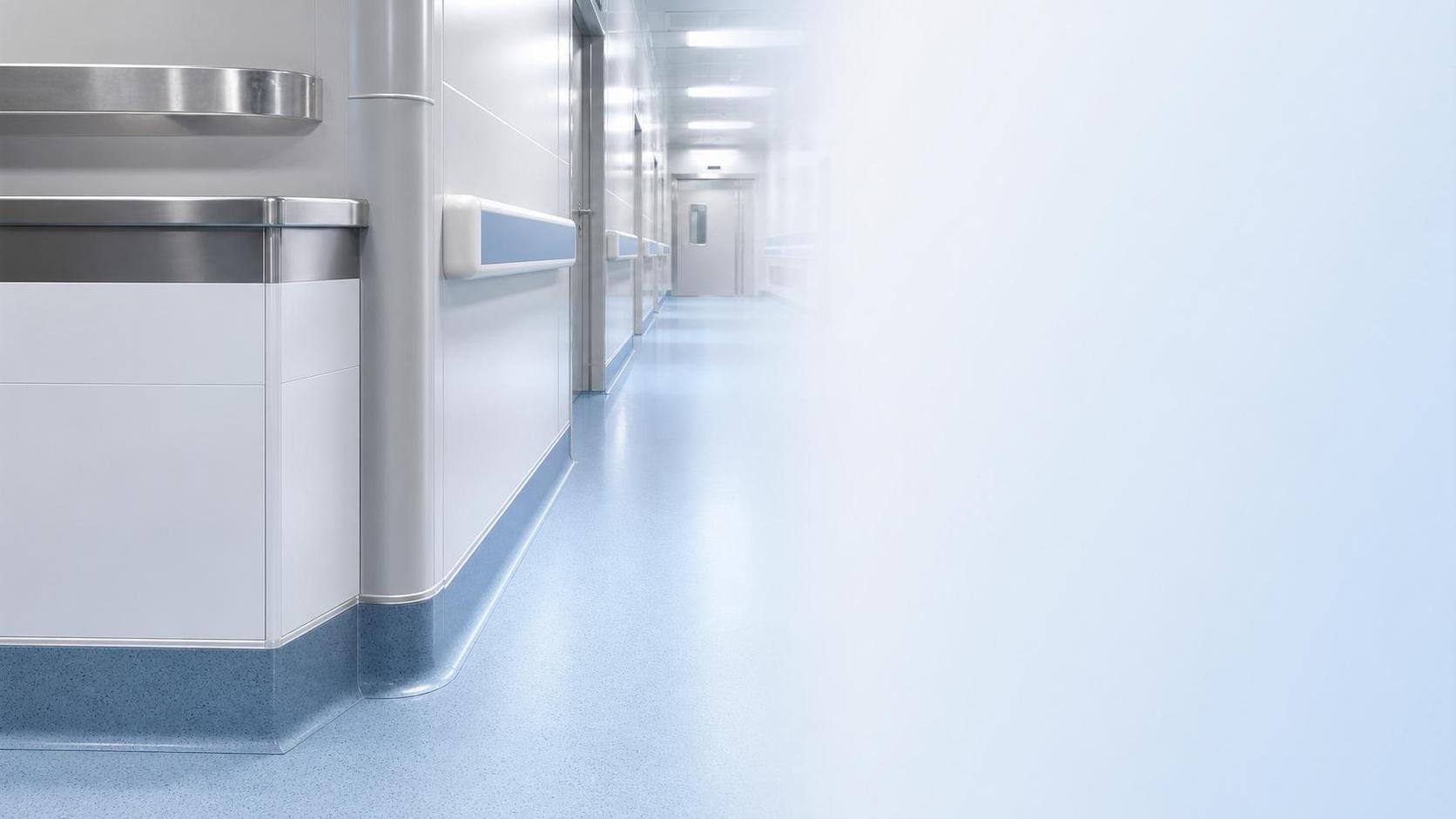
Choosing anti-bacterial materials for hospitals has moved far beyond aesthetics or basic specification writing. Surface selection now sits at the intersection of infection control, cleaning protocol design, asset lifespan, and operating cost.
That shift matters because hospital environments place unusual pressure on every finish. A wall panel, worktop, handrail, or floor surface must resist microbes, survive constant contact, and remain practical to clean without losing performance.
Across the broader building materials sector, this is also part of a larger transition. GIAM tracks how sanitary materials, regulatory pressure, and lifecycle thinking are reshaping decisions in healthcare interiors and commercial space planning.
What anti-bacterial surfaces really mean in hospital settings
The phrase often sounds straightforward, but anti-bacterial materials for hospitals are not all doing the same job. Some surfaces contain active agents designed to inhibit bacterial growth. Others rely on non-porous structure, sealed joints, or chemical resistance to support hygienic cleaning.
In practice, a hygienic material should be judged by the whole system around it. That includes substrate stability, joint detailing, installation quality, cleaning compatibility, and how the surface ages under real use.
A material with strong laboratory claims can still underperform if seams trap moisture, coatings scratch easily, or maintenance teams must use harsh chemicals that shorten service life.
Why the market is paying closer attention
Healthcare projects are under pressure to reduce contamination pathways while controlling long-term budgets. That has pushed anti-bacterial materials for hospitals into earlier design and procurement discussions.
At the same time, global standards around sanitation, sustainability, and material transparency continue to evolve. GIAM’s intelligence work shows that surface choices are increasingly linked to wider concerns such as energy-efficient refurbishment, retrofit cycles, and resilient public infrastructure.
More importantly, hospital operators now expect measurable performance. Marketing language alone is no longer enough. Decision-making increasingly depends on test methods, cleaning validation, warranty terms, and evidence from high-traffic installations.
The three comparison lenses that matter most
When comparing anti-bacterial materials for hospitals, three lenses create a more realistic picture: hygiene, durability, and upkeep. Looking at only one of them usually leads to avoidable trade-offs later.
Hygiene performance
This covers how well a surface supports infection prevention in day-to-day conditions. The key issue is not only whether bacteria are reduced in testing, but whether the material stays easy to disinfect after years of cleaning and impact.
- Check whether the surface is non-porous and resistant to staining.
- Review joint design, edge sealing, and repairability.
- Confirm compatibility with hospital disinfectants and cleaning frequency.
- Ask whether claims refer to the full product or only a coating layer.
Durability under heavy use
Hospital surfaces face carts, beds, wheelchairs, trolleys, repeated touch, and cleaning equipment. Durability is not a secondary benefit. It directly affects hygiene because worn, cracked, or chipped surfaces become harder to sanitize.
- Look at impact resistance and scratch resistance together.
- Consider heat, moisture, and chemical exposure.
- Check color stability and surface integrity after repeated cleaning cycles.
- Pay attention to expected service life in high-contact zones.
Upkeep and lifecycle practicality
A material may perform well initially but become costly if it demands specialized cleaning agents, frequent refinishing, or difficult spot repairs. Upkeep should be evaluated as an operational issue, not a housekeeping detail.
The best anti-bacterial materials for hospitals usually make maintenance predictable. They support routine cleaning, recover well from wear, and avoid hidden downtime caused by replacement or complicated repair.
How common hospital surfaces compare
Different materials solve different problems. No single option is ideal for every hospital area, which is why comparison should be tied to exposure level and operational use.
The table shows why anti-bacterial materials for hospitals should be assessed as installed assemblies, not just product samples. Seams, corners, fixing methods, and traffic patterns often determine the real outcome.
Where priorities change by hospital zone
Surface priorities are not identical across a facility. An operating theatre, patient bathroom, corridor, and nurse station create different risk profiles and wear patterns.
High-risk clinical zones
In theatres, treatment rooms, and isolation areas, seamlessness, chemical resistance, and strict cleanability usually outweigh decorative flexibility. Here, even minor detailing failures can create sanitation problems.
Patient-facing wet areas
Bathrooms, wash stations, and shower rooms need anti-bacterial materials for hospitals that handle water, soap residue, and frequent disinfection without swelling, peeling, or mold-prone joints.
Circulation and support spaces
Corridors, waiting areas, and back-of-house spaces often face more abrasion than contamination intensity. Impact resistance, easy patch repair, and maintenance speed may become the deciding factors.
Questions that improve material evaluation
A better comparison process usually starts with better questions. Instead of asking which product is best in general, focus on how each option behaves under project-specific conditions.
- What cleaning agents will be used daily, weekly, and during outbreak control?
- Which surfaces are touched constantly, and which are mostly exposed to splash or impact?
- Can damaged areas be repaired on site without closing the space for long?
- Are test results available for abrasion, chemical resistance, and microbial performance?
- Will installation details preserve the intended hygiene level after handover?
These questions help separate strong lifecycle choices from surfaces that only look convincing during specification review.
A broader decision framework for current projects
The current market treats anti-bacterial materials for hospitals as part of a wider performance ecosystem. Material science, water management, cleaning protocols, and sustainability targets now influence one another.
That perspective aligns with GIAM’s view of spatial intelligence. The best decisions come from linking surface hygiene with building operations, refurbishment planning, and long-term value in the construction supply chain.
In practical terms, this means comparing more than unit price. It means weighing contamination control, replacement risk, labor burden, downtime exposure, and the material’s fit within future facility upgrades.
What to do next before final selection
A useful next step is to build a simple comparison matrix for each hospital zone. Score candidate surfaces on cleanability, joint integrity, chemical resistance, impact tolerance, repair method, and maintenance frequency.
Then test assumptions against real operating conditions. Sample reviews, mock-ups, and maintenance input often reveal more than brochure claims.
When anti-bacterial materials for hospitals are evaluated through hygiene, durability, and upkeep together, decisions become more defensible. They also tend to produce safer spaces and fewer surprises over the building lifecycle.
Industry Briefing
Get the top 5 industry headlines delivered to your inbox every morning.