
How to Choose Smart Kitchen and Bath Solutions for Modern Home Upgrades
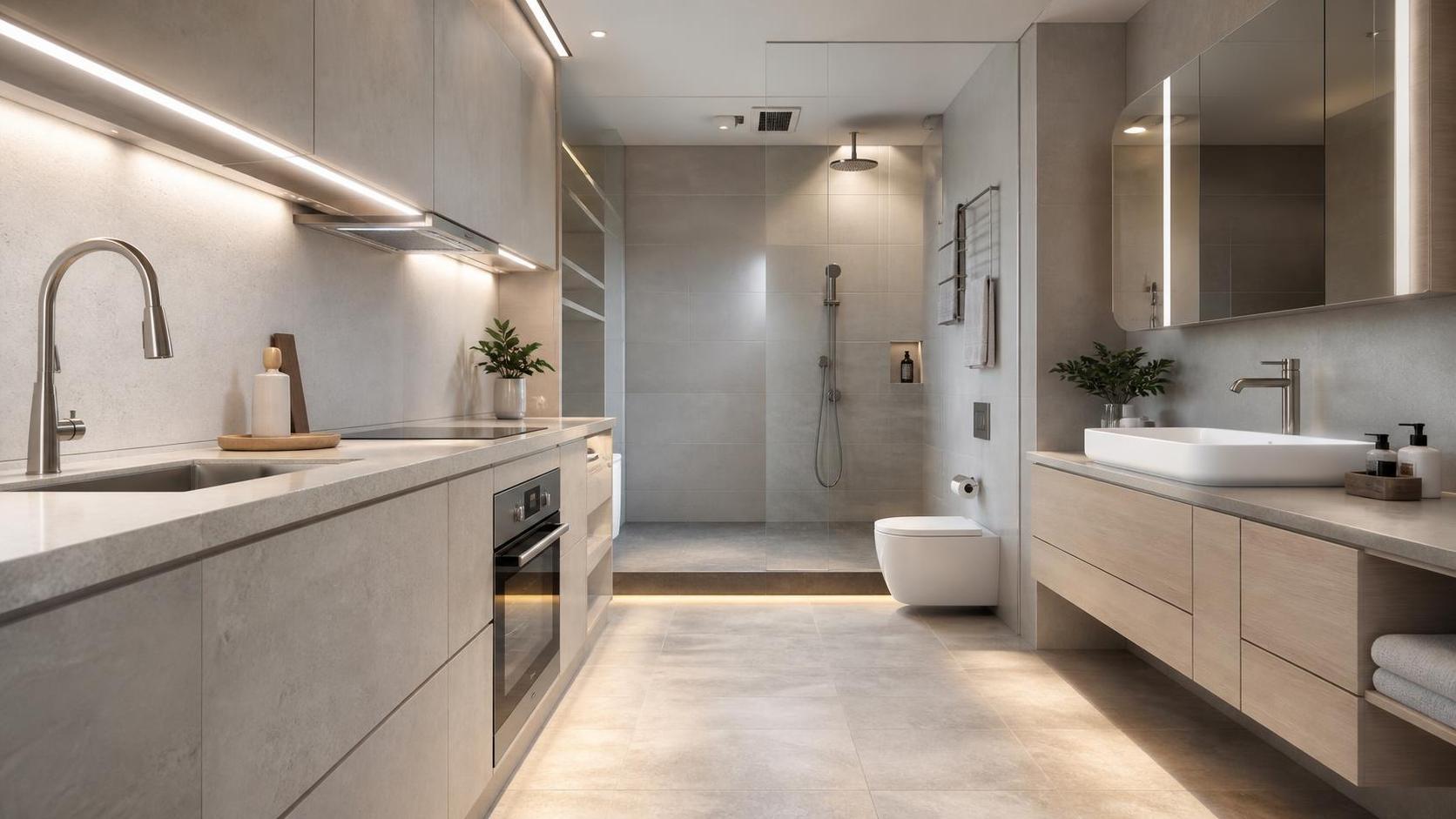
How to Choose Smart Kitchen and Bath Solutions for Modern Home Upgrades
Upgrading a kitchen or bathroom is no longer just about replacing finishes or adding a nicer faucet. In many homes, these spaces are becoming the center of practical innovation: cleaner surfaces, better water control, smarter lighting, safer access, and connected appliances that remove friction from everyday routines. The appeal is obvious, but so is the confusion. “Smart” can mean anything from a motion-sensor tap to a fully integrated system tied into voice control, leak detection, energy monitoring, and remote maintenance.
That is why choosing smart kitchen and bath solutions should start with decision logic, not gadget enthusiasm. The best setup is rarely the one with the longest feature list. It is the one that fits the way the household actually cooks, cleans, stores, showers, ventilates, and manages utility costs over time.
For anyone planning a modern home upgrade, the real questions are practical: which functions matter, what should be connected, what has to work even when the network fails, how much maintenance is acceptable, and which products are likely to age well instead of becoming expensive clutter.
Start with the daily friction points, not the product catalog
A good selection process begins with observation. In kitchens, common pain points include poor task lighting, inconsistent water temperature, hard-to-clean touch surfaces, appliance energy waste, and storage zones that do not support real cooking habits. In bathrooms, homeowners often care more about moisture control, hygiene, floor safety, water efficiency, and easier morning routines than they do about having the most advanced mirror on the market.
This sounds simple, but it changes what you buy. If the main issue is hygiene, touchless fixtures and anti-bacterial surface materials may matter more than app-based controls. If utility bills are rising, water-saving shower systems, efficient hot-water delivery, and smarter ventilation may have a stronger return than premium digital screens. If aging-in-place is part of the plan, then voice control, night guidance lighting, anti-slip flooring, and easy-grip hardware deserve more attention than style-driven extras.
The strongest projects usually solve three things at once: convenience, resource efficiency, and reliability.
What “smart” should mean in a kitchen or bathroom
In practical terms, smart kitchen and bath solutions tend to fall into five categories.
The first is sensing and automation: motion-activated faucets, occupancy-based lighting, humidity-triggered exhaust fans, and leak sensors. These are often the easiest upgrades to justify because the function is clear and the learning curve is low.
The second is connected control: appliances, mirrors, lighting, locks, and valves that can be adjusted by app, voice, or central hub. This is where compatibility becomes critical. A beautifully designed system is frustrating if half the devices do not communicate or require separate apps.
Third comes efficiency technology: water-saving fixtures, temperature management, smart dishwashers, induction cooking, zoned lighting, and ventilation systems that respond to real use conditions. These upgrades may be less flashy, but they often have the most durable value.
Fourth is health and hygiene: filtration, anti-bacterial materials, touch-minimizing interfaces, better air exchange, and surfaces that resist staining or mold buildup. In bathrooms especially, material choice matters just as much as device intelligence.
The fifth category is safety and resilience: anti-scald controls, water leak alerts, emergency shutoff options, slip resistance, and systems that fail safely. These features rarely dominate showroom conversations, but they often matter most after installation.
The hidden difference between a good product and a good solution
One common mistake is evaluating products one by one without looking at how they interact. A smart faucet may perform well on its own, but if local water pressure fluctuates, if the power setup is inconvenient, or if replacement parts are difficult to source, the ownership experience changes. The same goes for connected ovens, heated flooring, digital showers, and smart mirrors. A home upgrade is a system decision, even when it is purchased in pieces.
This is where broader industry intelligence becomes useful. GIAM, the Global Interior & Architectural Matrix, approaches these categories from a building-materials and spatial-systems perspective rather than a gadget-only view. Its Strategic Intelligence Center tracks how anti-bacterial materials, water-saving technologies, smart locks, and evolving construction standards intersect in real projects. For homeowners, that kind of cross-disciplinary lens is valuable because kitchen and bath choices are shaped by plumbing realities, material durability, maintenance patterns, and local compliance requirements just as much as by design trends.
What to compare before you buy
A smart fixture or appliance should be judged on more than appearance and headline features. These are usually the points that deserve a closer look:
Notice what is not on the list: novelty. A bathroom control panel with dozens of settings can look impressive, but if guests cannot use it and service technicians are hard to find, it may not be a smart choice at all.
Materials are not separate from the technology
Many upgrade decisions focus on devices and ignore the surfaces around them. That is a mistake, especially in wet zones. Countertops, wall panels, grout systems, cabinet finishes, and flooring influence hygiene, moisture resistance, and maintenance burden just as much as smart controls do.
If you are considering touchless fixtures or water-saving fittings, pair them with materials that tolerate frequent cleaning and humidity swings. If the bathroom includes connected ventilation or heated elements, check how the surrounding materials respond to condensation and thermal change. In the kitchen, an advanced induction hob or steam oven makes less sense if the cabinetry and ventilation design cannot support actual cooking loads.
GIAM’s coverage of core building materials and sanitary spaces is relevant here because smart living standards do not come from electronics alone. They depend on how hardware, hydraulic design, finishes, and daily wear patterns meet in the same room.
Where homeowners often overspend
There are a few repeat patterns in disappointing upgrades. One is buying premium connectivity without a real use case. Another is investing heavily in visible smart features while ignoring ventilation, waterproofing, drainage slope, or storage ergonomics. A third is choosing proprietary ecosystems that lock the household into one brand without clear long-term support.
Bathrooms are especially vulnerable to this. A digital shower system can be excellent, but it should be evaluated alongside water quality, maintenance access, and anti-scald protection. In kitchens, connected refrigeration or cooking systems may add genuine convenience, but only if the workflow of preparation, cleanup, and storage has been thought through.
The smartest upgrade is often the one that feels almost invisible after installation because it removes nuisance without demanding attention.
Questions worth asking suppliers, designers, or installers
Before signing off on any specification, ask how the product behaves in ordinary failure conditions. What happens during a power outage? Can the faucet, shower, oven, or lock still be operated manually? Does the system require a cloud connection for basic functions? Are firmware updates optional or mandatory? How easy is it to replace a sensor, cartridge, filter, or control board?
It is also worth asking whether the selected products align with local plumbing, electrical, and water-efficiency requirements. Those details vary by market, and they should be confirmed against current project documents and local regulations rather than assumed from online listings. GIAM’s tracking of energy-saving building standards and trade changes is a reminder that product availability, compliance pathways, and replacement lead times can shift faster than many homeowners expect.
A practical way to narrow your shortlist
If the options feel overwhelming, reduce them in this order. Keep only products that solve a real household problem. Remove anything that complicates maintenance. Then compare compatibility, manual usability, and service support. After that, evaluate water and energy performance, finish durability, and whether the design will still feel current in five to ten years.
That sequence matters. It prevents you from paying for intelligence that looks advanced on installation day but delivers little value once normal life takes over.
Modern upgrades work best when they combine quiet efficiency with dependable materials and thoughtful controls. Smart kitchen and bath solutions should help a home run better, not just look more futuristic. If you are still comparing options, the next useful step is not browsing more features. It is confirming the room conditions, utility constraints, maintenance expectations, and compatibility requirements that will decide whether a product remains convenient after the novelty fades.
Industry Briefing
Get the top 5 industry headlines delivered to your inbox every morning.