
How to Compare Building Material Solutions for Durability, Cost, and Project Fit
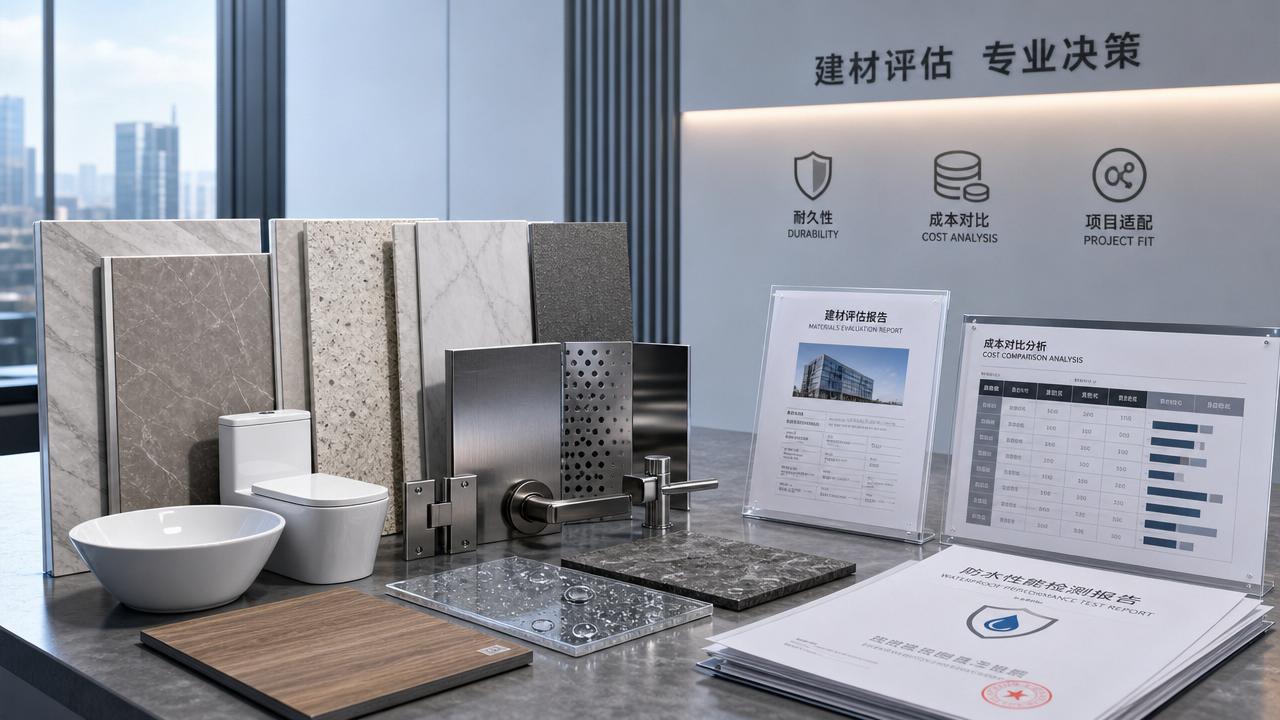
How to Compare Building Material Solutions for Durability, Cost, and Project Fit
Choosing the right building material solutions is no longer just about price.
It is about balancing durability, lifecycle cost, compliance, and real project performance.
A better comparison process reduces procurement risk and improves long-term value.
It also helps teams choose suppliers with more confidence.
That matters even more as standards, tariffs, and sustainability targets keep changing.
This guide shows how to compare building material solutions in a practical, decision-ready way.
Start with the Project Fit, Not the Product Pitch
Many comparisons fail because materials are reviewed in isolation.
In practice, building material solutions should be judged against the project context first.
That includes building type, climate, traffic level, maintenance capacity, and code requirements.
A hospital corridor, hotel bathroom, and mixed-use tower need very different performance profiles.
This is where GIAM-style market intelligence becomes useful.
Material decisions work better when technical data is connected to application trends and demand shifts.
Define the Use Case Before Comparing Options
- Map the installation area, exposure level, and expected service life.
- List critical risks such as moisture, impact, abrasion, chemicals, or heavy cleaning.
- Clarify whether appearance retention matters as much as structural performance.
- Check if the project prioritizes low carbon, water saving, or smart integration.
Once the use case is clear, comparing building material solutions becomes more objective.
Compare Durability Through Measurable Performance
Durability should never be reduced to a generic claim like “premium quality.”
Strong building material solutions need proof through standards, test data, and field results.
The right metrics depend on the category.
For example, tiles, panels, sanitary products, and hardware all fail in different ways.
What to Check in Durability Reviews
- Abrasion and scratch resistance for visible, high-touch surfaces.
- Water resistance and dimensional stability in wet or humid zones.
- Chemical resistance where cleaning agents are aggressive.
- Impact strength in public, commercial, or logistics-heavy spaces.
- UV stability for facade, daylight, or semi-outdoor exposure.
- Warranty terms that match real operating conditions.
From recent market changes, one clear signal stands out.
Durability now includes hygiene, water efficiency, and smart compatibility.
That means building material solutions should support both physical longevity and evolving building expectations.
Look Beyond Price and Calculate Lifecycle Cost
The cheapest quote can become the most expensive choice over time.
This is why building material solutions should be compared through total lifecycle cost.
A sound review includes purchase price, logistics, installation, maintenance, replacement, and downtime risk.
For commercial projects, disruption cost can easily outweigh the original material savings.
Key Cost Layers to Compare
This is also where a higher-spec material can make financial sense.
If it lasts longer and needs less maintenance, the lifecycle value may be stronger.
Assess Supplier Capability Alongside the Material
Procurement decisions are not only about products.
The reliability of building material solutions depends heavily on supplier execution.
A material with excellent specs still creates risk if delivery, documentation, or service fails.
In actual business settings, supplier discipline often decides whether project goals are met.
Supplier Review Checklist
- Consistency of batch quality and production capacity.
- Availability of technical data sheets and compliance certificates.
- Lead time stability across regions and order sizes.
- Ability to support mockups, samples, and application guidance.
- Track record in similar residential or commercial projects.
- After-sales response when defects or substitutions appear.
When comparing building material solutions, supplier strength should have its own scoring line.
Match Materials to Compliance, Sustainability, and Market Direction
Project fit now extends beyond function and budget.
Building material solutions increasingly need to align with environmental targets and changing regulations.
This is especially relevant in urban projects and premium developments.
More buyers now evaluate low-emission materials, water-saving systems, and anti-bacterial surfaces together.
Questions That Improve Decision Quality
- Does the material support green building goals or carbon reduction targets?
- Will upcoming standards make this option less competitive later?
- Is the product suitable for smarter kitchens, baths, or connected spaces?
- Can the supplier document safety, hygiene, and efficiency performance clearly?
A more obvious trend today is convergence.
Core materials are increasingly expected to work with healthier, smarter, and more efficient spaces.
Build a Practical Scoring Model for Faster Decisions
A simple scoring model helps turn complex comparisons into consistent decisions.
It also makes internal alignment easier when technical, financial, and design priorities differ.
The model does not need to be complicated.
What matters is using the same logic across all building material solutions under review.
Suggested Evaluation Framework
- Set weighted criteria for durability, cost, compliance, and supplier capability.
- Score each option using verified data, not sales language.
- Add a project-fit adjustment for climate, usage intensity, and maintenance reality.
- Flag red-line risks such as missing certificates or unstable delivery.
- Review the top two options with lifecycle and scenario analysis.
This approach keeps comparison disciplined without slowing the process.
It is especially useful when several building material solutions look similar on paper.
Final Takeaway
The best building material solutions are not always the lowest-cost or highest-spec options.
They are the ones that match project needs, reduce long-term risk, and stay resilient under real use.
A strong comparison process should connect material science, cost logic, supplier reliability, and market direction.
That is how better procurement decisions are made in a changing construction environment.
Start with the use case, verify the data, and test lifecycle value before committing.
When building material solutions are compared this way, every purchase becomes more strategic and more defensible.
Industry Briefing
Get the top 5 industry headlines delivered to your inbox every morning.