
How to Evaluate Smart Kitchen Systems for Hotels: Integration, Workflow, and ROI
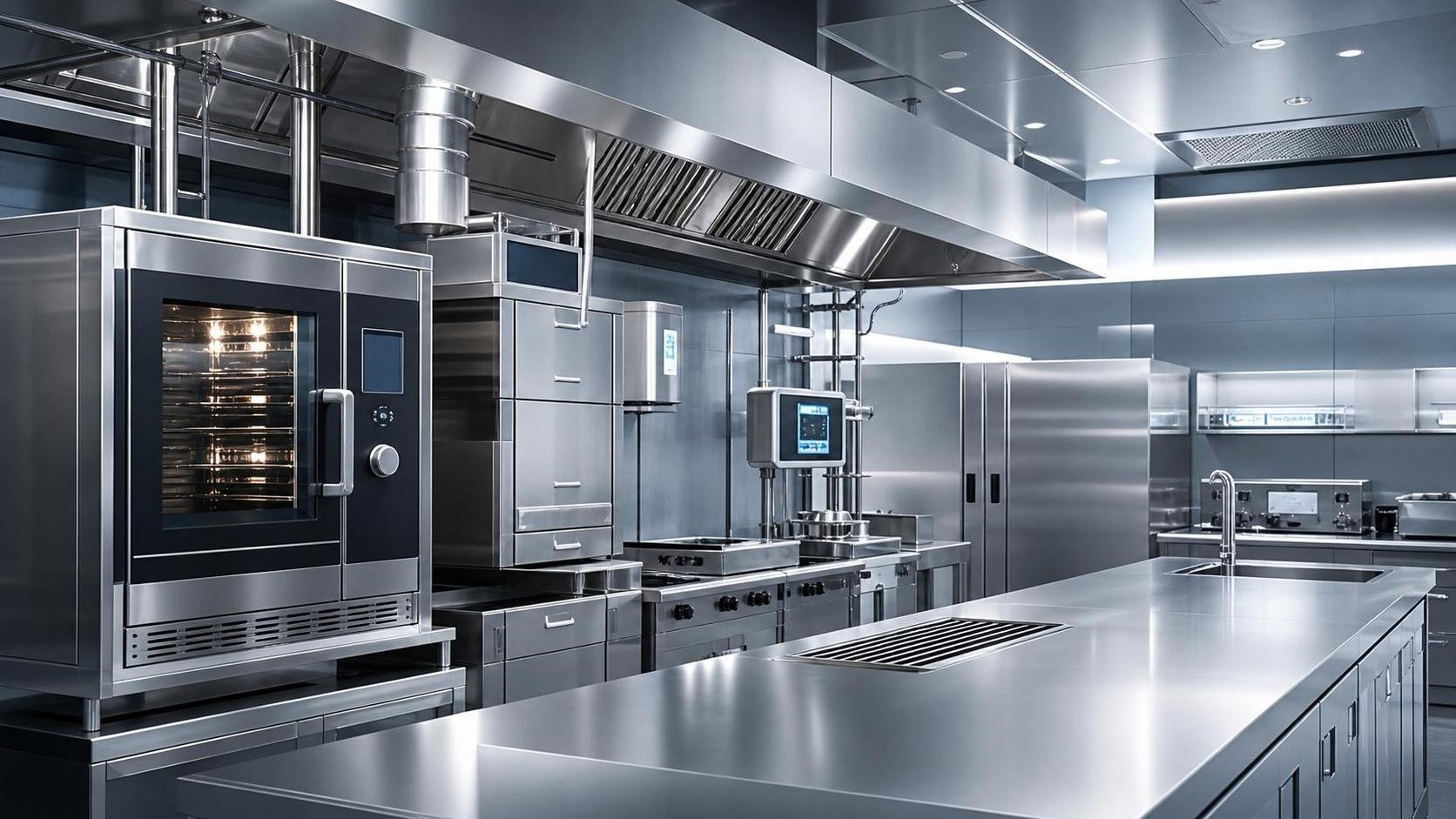
Choosing smart kitchen systems for hotels has moved beyond a simple equipment upgrade. It now sits at the intersection of operations, food safety, energy performance, labor pressure, and guest experience. The question is not whether digital kitchens matter, but how to evaluate which systems fit the property, connect with existing infrastructure, and create measurable returns over time.
For hotel environments, the stakes are higher than in many other commercial kitchens. Service windows are tighter, menus can shift by outlet, and kitchens often support breakfast, banquets, room service, bars, and all-day dining at once. That is why smart kitchen systems for hotels should be assessed as part of a broader building and operational strategy, not as isolated devices.
What smart kitchen systems really include
The term covers more than connected ovens or app-based controls. In practice, it refers to an ecosystem of hardware, software, sensors, and data layers that improve control across kitchen activities.
Typical components include connected cooking equipment, remote diagnostics, temperature monitoring, digital HACCP records, energy tracking, inventory links, ventilation controls, water-saving fixtures, and maintenance alerts.
Some systems also integrate with building management platforms, procurement tools, and service analytics. In hotels, that wider integration matters because kitchen performance is tied to occupancy, event schedules, staffing patterns, and utility loads.
Why the category is getting more attention
Several forces are pushing hotel operators to review smart kitchen systems for hotels more carefully. Labor costs remain volatile. Compliance pressure is rising. Utility efficiency is now a board-level issue in many portfolios.
There is also a design and construction angle. GIAM’s market lens on smart spaces, sanitary systems, and material intelligence reflects a larger shift in hospitality projects. Kitchens are being evaluated alongside water use, anti-bacterial surfaces, lifecycle cost, and digital control standards.
This means a kitchen upgrade is no longer judged only by culinary output. It is also judged by resilience, sustainability, interoperability, and how well it supports long-term asset value.
Integration should be the first filter
The strongest smart kitchen systems for hotels are rarely the ones with the longest feature list. They are the ones that connect cleanly with the property’s existing technical and operational environment.
Infrastructure fit
Start with utilities and physical conditions. Power capacity, ventilation layout, drainage, water pressure, connectivity stability, and available space all shape what can be deployed without expensive redesign.
A system that performs well in a new flagship property may struggle in a retrofitted city hotel with legacy ducts, limited back-of-house access, and fragmented wiring routes.
Software compatibility
Integration also means data compatibility. Smart kitchen systems for hotels should be reviewed for API access, export formats, cybersecurity controls, and their ability to connect with BMS, CMMS, ERP, or food safety platforms.
Closed systems can create hidden costs later. If operational data cannot be shared, it becomes harder to compare properties, identify inefficiencies, or prove savings at portfolio level.
Service ecosystem
Integration is not only technical. It includes installer competence, spare parts access, remote support coverage, and upgrade paths. A hotel may buy advanced equipment but still lose value if local support is slow.
Workflow matters more than features on paper
Hotels should judge smart kitchen systems for hotels by how they change the daily rhythm of work. A connected kitchen that adds screens, steps, or alerts without reducing friction can easily become underused.
The key question is simple: does the system make production faster, safer, and more consistent during real service peaks?
This is where site visits and pilot testing become valuable. Observing service flow often reveals more than supplier presentations. Bottlenecks usually appear around handoffs, not around headline features.
ROI should be measured across several layers
Return on investment is often reduced to labor savings. That is too narrow. Smart kitchen systems for hotels can create value in several ways, and some of the most important gains are operational rather than immediately visible.
Direct financial effects
- Lower energy use through optimized heating, ventilation, and idle-time management.
- Reduced food waste from better holding, tracking, and production consistency.
- Fewer emergency repairs because predictive maintenance catches faults earlier.
- Less manual recordkeeping for safety and compliance tasks.
Operational and brand effects
- More consistent output across shifts and outlets.
- Shorter recovery time after staff turnover.
- Better support for sustainability reporting and ESG targets.
- Improved guest perception when service reliability increases.
A realistic ROI model should combine capex, installation disruption, subscription fees, training cost, maintenance savings, and performance improvements over at least three to five years.
That longer view aligns with GIAM’s emphasis on lifecycle intelligence in commercial space decisions. Short payback matters, but durability of value matters more.
Different hotel formats need different priorities
Not every property should buy the same package. The right evaluation framework depends on service model, outlet mix, labor profile, and the age of the building.
This is also why benchmarking against similar properties is useful. A system designed for high-volume institutional catering may be technically impressive yet poorly matched to a hospitality-led service environment.
Questions that reveal real decision quality
Before shortlisting suppliers, it helps to frame the evaluation around business evidence rather than feature comparison alone.
- Which existing systems must the kitchen platform connect to on day one?
- Where does the current kitchen lose time, energy, or product consistency?
- What data will actually be reviewed monthly, and by whom?
- Can the system operate well during network interruptions or partial outages?
- How difficult is staff onboarding across multiple shifts and outlets?
- What are the upgrade and support terms after the initial contract period?
These questions help separate digital value from digital decoration. In many cases, the best smart kitchen systems for hotels are the least flashy ones, because they solve repeatable operational problems.
A practical path forward
A disciplined review usually starts with a kitchen workflow audit, utility baseline, and integration map. That creates a clearer view of where technology can remove friction and where physical constraints will limit returns.
From there, pilot one or two high-impact zones, such as temperature compliance, combi oven control, or ventilation optimization. Measure results with specific metrics, not broad expectations.
For teams tracking broader construction and hospitality trends, GIAM’s perspective is useful because it connects kitchen intelligence with materials, sanitary performance, water efficiency, and commercial space evolution. That wider lens often leads to better capital decisions.
The next step is not to chase the most advanced platform. It is to define operational priorities, verify integration requirements, and build an ROI model grounded in the realities of the property. That is how smart kitchen systems for hotels become a durable business asset instead of a short-lived technology project.
Industry Briefing
Get the top 5 industry headlines delivered to your inbox every morning.