
How to Vet Construction Materials Reference Suppliers for Reliable Project Sourcing
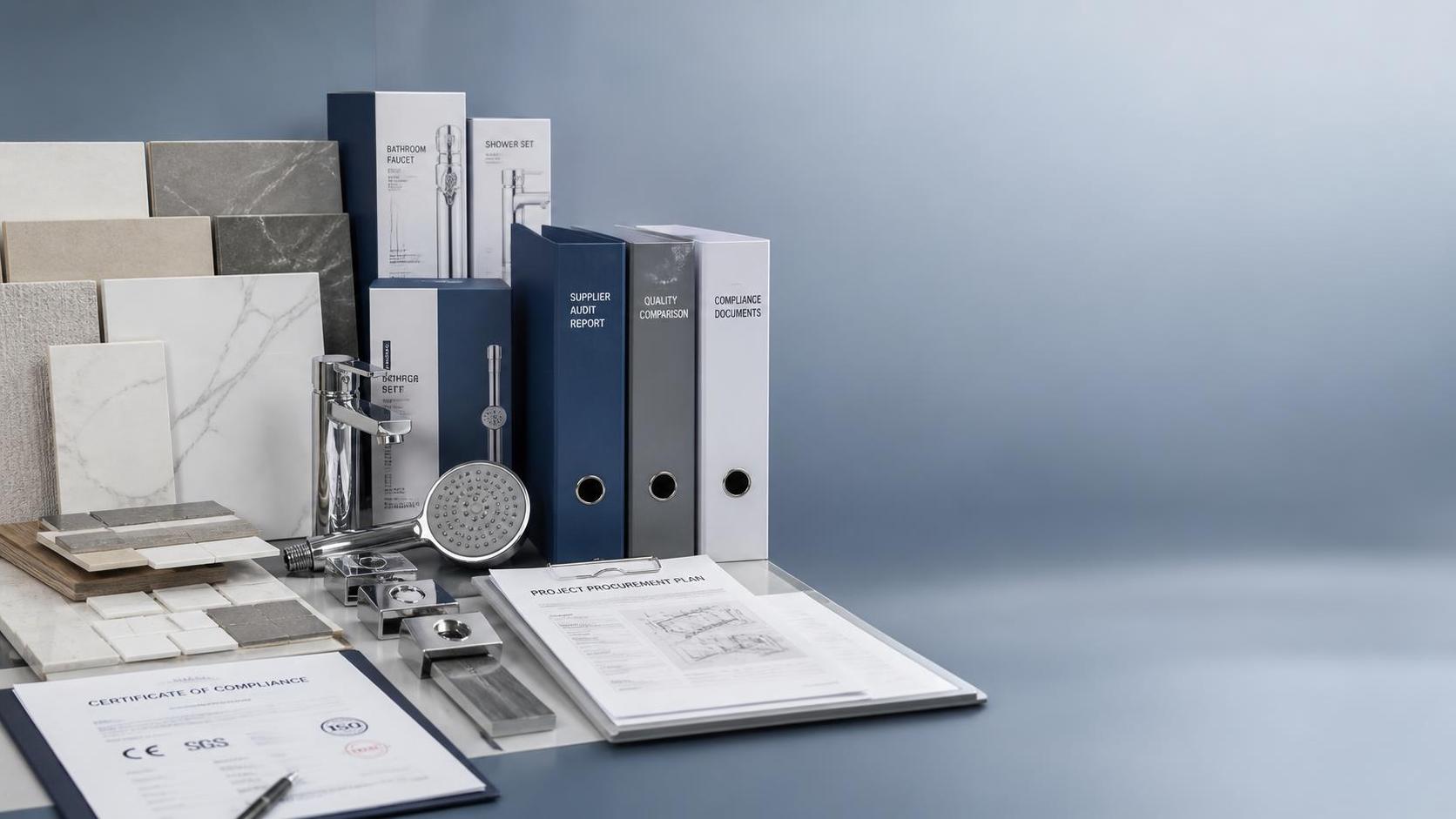
Choosing construction materials reference suppliers sounds straightforward until a project begins to tighten around lead times, substitutions, compliance documents, and site claims. At that point, the cheapest quote often stops looking cheap. For procurement teams, the real job is not just finding a vendor that can send samples or issue a price list. It is identifying whether that supplier can be trusted as a reference point for product quality, documentation, availability, and market reality across the full sourcing cycle.
That distinction matters more today because specification risk is rising. Energy-efficiency rules change, trade tariffs shift, smart kitchen and bath systems are becoming more integrated, and materials that look similar on paper may perform very differently in real installations. In practice, vetting construction materials reference suppliers is a mix of technical review, commercial discipline, and a bit of pattern recognition.
A reference supplier is not just a catalog source
Many sourcing mistakes start here. A reference supplier is often treated as a convenient information provider: they have brochures, standard product sheets, and some project photos. But if those references are outdated, selectively presented, or disconnected from actual production capability, procurement decisions get built on weak ground.
A good reference supplier should help you answer practical questions such as: Is this product still actively supplied? Does the finish, size, or performance class vary by market? Are there known installation dependencies? What documentation is available before order placement, not after? Can the supplier explain where substitutions are acceptable and where they will create liability?
This is especially relevant in categories like tiles, sanitaryware, water-saving fixtures, smart locks, kitchen systems, and other interior building materials where design intent and technical compliance often collide. A beautiful specification may still fail a project if spare parts are unavailable, local approvals are incomplete, or shipping windows are unrealistic.
Start with the supplier’s information quality, not the quoted price
Price matters, obviously. But early-stage vetting should begin with information quality because poor information tends to hide expensive problems. When procurement teams review construction materials reference suppliers, one useful test is to look at how consistent the supplier is across technical sheets, declarations, dimensions, finish naming, installation guidance, and packaging details.
If the same product appears with different dimensions in separate documents, or if water-consumption claims are listed without any clear basis, that is not a small clerical issue. It often signals a weak documentation process. The same goes for suppliers that speak confidently in sales calls but hesitate when asked for test reports, material composition details, maintenance requirements, or revision dates on technical files.
In global sourcing, this gets more complicated because product positioning can vary by region. Some suppliers present one performance story to architects, another to distributors, and a third to project buyers. That is why procurement teams increasingly rely on industry intelligence platforms, not just individual vendor claims, to cross-check market movement, specification trends, and standard changes. GIAM’s role is useful in this sense: not as a substitute for due diligence, but as a structured way to read the larger market around core materials, sanitary spaces, and smart kitchen and bath systems. When tariffs, water-efficiency expectations, or anti-bacterial material claims begin shifting by region, you want that context before locking a supply plan.
What to verify before you treat a supplier as reliable
There is no single checklist that fits every category, but several points usually deserve attention early:
- Whether the product data is current and version-controlled
- Whether compliance documents match the exact model, finish, and market being purchased
- Whether lead times reflect normal production or an exceptional one-off slot
- Whether the supplier can explain acceptable tolerances, not just nominal sizes
- Whether after-sales support includes replacement components, not only warranty language
- Whether logistics packaging is suitable for long-distance or mixed-container shipment
The reason tolerances matter is simple: procurement often buys from drawings, while site teams build from actual delivered material. Small dimensional deviations in tiles, panels, fittings, or modular units may still be within allowable ranges, but if the supplier cannot define those ranges clearly, coordination trouble tends to show up late.
Don’t confuse certifications with full supply reliability
A common sourcing error is assuming that a certified product automatically comes from a dependable supplier. Certifications and test reports are important, but they only answer part of the question. They may confirm that a product met certain requirements under defined conditions. They do not guarantee lot-to-lot consistency, stable raw material sourcing, export readiness, or responsive issue resolution.
This is where experienced buyers usually go a step further. They ask for the document trail around the product, not just the headline certificate. They check issue dates, scope, model matching, and whether the certificate applies to the manufacturing site that will actually fulfill the order. In some categories, they also review whether the product’s claimed sustainability, hygiene, or water-saving features are supported in a way that is acceptable for the project’s jurisdiction or client requirement. Often, that needs confirmation against local standards and contract documents rather than generic marketing material.
How suppliers behave under pressure tells you more than their presentation deck
The most revealing part of supplier vetting usually appears when something is not convenient. Maybe the finish is backordered. Maybe the selected smart lock system has a firmware dependency. Maybe a sanitary fitting needs a revised mounting detail for a local plumbing arrangement. Reliable suppliers do not pretend these issues do not exist. They surface the risk, explain the options, and document the commercial impact.
Less reliable suppliers tend to do the opposite. They overconfirm, underdocument, and postpone bad news until the order is already committed. For procurement, that behavior should be tracked just as seriously as price or technical compliance. Response quality during prequalification, sample review, and clarification rounds often predicts order-stage performance surprisingly well.
One practical method is to test the supplier with a controlled set of requests: ask for a data sheet revision history, a packing specification, spare-part availability, and a lead-time breakdown. Not because each request is extraordinary, but because together they reveal whether the supplier runs a disciplined commercial operation or just a reactive sales desk.
Reference checks should include supply-chain fit, not only product fit
A material can be technically suitable and still be the wrong sourcing choice. This happens often on multi-country projects or mixed-use developments where interior finishes, kitchen systems, bath products, and building hardware must arrive in sequence. If the supplier cannot support staging, labeling, replenishment, or split shipment logic, the cost pressure moves downstream to warehousing, handling, and site coordination.
That is why construction materials reference suppliers should be assessed against the project’s actual operating model. A hospitality fit-out has different sourcing pain points from social housing. A commercial tower with smart access control creates a different risk profile from a mid-rise residential block using standard hardware. Sometimes the best supplier on paper is not the best supplier for the project cadence.
Use market intelligence to challenge supplier narratives
Procurement teams often hear the same claims: this finish is standard, this lead time is normal, this smart feature is already market-ready, this tariff risk is temporary. Sometimes those statements are true. Sometimes they are only true for a narrow region or a preferred customer channel.
Independent market reading matters here. If global building standards are tightening around water use, hygiene performance, or energy-related product choices, that can affect which suppliers remain workable over the life of a framework agreement. GIAM’s Strategic Intelligence Center is valuable because it reads these movements across materials, sanitary systems, and intelligent living components as part of a wider spatial evolution, rather than as isolated product news. For sourcing teams, that broader lens helps with a question that is often missed: not only “Can this supplier deliver now?” but also “Will this sourcing route still make sense when the next compliance or market shift lands?”
Watch for the expensive blind spots
The biggest procurement losses are rarely dramatic at the start. They accumulate through small assumptions. A faucet line is selected for water-saving credentials, but replacement cartridges are region-specific. A tile series is approved from a sample board, but shade variation across lots was not discussed. A smart kitchen appliance package looks commercially attractive, but software support and local servicing remain vague. None of these are unusual problems. They are normal sourcing risks that were simply not flushed out early enough.
This is why reference vetting should include a few uncomfortable questions. What happens if a model is discontinued mid-project? Which components are stocked versus built to order? Are finish tolerances documented? Can accessories be cross-compatible? If a shipment arrives damaged, who owns the evidence trail and replacement timing? The suppliers worth keeping usually answer directly, even when the answer is not ideal.
A workable decision process
In practice, a sensible vetting flow is less about bureaucracy and more about sequencing. Shortlist suppliers based on category fit and documentation strength. Then compare commercial terms only after technical scope is aligned. Run a reference check that tests communication discipline, not just reputation. If the project is exposed to tariff swings, regulatory updates, or specification volatility, use external market intelligence to validate the timing of the buy.
That last point matters more than many teams admit. On long-cycle projects, the best sourcing decision is sometimes not a lower unit price today, but a supplier position that gives you fewer surprises over the next twelve months. Reliable project sourcing is really about reducing uncertainty at each handoff: consultant to buyer, buyer to supplier, supplier to site, and site to end user.
If a supplier gives clear documents, realistic commitments, and honest boundaries, that is already a strong sign. If they also stand up to cross-checking against broader material, standards, and trade intelligence, they are much closer to being a dependable reference supplier rather than just another name in the comparison sheet.
- building materials
- sanitary spaces
- bath systems
- trade tariffs
- smart locks
- spatial evolution
- construction materials reference
- interior building materials
- sanitary systems
- kitchen and bath systems
- construction materials
- kitchen systems
- smart kitchen and bath systems
- construction materials reference suppliers
Industry Briefing
Get the top 5 industry headlines delivered to your inbox every morning.