
Hydraulic Design for Sustainable Buildings: Key Load, Flow, and Efficiency Factors
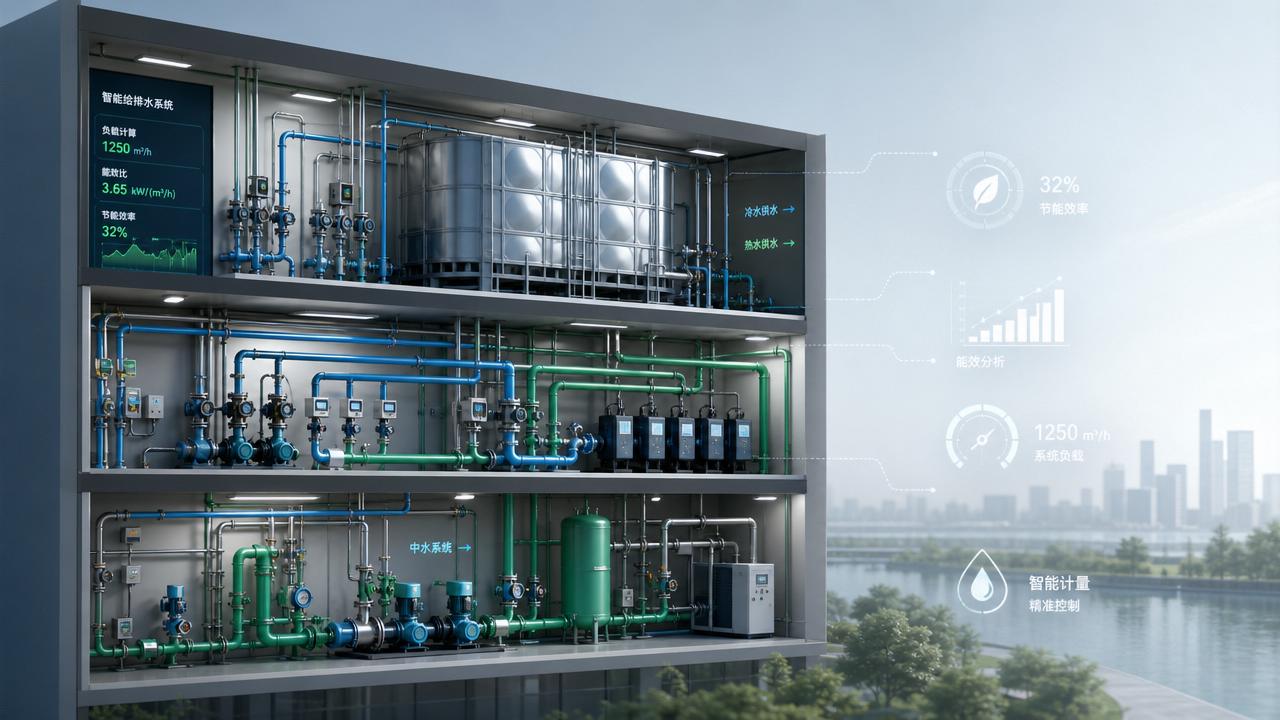
Why hydraulic design for sustainable buildings now drives building value
Hydraulic design for sustainable buildings is no longer a back-end calculation. It now shapes water efficiency, energy demand, code compliance, user comfort, and lifecycle operating cost.
That shift matters across the broader built environment. In GIAM’s view of residential and commercial space evolution, hydraulic performance now sits beside material science, sanitary innovation, and smart system integration.
When load, flow, and efficiency are checked together, project decisions become far more reliable. When they are reviewed separately, hidden waste usually appears later in commissioning, tenant use, or maintenance.
For technical evaluation, the real question is simple: does the proposed system deliver stable performance under realistic demand, while reducing water loss, pumping energy, and long-term operational risk?
What to verify before approving a hydraulic concept
The strongest hydraulic design for sustainable buildings usually passes a few practical checks early. These checks sound basic, but they prevent most downstream design corrections.
- Confirm peak demand assumptions reflect actual occupancy, fixture diversity, and simultaneous use. Oversized estimates waste capital, while undersized systems create pressure instability and user complaints.
- Check whether hot and cold water networks are modeled separately. Their pressure, temperature, recirculation, and insulation needs differ, especially in mixed-use or tall buildings.
- Review fixture performance data, not brochure claims alone. Flow regulators, sensor fittings, and low-consumption appliances must still meet hygiene, refill time, and comfort expectations.
- Verify the pipe sizing logic at branch and riser level. A system can look correct overall but still fail locally because of friction loss or poor balancing.
- Examine control strategy alongside hardware selection. Pumps, pressure-reducing valves, storage tanks, and smart meters only save resources when controls are coordinated properly.
- Test maintenance access in the design stage. Sustainable performance drops quickly when valves, filters, balancing devices, or meters cannot be inspected without major disruption.
A quick baseline for technical comparison
In early screening, comparing options with one consistent matrix helps. It keeps attention on measurable performance instead of isolated component marketing.
Load calculation errors that quietly weaken system performance
Most hydraulic design for sustainable buildings problems start with unrealistic load assumptions. The issue is not only wrong numbers. It is often the wrong logic behind those numbers.
For example, a premium residential tower, a hotel floor, and a healthcare washroom zone may use similar fixtures. Their demand timing, recovery needs, and hygiene expectations are still completely different.
- Do not rely on generic occupancy tables alone. Cross-check tenant type, building schedule, and amenity concentration to understand when real demand actually peaks.
- Treat future expansion carefully. Designing every branch for maximum long-term theoretical load often creates low velocity, stagnation, and unnecessary pump head.
- Review vertical zoning in taller buildings. Pressure bands, booster arrangements, and break tanks should align with realistic demand clusters, not just structural floor divisions.
- Check hot water recovery time under partial and peak use. A system may pass average demand calculations yet still fail during short, heavy occupancy surges.
In residential and mixed-use projects
Morning and evening peaks remain important, but mixed-use podiums change the pattern. Retail, food service, wellness spaces, and smart sanitary zones can create overlapping demand windows.
That is why GIAM-linked project analysis often benefits from combining fixture schedules with lifestyle and space-use data, especially where premium kitchen and bath systems influence consumption patterns.
Flow control choices that improve efficiency without hurting usability
A sustainable system is not simply a low-flow system. Good hydraulic design for sustainable buildings keeps service reliable while trimming unnecessary consumption at the point of use and across the network.
- Use flow control devices matched to actual pressure conditions. A regulator that performs well in lab settings may underdeliver or create noise in real building pressure ranges.
- Balance recirculation loops carefully. Excess recirculation wastes heat and pump energy, while weak balancing increases wait time and raises hygiene concerns.
- Separate high-demand zones from sensitive low-flow fixtures where possible. Shared control strategies often reduce efficiency because one zone compensates for another.
- Check valve placement and control sequencing together. Poor coordination can trigger pressure spikes, unstable mixing, and inconsistent fixture performance during simultaneous use.
- Use sub-metering at meaningful hydraulic boundaries. Floor-level, tenant-level, or function-level data exposes abnormal use much faster than one total building reading.
In hospitality, healthcare, and public sanitary spaces
These projects cannot chase water reduction in isolation. User turnover, cleaning routines, touchless fixtures, and anti-bacterial material strategies all affect acceptable flow conditions.
A practical review asks whether reduced flow still supports rinse quality, thermal stability, and fast recovery. If not, apparent savings may simply shift cost into complaints and maintenance.
Efficiency factors that deserve more attention during evaluation
Energy and water performance often look good on paper because major equipment is efficient. In practice, network losses and control gaps usually decide the real outcome.
- Evaluate pump efficiency at expected operating points, not rated best-case conditions. Variable-speed equipment still wastes energy when the duty range is poorly defined.
- Include heat loss from storage and recirculation in the comparison. Hot water efficiency is often overstated when standby and distribution losses are ignored.
- Review leak detection capability as part of system efficiency. Small continuous losses can erase the gains from premium fixtures and water-saving appliances.
- Check whether controls integrate with broader smart building logic. Metering, occupancy signals, and alarm thresholds improve hydraulic design for sustainable buildings when data is actionable.
- Look at material durability under local water quality. Scale, corrosion, and biofilm risks reduce long-term efficiency faster than most concept-stage models predict.
A common blind spot in “green” specifications
Many specifications reward low fixture flow rates but overlook commissioning quality. A badly commissioned efficient system usually performs worse than a moderate system tuned correctly.
That is especially relevant in GIAM’s smart space context, where digital controls, water-saving technologies, and premium interior hardware need integrated performance, not isolated product compliance.
What usually gets missed during technical review
Even experienced teams sometimes focus too heavily on design intent and not enough on execution conditions. That gap creates many avoidable performance issues.
- Pressure readings without time-based demand context can mislead. Stable test results during low use do not confirm acceptable performance during true peak periods.
- Water quality assumptions are often too generic. Local hardness, chlorine treatment, and sediment levels can change valve life, sensor reliability, and maintenance frequency.
- Controls are sometimes specified without clear alarm ownership. If no one responds to leak, temperature, or pressure alerts, monitoring adds little value.
- Fixture upgrades late in procurement can distort the hydraulic balance. Small product substitutions may require recalibration of pressure, temperature, and branch flow settings.
A practical way to make final decisions
A strong decision process for hydraulic design for sustainable buildings compares options across five linked questions: Is the load realistic? Is the flow controlled? Is energy minimized? Is water quality protected? Is operation visible?
If one answer is weak, the whole system deserves another look. That may sound strict, but it is usually cheaper than correcting unstable pressure, poor hot water response, or hidden consumption after handover.
For projects influenced by GIAM’s market and intelligence perspective, this matters even more. Premium materials, sanitary innovation, and smart kitchen and bath systems create value only when the hydraulic backbone supports them well.
The next step is straightforward: review the proposed scheme against actual use patterns, local standards, and measurable operating data. That is where hydraulic design for sustainable buildings moves from a design promise to dependable building performance.
Industry Briefing
Get the top 5 industry headlines delivered to your inbox every morning.