
What Is Construction Intelligence and How Is It Used in Project Planning?
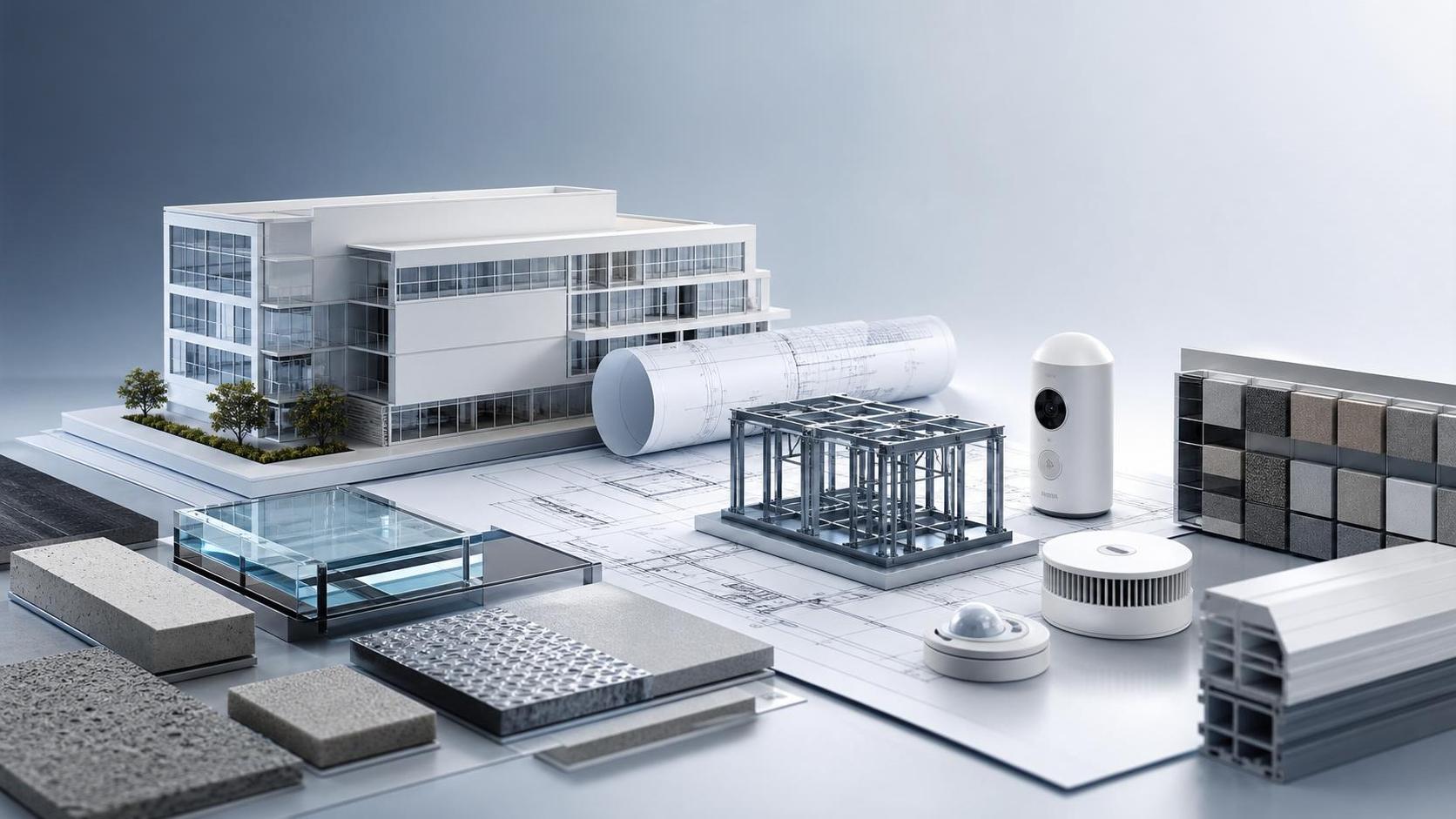
Construction intelligence has moved from a niche digital concept to a practical planning tool across building projects. It brings together live project data, supply conditions, material performance, regulatory changes, and market signals, so planning decisions rely less on assumptions and more on evidence. In a climate shaped by tighter budgets, stricter sustainability targets, and faster design shifts, construction intelligence helps turn planning into a continuous, informed process rather than a one-time schedule exercise.
A practical definition of construction intelligence
At its core, construction intelligence is the structured use of information to improve decisions before and during project delivery. It is broader than project software and more strategic than a simple dashboard.
A useful way to understand it is as a decision layer. It connects design data, procurement trends, labor realities, compliance requirements, and operational goals into one planning perspective.
That perspective matters because construction projects rarely fail for one reason alone. Delays, budget stress, and scope friction usually come from disconnected information.
Construction intelligence reduces that disconnect. It gives earlier visibility into what may affect cost, timing, quality, and long-term building performance.
Why the topic matters more now
Project planning used to depend heavily on historical averages and static procurement assumptions. That approach is less reliable when standards, tariffs, and material availability shift quickly.
The building sector is also being reshaped by greener codes, demand for healthier interior spaces, and stronger expectations around water efficiency, energy use, and smart systems.
This is where construction intelligence becomes especially relevant. It helps planners assess whether a decision is still valid under current market and regulatory conditions.
For example, a specification chosen during concept design may later face cost inflation, import pressure, or compliance updates. Without an intelligence layer, that issue often appears too late.
What construction intelligence includes in real planning work
In practice, construction intelligence is not one dataset. It is a mix of inputs that become useful only when they are interpreted in context.
Key information streams
- Project data, including schedule baselines, change orders, productivity trends, and resource loading.
- Commercial signals, such as price movement, supplier lead times, trade exposure, and regional demand shifts.
- Material intelligence covering durability, hygiene performance, water saving, carbon impact, and compatibility with intended use.
- Regulatory and standards tracking across energy codes, safety requirements, and certification expectations.
- Occupant and asset trends, including smart kitchens, sanitary systems, healthy surfaces, and connected building functions.
When these streams are isolated, they create noise. When combined, they support better project planning choices at the right moment.
How it is used in project planning
The value of construction intelligence becomes clearer when viewed through planning tasks rather than technology labels. It helps answer practical questions that shape delivery outcomes.
Early feasibility and scope alignment
During early planning, intelligence helps test whether the desired scope matches real budget, timeline, and supply conditions. This prevents unrealistic commitments at the start.
It also improves option screening. Teams can compare materials and systems not only by unit price, but by maintenance impact, procurement risk, and compliance fit.
Schedule planning and sequencing
Construction intelligence supports more realistic sequencing because it reflects current lead times, subcontractor capacity, and local market pressure. That reduces planning based on outdated assumptions.
For interior and architectural packages, this is especially important. Finishes, sanitary systems, and smart kitchen components often depend on coordinated delivery windows.
Risk forecasting
A planning team may already know that risks exist. Construction intelligence helps rank which risks are becoming more likely and which ones carry the highest project consequence.
That may include regulatory changes, imported material volatility, specification mismatch, or evolving client expectations around sustainability and smart features.
Procurement timing
Procurement decisions improve when planning reflects live market intelligence. Teams can lock critical packages earlier, stage purchases differently, or identify viable alternatives before pressure builds.
Where it becomes especially useful
Not every project uses construction intelligence in the same way. Its strongest impact appears where complexity, regulation, and specification sensitivity overlap.
Interior-intensive projects
Hotels, mixed-use buildings, healthcare spaces, and premium residential developments often involve dense coordination between materials, sanitary systems, and finish quality.
Here, construction intelligence helps teams evaluate antibacterial materials, water-saving fixtures, and smart hardware with more than design preference in mind.
Cross-border procurement environments
Projects sourcing from multiple markets face tariff exposure, certification variation, and shipping uncertainty. Intelligence supports earlier contingency planning and alternative sourcing paths.
Carbon-conscious planning
Where low-carbon targets shape project approval or investor expectations, construction intelligence helps compare materials and systems through both cost and environmental impact.
The role of sector intelligence platforms
Construction intelligence becomes more valuable when it is informed by specialized sector knowledge. General project data alone cannot explain shifts in sanitary technology, premium materials, or smart kitchen and bath demand.
This is where GIAM provides a relevant context. Its Strategic Intelligence Center tracks sector news, standards movement, trade changes, and long-range evolution across building materials and spatial systems.
That matters for planning because many decisions now sit between construction performance and interior expectations. A tile choice, a water-saving system, or a smart lock is no longer only a product decision.
It may affect compliance, user experience, maintenance, brand positioning, and carbon goals at the same time. Construction intelligence makes those connections visible earlier.
What to evaluate before relying on construction intelligence
Not all intelligence is equally useful. The issue is not having more information. The issue is whether the information improves a specific planning decision.
- Check source quality. Market rumors and outdated benchmarks create false confidence.
- Match insight to timing. Some data is useful at concept stage, while other signals matter closer to procurement.
- Separate noise from decision triggers. A trend only matters if it affects schedule, cost, compliance, or performance.
- Link intelligence to accountability. Insights must connect to who acts, when they act, and what changes as a result.
- Review assumptions regularly. Construction intelligence is dynamic, so planning logic should be refreshed, not frozen.
A grounded next step for planning teams
The most effective starting point is not a large digital overhaul. It is identifying where planning outcomes suffer from blind spots today.
That may be volatile material packages, uncertain compliance pathways, or weak visibility into smart system demand across residential and commercial space.
From there, construction intelligence can be introduced as a practical framework: which signals matter, how often they should be reviewed, and which decisions they should influence.
In a market where spatial quality, sustainability, and delivery certainty increasingly intersect, better planning depends on better interpretation. Construction intelligence is not just more data. It is a sharper way to decide what matters before the project pays for uncertainty.
Industry Briefing
Get the top 5 industry headlines delivered to your inbox every morning.