
Is residential space intelligence worth the upgrade cost?
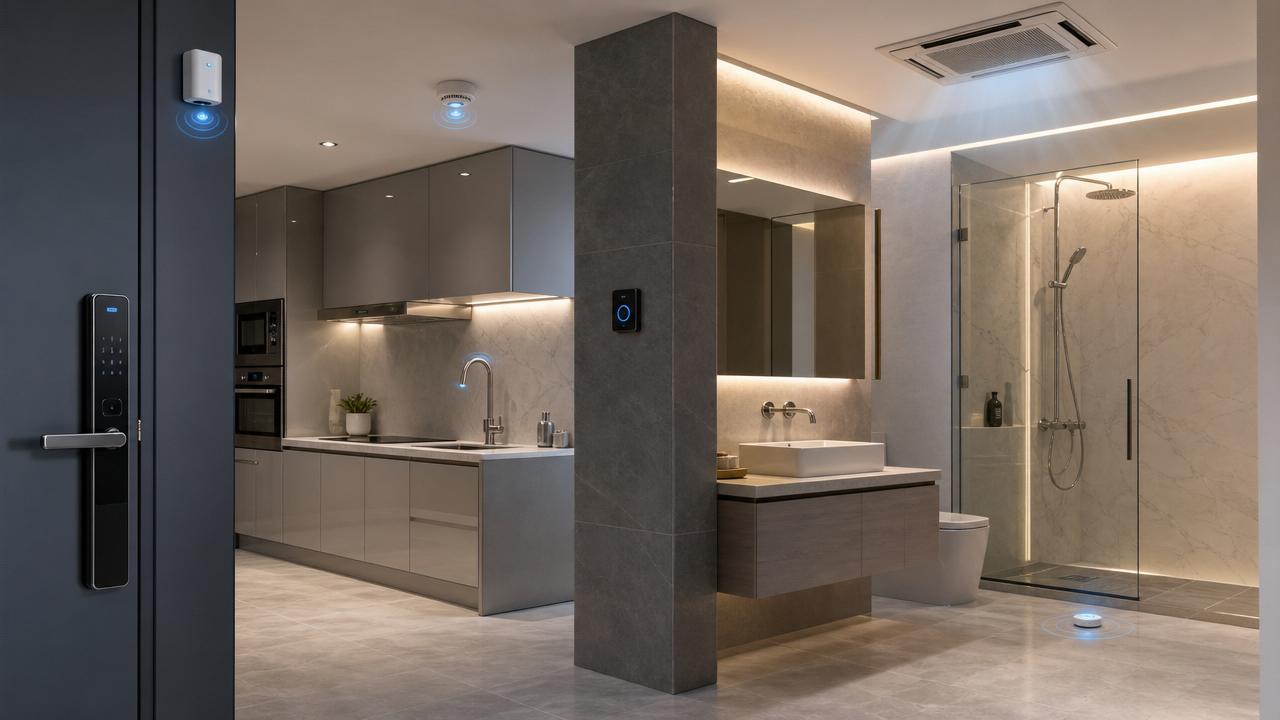
As homes become more connected, the debate around residential space intelligence is no longer about novelty alone.
It now touches energy costs, water efficiency, safety, health, comfort, and long-term property value.
For many households, the core question is simple: is residential space intelligence worth the upgrade cost?
The answer depends on system scope, building quality, integration depth, and whether the upgrade solves real daily problems.
In today’s built environment, residential space intelligence increasingly connects hard construction systems with digital living expectations.
That makes the topic highly relevant across building materials, sanitary spaces, and smart kitchen and bath systems.
What residential space intelligence means in practical terms
Residential space intelligence refers to coordinated digital systems that manage functions inside a home.
These functions often include lighting, HVAC, water control, security, access, appliances, air quality, and occupancy-based automation.
A basic setup may involve smart locks, thermostats, and leak sensors.
A more advanced setup can link bathroom fixtures, kitchen devices, energy storage, shading, and ventilation into one operating logic.
The keyword residential space intelligence should not be confused with isolated smart gadgets.
True intelligence comes from system integration, data feedback, and automated response across the home.
Core elements commonly included
- Smart entry systems with digital locks and remote verification
- Energy controls for lighting, heating, cooling, and load scheduling
- Water-saving fixtures with monitoring, shutoff, and leak alerts
- Air quality sensing linked to ventilation or purification
- Connected kitchen and bath equipment for comfort and hygiene
- Central platforms that unify devices under one interface
Why the market pays close attention to residential space intelligence
The interest in residential space intelligence is strongly linked to wider construction and interior trends.
Rising utility prices make energy and water optimization more valuable than before.
At the same time, green building standards increasingly reward measurable efficiency rather than decorative upgrades.
Health awareness also shapes choices in sanitary spaces and kitchens.
People now expect cleaner surfaces, touchless operation, and better control over indoor conditions.
This aligns with GIAM’s focus on material science, water systems, and the intelligence layer shaping future living standards.
Key market signals
The value side of the upgrade cost
The strongest case for residential space intelligence appears when it improves everyday performance, not just appearance.
Value typically comes from four areas: efficiency, protection, comfort, and future readiness.
1. Energy and water efficiency
Automated climate control can reduce waste from empty-room heating or cooling.
Smart shading can lower heat gain during peak hours.
Leak sensors and shutoff systems can prevent silent losses that often go unnoticed for weeks.
In kitchens and bathrooms, optimized flow and usage data can support water-saving behavior without reducing comfort.
2. Damage prevention and maintenance control
A single water leak can cause repairs far exceeding the initial cost of smart monitoring.
Residential space intelligence can detect abnormal temperature, humidity, motion, or pressure before major damage spreads.
This makes the upgrade particularly relevant in high-value interiors and moisture-sensitive sanitary spaces.
3. Security and access control
Digital locks, door sensors, and remote alerts add more than convenience.
They create a record of access events and support faster response to unusual activity.
For multi-entry homes, that extra visibility can justify part of the residential space intelligence investment.
4. Better daily living experience
Good systems reduce friction in routine tasks.
Lights adjust automatically, ventilation responds to humidity, and hot water settings become easier to manage.
The result is subtle but meaningful: less waste, fewer repetitive actions, and smoother space performance.
The hidden costs that shape return on investment
Not every residential space intelligence upgrade delivers strong value.
The total cost includes more than purchase price.
Installation complexity, software compatibility, maintenance, and future replacement risks all matter.
Common cost factors
- Wiring or retrofit labor in older buildings
- Subscription fees for cloud features or security services
- Device ecosystem lock-in and limited interoperability
- Software updates, downtime, or discontinued product support
- Cybersecurity and data privacy requirements
- Need for user training or configuration support
A poorly integrated system may create inconvenience instead of intelligence.
That is why upgrade decisions should focus on performance outcomes, not on the number of connected devices.
Where residential space intelligence delivers the clearest value
Some spaces and property types benefit more quickly from residential space intelligence than others.
The best results usually appear where utilities, moisture risk, and occupancy patterns are already complex.
How to evaluate the upgrade before committing
A disciplined evaluation process makes residential space intelligence easier to judge.
The goal is to match digital features with measurable building and lifestyle outcomes.
A practical evaluation checklist
- Identify the main problem: energy waste, leaks, security gaps, or comfort inconsistency.
- Prioritize systems with measurable savings or protection value.
- Check whether devices use open or widely supported protocols.
- Review maintenance needs, update policies, and vendor stability.
- Compare retrofit cost against the expected service life of the property.
- Avoid over-automation that reduces usability or complicates repairs.
This approach helps separate strategic residential space intelligence from expensive gadget accumulation.
Practical direction for the next step
Residential space intelligence is worth the upgrade cost when it serves building performance first and digital experience second.
It performs best when linked to water control, energy efficiency, sanitary safety, and durable interior planning.
Instead of upgrading everything at once, start with high-impact systems.
Leak detection, access control, climate automation, and smart kitchen or bath functions often provide the clearest early return.
Then expand only if the platform remains interoperable, stable, and easy to manage.
For a better decision, compare lifecycle cost, expected savings, and material protection benefits before selecting any system.
That is the most reliable way to determine whether residential space intelligence is a smart investment rather than a short-lived upgrade.
Industry Briefing
Get the top 5 industry headlines delivered to your inbox every morning.