
Residential Construction Trends Report: 7 Market Shifts Developers Should Track
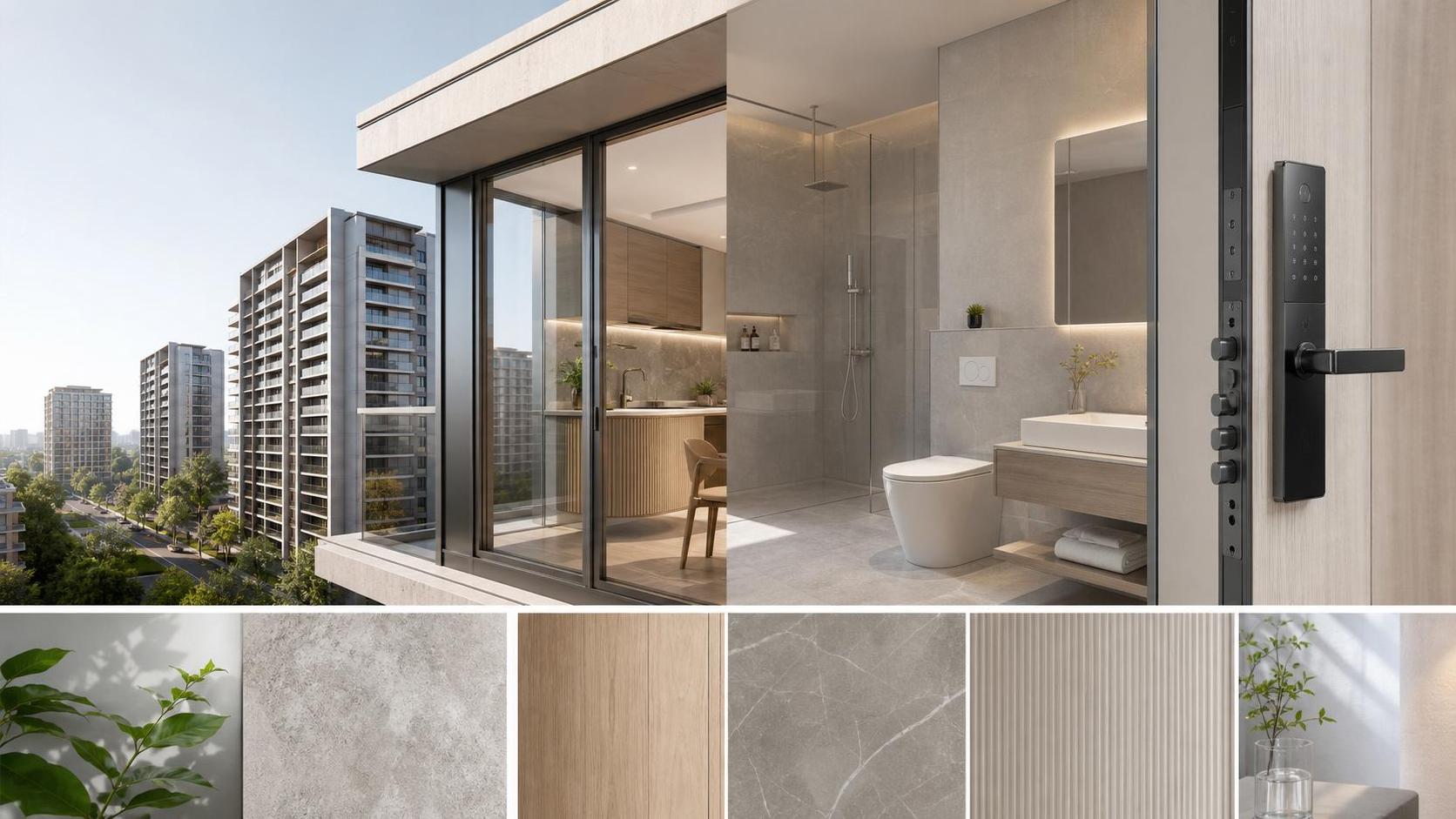
The latest residential construction trends report points to a housing market that is changing in structure, not just in pace. Developers are facing a new mix of buyer expectations, tighter regulations, volatile input costs, and faster technology cycles.
That matters because residential projects now compete on more than location and unit count. Material quality, water performance, sanitary design, smart systems, and long-term operating value increasingly shape demand, approvals, and pricing power.
Viewed through GIAM’s intelligence lens, the residential construction trends report becomes a practical market tool. It connects building materials, interior systems, and urban living standards with decisions on project strategy, procurement timing, and product positioning.
Why this market shift deserves closer attention
Housing demand remains active in many regions, yet the decision logic behind new projects has changed. Capital is more selective, planning cycles are more exposed to policy, and end users expect better performance from everyday living spaces.
In that context, a residential construction trends report is not simply a summary of starts and completions. It is a framework for reading where value is moving across design, materials, systems integration, and compliance.
This is especially relevant when sanitary spaces, kitchens, smart access, and durable finishes influence both buyer preference and operating efficiency. Those categories sit directly inside GIAM’s coverage of spatial evolution and material-led market intelligence.
Seven market shifts reshaping residential development
1. Buyer demand is moving toward performance-led living
Residential buyers and tenants increasingly compare projects through daily usability. Better ventilation, quieter interiors, cleaner water systems, storage efficiency, and easier maintenance now carry more weight in purchase decisions.
This pushes developers to think beyond cosmetic upgrades. A well-planned bathroom layout, anti-bacterial surfaces, or a more resilient kitchen specification can affect absorption rates as much as visual styling.
2. Smart systems are entering the baseline specification
Smart locks, connected water controls, leak detection, energy monitoring, and app-based access used to be premium differentiators. In many urban markets, they are becoming expected features in mid-range residential projects.
The important issue is not gadget density. It is whether the system stack is reliable, interoperable, and simple enough to maintain over the asset lifecycle.
3. Sustainability standards are getting more operational
Green positioning is no longer secured by broad design statements. Developers are being measured through material traceability, water efficiency, thermal performance, embodied carbon, and long-run energy behavior.
GIAM’s focus on carbon reduction and global smart living standards reflects this change. The market now rewards projects that treat sustainability as a measurable operating discipline, not a branding layer.
4. Cost pressure is shifting from headline pricing to system risk
Developers still track commodity swings, labor shortages, and borrowing costs. Yet the more difficult challenge is cost instability inside procurement chains, especially for imported fixtures, energy-efficient components, and specialized finishing materials.
Trade tariffs, shipping disruptions, and changing standards can force redesigns late in the process. A residential construction trends report should therefore be read alongside sourcing flexibility and substitution planning.
5. Water and hygiene are stronger value drivers than before
Bathrooms, kitchens, drainage systems, and touchpoint materials are gaining strategic importance. Water-saving technologies and hygienic surfaces influence both regulatory alignment and end-user trust.
This matters in dense urban housing, senior living formats, rental portfolios, and mixed-use communities. In each case, sanitation quality supports occupancy resilience and lowers future retrofit pressure.
6. Product positioning is becoming more segmented
The market is not splitting only by price. It is also segmenting by lifestyle use, household composition, digital adoption, and expectations around wellness and convenience.
A compact urban project may win through integrated storage, durable surfaces, and smart access. A suburban project may gain more from flexible room planning, efficient water systems, and better kitchen functionality.
7. Data-backed timing is becoming a competitive advantage
Developers are under pressure to launch neither too early nor too late. The right timing depends on local demand, financing conditions, permit cycles, input costs, and the readiness of supply partners.
This is where a residential construction trends report creates real value. It helps separate temporary noise from structural movement, especially in categories tied to building materials and smart interior systems.
How to read these shifts in practical business terms
Not every trend should trigger a full redesign. The better approach is to test how each signal affects margin, delivery risk, market fit, and long-term asset quality.
In practice, some questions matter more than broad trend language. Which specifications genuinely improve marketability? Which systems reduce operating inefficiency? Which materials support compliance without harming procurement stability?
The table shows why trend analysis should stay close to actual project decisions. A residential construction trends report becomes useful when it sharpens specification choices, not when it stays abstract.
Where these trends show up most clearly
Some project types reveal market changes faster than others. Urban infill developments often show stronger demand for compact smart systems and durable premium finishes.
Build-to-rent projects usually expose maintenance realities earlier. In those assets, water efficiency, surface durability, access control, and fixture reliability can directly affect operating returns.
Higher-end residential developments highlight another pattern. Buyers may still respond to aesthetics, but they increasingly expect hidden performance, including acoustic quality, sanitation standards, and integrated kitchen technology.
In emerging urbanization corridors, GIAM’s commercial insight model becomes especially relevant. Premium building materials and smart kitchen appliances are no longer niche upgrades in those markets. They are becoming part of structural demand.
A working checklist for the next planning cycle
A useful residential construction trends report should guide the next round of internal review. The goal is to align market signals with project assumptions before they become expensive late-stage corrections.
- Recheck which specifications directly support absorption, pricing, or occupancy stability.
- Map exposure to tariff shifts, imported components, and single-source suppliers.
- Review whether smart systems are adding long-term value or unnecessary complexity.
- Test water-saving, sanitary, and low-carbon features against local standards and user expectations.
- Compare finish and equipment choices by lifecycle cost, not just tender price.
- Track which design elements can be standardized across multiple projects without weakening market fit.
That last point is often overlooked. Standardization can protect margin, but only when it is applied to the right layers of the project. Core systems may scale well, while visible user-facing spaces still need local relevance.
Turning market signals into better decisions
The strongest takeaway from this residential construction trends report is that residential development is becoming more integrated. Materials, sanitary systems, digital controls, regulatory shifts, and lifestyle expectations now move together.
That makes selective intelligence more valuable than broad optimism. GIAM’s cross-disciplinary view, spanning building materials, smart kitchen and bath systems, and policy-sensitive market scanning, reflects the kind of analysis this environment requires.
The next step is to review current pipelines against these seven shifts and identify where assumptions may already be outdated. Projects that match product mix, sourcing strategy, and living-performance standards more precisely will be better placed in the next cycle.
- building materials
- sanitary spaces
- bath systems
- trade tariffs
- water-saving technologies
- smart locks
- premium building materials
- smart kitchen appliances
- carbon reduction
- residential construction trends
- spatial evolution
- smart living standards
- sanitary systems
- kitchen and bath systems
- smart kitchen and bath systems
- residential construction trends report
Industry Briefing
Get the top 5 industry headlines delivered to your inbox every morning.