
Smart Living Technology Solutions for Apartments: Which Systems Add Daily Convenience?
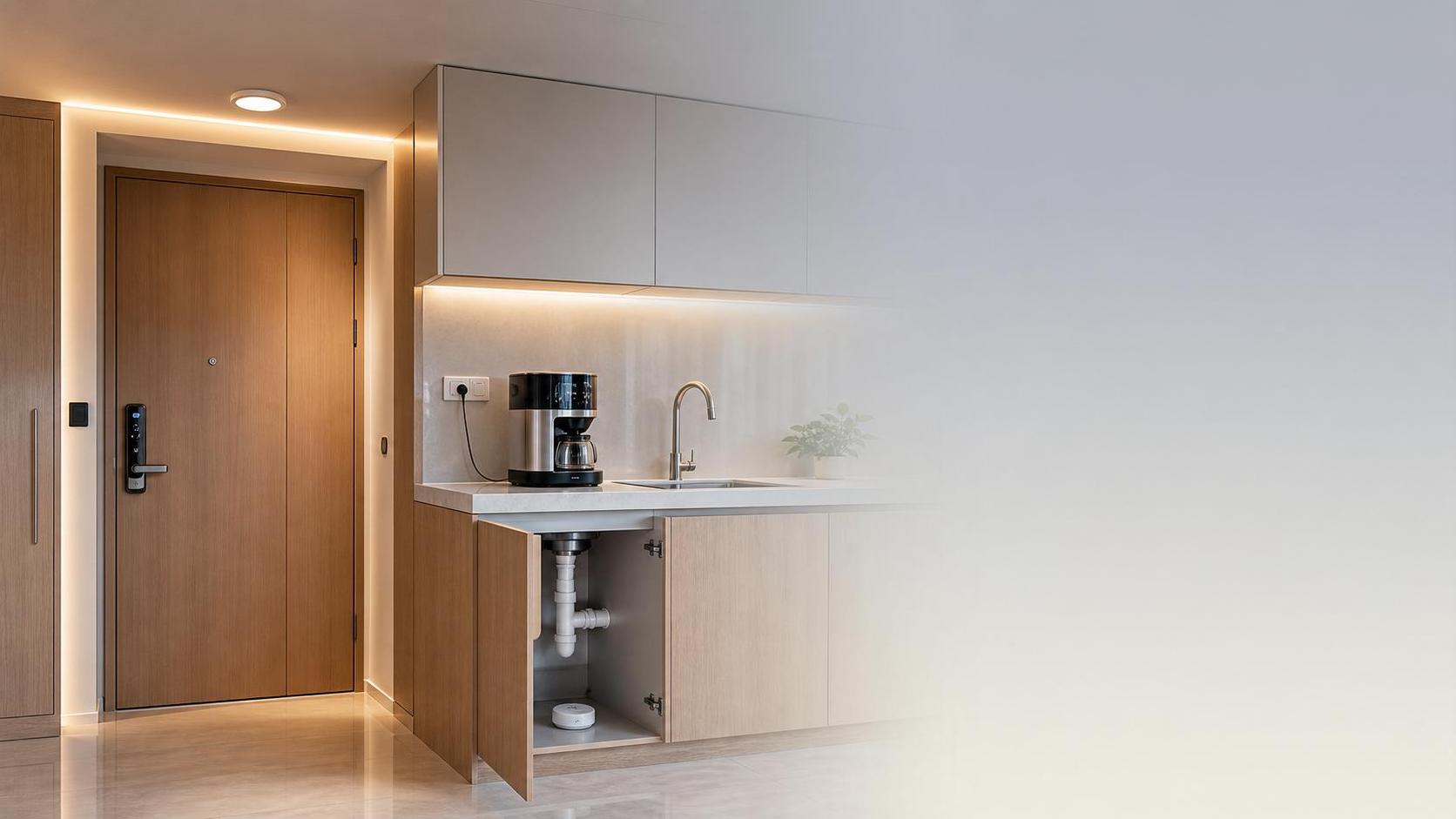
Apartment life rewards anything that saves time, reduces friction, and works quietly in the background. That is why smart living technology solutions have moved beyond novelty and into daily routines. In compact homes, every device needs to justify its place, so the most useful systems are not the flashiest ones. They are the ones that make lighting, comfort, security, water control, and cooking feel easier without demanding constant attention.
This shift also matters at an industry level. GIAM tracks how building materials, sanitary spaces, and connected kitchen and bath systems are converging with energy standards, water-saving priorities, and modern interior expectations. In apartments, that convergence becomes practical. A smart lock is no longer just a gadget. A leak sensor is no longer optional in many urban settings. Smart living technology solutions now sit at the meeting point of convenience, resilience, and better resource use.
What apartment-friendly smart systems really mean
In a detached house, a smart system may involve wide property coverage and major retrofits. In an apartment, the standard is different. Devices must be easy to install, renter-aware, compact, and compatible with shared building infrastructure.
That changes the buying logic. People usually look for smart living technology solutions that improve small, repeated moments. Entering the home. Waking up. Adjusting temperature. Checking deliveries. Avoiding water damage. Preparing meals after work.
The most practical systems tend to share three traits. They are simple to control, reliable during daily use, and flexible enough to work with future upgrades. If one device creates a new problem, it fails the apartment test.
Why this category is getting more attention
Urban housing is becoming denser, utility costs remain sensitive, and expectations around safety are rising. At the same time, wireless standards and app ecosystems have matured. That makes adoption easier than it was a few years ago.
There is also a broader design story behind the trend. GIAM’s intelligence focus on water-saving technologies, antibacterial surfaces, smart locks, and energy-aware spaces reflects a larger movement. Homes are being evaluated not only by appearance, but by how intelligently they perform.
For apartments, performance means balancing comfort with building realities. Walls are shared. Plumbing risks affect neighbors. Package delivery is frequent. Outdoor space may be limited. In that context, smart living technology solutions solve very specific urban problems.
The systems that add the most daily convenience
Smart lighting that adapts to routine
Lighting remains one of the easiest and most rewarding starting points. Smart bulbs, switches, and motion-based scenes can support morning routines, late-night movement, and mood changes across small spaces.
Convenience appears in subtle ways. Hallway lights turn on at low brightness at night. Living room scenes shift for reading or streaming. Timers simulate occupancy during travel. These are simple functions, but they remove repeated micro-decisions.
Climate control that avoids waste
Smart thermostats, radiator controls, and connected air-conditioning units are especially useful in apartments with irregular schedules. They help avoid cooling or heating empty rooms and make comfort more predictable before arrival.
This is where smart living technology solutions connect directly with energy awareness. Even without a full building management system, apartment residents can reduce unnecessary runtime and monitor patterns more clearly.
Smart locks and access control
Apartment entry is a high-frequency moment, so access technology has obvious value. Keyless locks, temporary codes, remote unlocking, and entry logs support deliveries, visitors, cleaners, and family schedules without extra key management.
The strongest benefit is not only convenience. It is clarity. People know who entered, when access was used, and whether the door was locked. In dense buildings, that peace of mind matters every day.
Water leak sensors and smart shutoff tools
Few apartment problems are as disruptive as unnoticed leakage. A failed hose under a sink or washing machine can damage flooring, cabinets, and neighboring units. Because of that, leak detection delivers value far beyond its small size.
This is one of the smartest living technology solutions for kitchens, bathrooms, and laundry corners. Alerts arrive quickly, and some systems can trigger shutoff actions. In buildings where water risk carries shared consequences, that response speed is crucial.
Connected kitchen devices that reduce small frictions
Not every connected appliance adds real value. The useful ones shorten common tasks or improve control in limited kitchen space. Smart ovens, precision cookers, connected coffee machines, and energy-monitoring plugs can help when they solve a routine problem.
GIAM’s attention to smart kitchen and bath systems is relevant here. The best kitchen technology is not about novelty screens. It is about cleaner workflows, better timing, safer shutoff, and efficient use of power and water.
Where convenience becomes real in everyday apartment settings
The pattern is clear. The most valuable smart living technology solutions address recurring apartment situations, not abstract future possibilities. They fit routines already in place and make those routines smoother.
What to evaluate before choosing a system
A good device in the wrong apartment can still be a bad purchase. Before choosing, it helps to judge systems through the realities of installation, maintenance, and long-term compatibility.
- Check installation limits, especially lease rules, door hardware restrictions, and electrical access.
- Prefer products that work manually when the app, internet, or cloud service fails.
- Review platform compatibility so lighting, locks, sensors, and climate devices can share routines.
- Look at data privacy, firmware support, and the manufacturer’s update history.
- Start with one pain point, then expand only when the first layer proves reliable.
This matters because convenience can disappear quickly when systems are fragmented. Five disconnected apps and inconsistent alerts do not create a smart home. They create digital clutter.
How building trends shape apartment decisions
The conversation is no longer only about electronics. Materials, plumbing design, energy standards, and health-focused interiors now influence what makes a system worthwhile. GIAM’s industry perspective is useful precisely because these layers are increasingly connected.
For example, a water-saving bathroom fixture gains more value when paired with leak monitoring. A smart kitchen appliance becomes more relevant when energy tariffs fluctuate. A lock matters more when access control ties into building-wide security expectations.
In other words, smart living technology solutions should be read as part of spatial intelligence, not just consumer electronics. The apartment is a living system where hardware, utilities, and interior use all interact.
A practical way to move forward
The best next step is not buying the largest bundle. It is mapping the friction points that happen most often. Entry trouble, uneven comfort, leak risk, lighting inconvenience, and kitchen timing problems usually reveal where value will appear first.
From there, compare smart living technology solutions by three measures: daily usefulness, ease of integration, and resilience over time. If a device saves effort every week, works with the apartment’s physical limits, and still functions during disruptions, it deserves attention.
For anyone following smarter urban living, that approach offers a more durable standard than chasing features. It keeps convenience grounded in real use, aligns with wider building trends, and helps turn a small home into a better-performing space.
Industry Briefing
Get the top 5 industry headlines delivered to your inbox every morning.