
Where spatial intelligence for construction saves time onsite
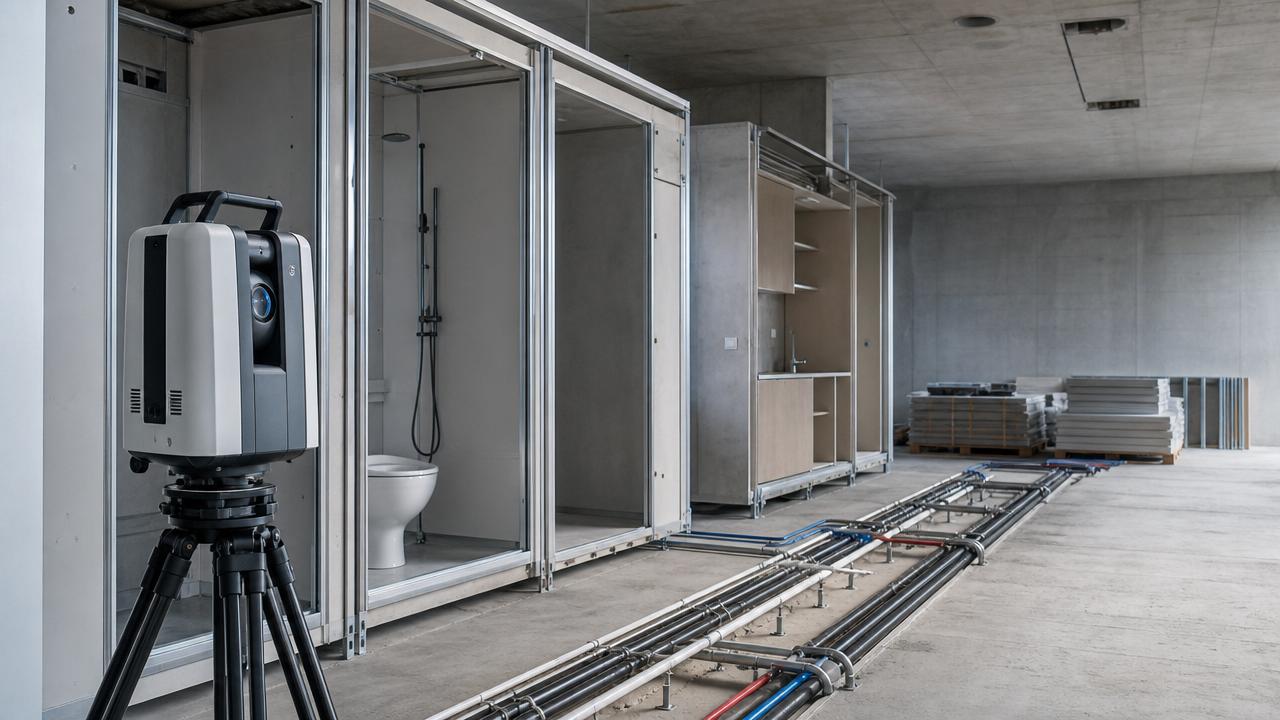
For project leaders under pressure to deliver faster, safer, and with tighter cost control, spatial intelligence for construction is becoming a practical advantage onsite. By turning layout data, material planning, and real-time site conditions into clear decisions, teams can reduce delays, avoid rework, and improve coordination across every construction phase. In a market where building systems are more integrated and expectations for quality are rising, spatial intelligence is no longer just a digital layer. It is increasingly the operating logic behind faster installation, cleaner handovers, and more predictable project outcomes.
Why spatial intelligence for construction is moving from innovation to onsite necessity
Across the wider building industry, projects now combine stricter energy standards, tighter urban schedules, modular components, and more complex interior systems. Core materials, sanitary spaces, and smart kitchen and bath installations must fit together with far less tolerance for error than before. This is where spatial intelligence for construction creates measurable value: it connects design intent with field execution through accurate site visibility, coordinated dimensions, and decision-ready information.
The shift is also cultural. Construction teams are no longer satisfied with static drawings that become outdated once work begins. They need living spatial data that reflects access routes, installation sequences, storage constraints, mechanical conflicts, and changing field conditions. When spatial intelligence is applied well, site teams gain a shared picture of what should happen, what is happening, and what may go wrong next. That visibility saves time onsite because fewer decisions are made in confusion.
For sectors tied to residential civilization and commercial space evolution, this matters even more. Premium finishes, antibacterial materials, water-saving systems, and smart devices all depend on installation accuracy. A small layout mismatch can delay multiple trades. Spatial intelligence reduces that risk by aligning measurements, sequencing work, and highlighting clashes before labor and material are wasted in the field.
The strongest trend signals behind faster adoption onsite
Several industry signals show why spatial intelligence for construction is gaining momentum. First, project timelines have compressed while stakeholder expectations have expanded. Second, digital models are no longer isolated to design offices; they are increasingly linked to procurement, logistics, and installation control. Third, the demand for greener buildings and smarter interiors requires better coordination among materials, fixtures, and systems. In practical terms, spatial intelligence helps connect these pressures into a manageable workflow.
Another important signal is the rising cost of rework. On many sites, the most expensive delays are not caused by one major failure but by repeated minor misalignments: wrong clearances, poor handoff between trades, inaccessible service zones, or late recognition of dimensional conflicts. Spatial intelligence for construction helps teams catch these issues earlier, when adjustments are cheaper and less disruptive.
Key forces accelerating this shift
Where spatial intelligence for construction saves the most time in real project conditions
Spatial intelligence for construction delivers the biggest time savings where complexity and coordination overlap. This often begins before crews arrive onsite. If layout data is connected to material quantities, access planning, and installation sequencing, teams can stage work in a way that reduces waiting time and unnecessary movement. Instead of reacting to congestion, they can plan around it.
Onsite, the most common gains appear in five areas:
- Clash prevention: detecting conflicts among structural elements, piping, fixtures, cabinetry, and service routes before installation.
- Layout verification: confirming dimensions, clearances, and placement for walls, sanitary systems, and smart interior components.
- Material flow planning: matching delivery timing and storage zones to real spatial constraints.
- Trade sequencing: organizing which activity happens first in tight zones to avoid crew overlap and idle time.
- Issue visibility: identifying deviations quickly so corrections happen before they affect downstream work.
These savings are especially relevant in bathrooms, kitchens, utility rooms, hospitality interiors, healthcare spaces, and mixed-use commercial projects. Such environments contain dense layers of materials, water systems, fittings, and aesthetic requirements. The more precise the environment, the greater the value of construction spatial intelligence in protecting schedule certainty.
How the impact spreads across design, procurement, installation, and handover
The benefit of spatial intelligence for construction is not limited to one project stage. It improves continuity from concept to completion. During design coordination, it helps confirm whether high-performance materials and smart systems can actually fit, connect, and remain serviceable in the built space. During procurement, it supports better quantity validation and lowers the risk of ordering based on outdated assumptions.
During installation, the effect becomes more visible. Crews spend less time interpreting ambiguous information, revisiting completed work, or waiting for decisions. Supervisors can compare planned and actual conditions more quickly, making field adjustments with less disruption. By the handover stage, better spatial control often leads to cleaner finishes, fewer snagging items, and smoother commissioning of smart living systems.
In broader market terms, this has implications for quality positioning as well. Projects that use spatial intelligence well are better placed to deliver premium interiors, efficient sanitary spaces, and advanced kitchen and bath solutions without losing schedule discipline. That combination increasingly matters in both residential and commercial building value chains.
Typical effects by business link
What deserves closer attention as adoption expands
Not every digital construction effort delivers real onsite speed. The difference lies in whether spatial intelligence becomes actionable. To create value, attention should remain on the decisions that affect time, fit, safety, and waste reduction. The following priorities matter most:
- Use current site data, not static assumptions carried over from earlier design stages.
- Focus on high-risk zones first, especially service-dense areas and finish-sensitive interiors.
- Connect spatial review to procurement timing, delivery access, and installation sequence.
- Measure performance through reduced rework, fewer clashes, and shorter approval cycles.
- Ensure data can support sustainability goals such as lower waste, lower transport friction, and better lifecycle readiness.
Platforms with strong market and material intelligence can add further value here. By combining knowledge of evolving building standards, premium material demand, and smart space integration, decision-making becomes more grounded. This is particularly useful when selecting systems that must balance performance, cost, visual quality, and installation practicality.
A practical way to judge the next move
A useful next step is to assess where spatial intelligence for construction can remove the most friction first, rather than trying to transform every workflow at once. The best starting points are usually recurring delay points: bathrooms with dense service coordination, kitchens with appliance integration, interior fit-outs with premium finish tolerance, or commercial zones where many trades overlap in small footprints.
- Map the three most common sources of onsite delay related to space, access, or coordination.
- Identify which of those issues could have been detected earlier with better spatial visibility.
- Prioritize one project zone where rework cost is high and dimensional accuracy is critical.
- Review whether materials, sanitary systems, and smart devices are being planned as connected spatial assemblies rather than separate items.
- Track improvements in cycle time, waste, and handover quality after implementation.
As construction becomes more data-led and interior systems become more integrated, the value of spatial intelligence will continue to grow. The projects that benefit most will be the ones that treat it as a decision framework, not just a visualization tool. In that context, spatial intelligence for construction is not simply about seeing space better. It is about building faster, with greater confidence, and with fewer costly surprises onsite.
Industry Briefing
Get the top 5 industry headlines delivered to your inbox every morning.