
Why hydraulic design for energy-efficient buildings matters
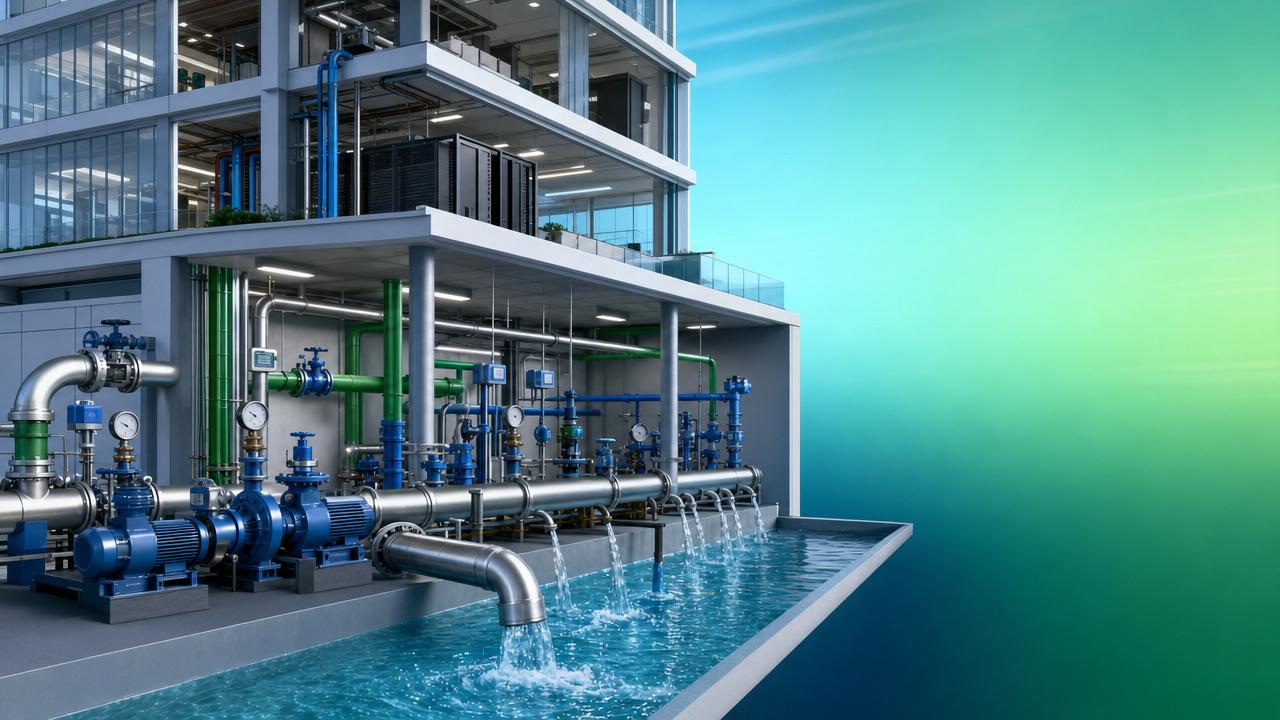
As building performance standards tighten, hydraulic design for energy-efficient buildings has become a critical factor in reducing operational energy use, improving occupant comfort, and ensuring long-term system reliability.
For technical evaluation, hydraulic planning determines how efficiently water, heat, and pressure move across complex residential, commercial, hospitality, healthcare, and mixed-use spaces.
This article explores why optimized hydraulic systems matter, how they support carbon reduction, and which criteria help identify smarter, resilient building solutions.
Why hydraulic design for energy-efficient buildings is becoming a performance benchmark
Buildings are no longer judged only by architecture, finishes, or mechanical equipment capacity.
Operational performance now depends on how systems interact under real load, seasonal variation, and changing occupancy patterns.
Hydraulic design for energy-efficient buildings connects water distribution, heating, cooling, pressure control, and equipment sequencing into one measurable performance layer.
Poor hydraulic balance forces pumps, boilers, chillers, and control valves to work harder than necessary.
The result is higher electricity use, unstable temperatures, excessive noise, premature component wear, and uneven comfort.
In contrast, hydraulic design for energy-efficient buildings reduces hidden waste by matching flow, pressure, and demand with precision.
This makes hydraulic planning a strategic issue for green buildings, smart interiors, and long-life commercial assets.
Trend signals reshaping hydraulic performance expectations
Several market signals show why hydraulic design for energy-efficient buildings is moving from engineering detail to board-level infrastructure concern.
Energy codes are tightening, carbon reporting is expanding, and water conservation is becoming linked with property value.
Smart meters, sensors, and building management platforms also expose performance gaps that previously remained invisible.
Once flow instability becomes data, inefficient hydraulic design becomes a measurable cost, not an abstract technical risk.
This shift is especially visible in high-density housing, hotels, campuses, hospitals, data-linked workplaces, and premium retail environments.
These projects require stable water pressure, reliable hot water delivery, efficient thermal loops, and rapid system diagnostics.
Hydraulic design for energy-efficient buildings supports these demands while reducing oversizing, commissioning delays, and long-term operating uncertainty.
What is driving stronger demand for optimized hydraulic systems
The rise of hydraulic design for energy-efficient buildings is shaped by regulation, economics, technology, and user expectations.
These drivers make hydraulic design for energy-efficient buildings essential during planning, renovation, certification, and operational optimization.
They also change how core building materials, sanitary spaces, and smart kitchen and bath systems are assessed.
How hydraulic design influences energy use and comfort
Energy-efficient buildings often invest heavily in insulation, glazing, heat pumps, and digital controls.
Yet these investments underperform when hydraulic circuits are oversized, poorly balanced, or difficult to commission.
Hydraulic design for energy-efficient buildings ensures that pumps deliver only the flow required by actual demand.
It also helps valves operate within controllable ranges, reducing hunting, noise, and temperature fluctuations.
In heating and cooling networks, optimized hydraulic layouts improve delta-T performance and reduce unnecessary circulation energy.
In sanitary spaces, balanced pressure supports efficient fixtures, stable showers, hygienic flushing, and reduced leakage risk.
In smart kitchens and bath systems, stable supply conditions improve sensor accuracy, appliance reliability, and water-saving performance.
Therefore, hydraulic design for energy-efficient buildings strengthens both technical efficiency and the lived experience of interior environments.
Key mechanisms behind measurable savings
- Lower pump power through correct pipe sizing and reduced pressure loss.
- Better heat transfer through stable flow and temperature differentials.
- Reduced bypassing caused by poor balancing or excessive differential pressure.
- Fewer complaints from uneven comfort, delayed hot water, or pressure drops.
- Longer component life due to controlled velocities and reduced cavitation risk.
Impacts across building materials, systems, and operations
The influence of hydraulic design for energy-efficient buildings extends beyond mechanical rooms.
It affects specification choices for pipes, valves, fittings, pumps, sanitary fixtures, water heaters, and control devices.
It also affects construction sequencing, commissioning quality, maintenance planning, and digital building intelligence.
When hydraulic performance is treated early, projects can avoid costly redesigns and disruptive retrofits.
When it is ignored, hidden inefficiencies often appear after occupation, when corrections become expensive and reputationally sensitive.
- Design stage: Hydraulic calculations define realistic equipment capacity and distribution logic.
- Material selection: Pressure ratings, corrosion resistance, and flow characteristics become critical.
- Construction: Installation accuracy determines whether planned hydraulic balance can be achieved.
- Commissioning: Testing verifies flow rates, pressures, temperatures, and control responses.
- Operation: Monitoring identifies drift, leaks, fouling, and abnormal energy consumption.
This whole-life perspective explains why hydraulic design for energy-efficient buildings is central to resilient spatial evolution.
Evaluation criteria for smarter hydraulic planning
A strong assessment should examine more than pump nameplate efficiency or pipe diameter.
Hydraulic design for energy-efficient buildings requires integrated review across load profiles, controls, maintainability, and future adaptability.
These criteria make hydraulic design for energy-efficient buildings easier to compare across projects, suppliers, and retrofit strategies.
Priority focus areas for enterprises and practitioners
The next phase of green construction will reward systems that combine measurable efficiency with practical reliability.
Hydraulic design for energy-efficient buildings should therefore be linked with product development, project intelligence, and lifecycle service models.
- Digital modeling: Use simulation to test pressure drops, diversity factors, and control behavior.
- Efficient components: Select pumps, valves, and fixtures compatible with variable-flow operation.
- Commissioning discipline: Verify design intent through measured flow, pressure, and temperature data.
- Water hygiene: Balance efficiency with stagnation prevention and safe temperature control.
- Interoperability: Connect hydraulic data with building management and smart interior platforms.
- Material resilience: Consider corrosion, scaling, chemical compatibility, and long service life.
These priorities align with a broader shift toward integrated building intelligence and lower-carbon spatial systems.
How future decisions should be framed
Short-term cost comparisons can underestimate the value of hydraulic design for energy-efficient buildings.
A better decision framework considers energy, water, comfort, maintenance, carbon reporting, and adaptability together.
This approach turns hydraulic design for energy-efficient buildings into a repeatable evaluation discipline, not a late-stage correction task.
GIAM perspective on hydraulic intelligence and spatial evolution
The Global Interior & Architectural Matrix observes hydraulic performance as part of a wider transformation in residential and commercial space.
Core materials, sanitary systems, smart kitchen equipment, and digital controls are becoming interconnected infrastructure assets.
Hydraulic design for energy-efficient buildings gives these assets the stable operating foundation needed for real-world efficiency.
Through sector intelligence, material science insight, and hydraulic expertise, GIAM tracks how standards, tariffs, technologies, and demand patterns evolve.
This intelligence helps connect construction fundamentals with modern interior aesthetics, green materials, and smart living standards.
In that context, hydraulic design for energy-efficient buildings is not isolated engineering.
It is a foundation for lower emissions, safer spaces, stronger brands, and more intelligent built environments.
Next steps for resilient and efficient building systems
The practical next step is to audit hydraulic assumptions before equipment and material decisions become locked.
Review flow calculations, pressure zones, balancing strategy, sensor placement, and commissioning requirements as one connected system.
For renovations, compare measured operating data with original design intent to identify wasted pumping, poor balancing, or unstable control loops.
For new projects, require hydraulic performance evidence during design review, not only after installation.
Hydraulic design for energy-efficient buildings will increasingly define whether green construction promises become verified operational results.
Use GIAM intelligence to monitor standards, compare system strategies, and align building decisions with the future of spatial intelligence.
Industry Briefing
Get the top 5 industry headlines delivered to your inbox every morning.