
Architectural Material Trends That May Age Faster Than Expected
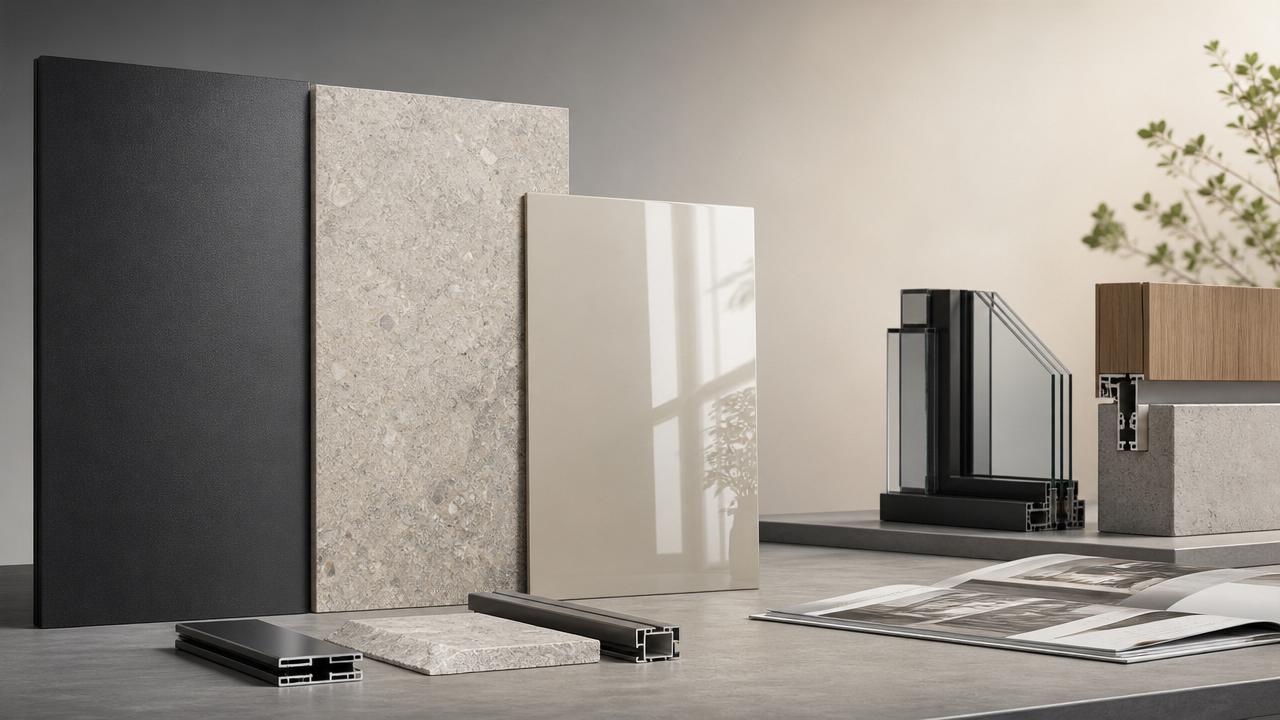
Architectural material trends often promise timeless appeal, yet some solutions can lose relevance far sooner than expected. For researchers tracking design longevity, cost efficiency, and market direction, understanding which materials may age quickly is essential. This article explores the finishes, surfaces, and systems most vulnerable to rapid aesthetic or functional decline, helping decision-makers assess risks before they shape tomorrow’s residential and commercial spaces.
Why a checklist works better than trend hype
When people discuss architectural material trends, they often focus on what looks new rather than what will still perform, sell, and photograph well five years later. That is a costly mistake. In residential and commercial projects, short-lived finishes can trigger faster renovation cycles, weaker asset positioning, higher maintenance pressure, and reduced buyer confidence. For information researchers, the goal is not to predict style with perfect accuracy. It is to identify the warning signs that a material trend may age faster than expected.
A checklist-based review helps because material relevance is shaped by several factors at once: visual fatigue, cleaning difficulty, code evolution, sustainability scrutiny, replacement cost, and compatibility with smart or water-saving systems. Instead of asking whether a finish is “popular,” it is more useful to ask whether it is flexible, durable, easy to maintain, and likely to survive changes in user taste and building standards.
First-screen checklist: what to confirm before trusting any material trend
Before assessing specific architectural material trends, researchers should verify a core set of decision points. These checks help separate a durable direction from a short-term visual wave.
- Check whether the appeal is mainly social-media driven. If the material’s popularity depends on dramatic lighting, heavy editing, or novelty-driven showroom presentation, it may lose momentum once exposure becomes common.
- Confirm maintenance reality. Surfaces that show fingerprints, water spots, grout discoloration, edge chipping, or uneven wear often age quickly in everyday use.
- Review installation sensitivity. Materials requiring highly specialized labor or perfect site conditions can look premium at handover but degrade visually when detailing is inconsistent.
- Assess replacement compatibility. If matching future batches, colors, patterns, or modules will be difficult, long-term repair risk rises.
- Test adaptability across project types. Some trends work in boutique hospitality or luxury show units but feel forced in mainstream housing, offices, schools, or healthcare settings.
- Check sustainability exposure. Materials criticized for high embodied carbon, poor recyclability, chemical concerns, or short service life can become less attractive as procurement standards tighten.
- Look for code and performance pressure. Fire safety, slip resistance, hygiene demands, acoustic control, and water efficiency can make visually trendy materials less viable over time.
Architectural material trends that may fade faster than expected
1. Ultra-dark matte surfaces
Blackened stone, deep charcoal cabinetry, and matte dark sanitary or kitchen finishes became popular because they signal sophistication. Yet these architectural material trends can age quickly when maintenance realities appear. Hard water stains, soap residue, finger marks, scratches, and dust are far more visible on dark matte surfaces than on balanced mid-tone finishes. In high-use kitchens, bathrooms, and public washrooms, the “luxury” effect can turn into a constant cleaning burden. Researchers should also note that dark trends tend to be visually cyclical: strong for a period, then replaced by warmer and more forgiving palettes.
2. Overly patterned stone-look and terrazzo exaggerations
Large-scale veining and oversized aggregate effects have strong showroom impact, but not every bold surface becomes a lasting standard. When pattern scale dominates the room, projects can begin to feel tied to a very specific era. This is especially true where dramatic slabs or terrazzo graphics are repeated across floors, walls, counters, and wet areas without visual restraint. The issue is not stone-look design itself, but visual saturation. Highly expressive surfaces often date faster than quiet textures because they leave less room for future furniture, lighting, or branding changes.
3. Industrial raw finishes used beyond their natural context
Exposed concrete aesthetics, weathered metal, and intentionally unfinished textures gained popularity through loft-inspired design language. However, one of the most misunderstood architectural material trends is the attempt to apply industrial roughness everywhere. In residential environments, schools, wellness spaces, and premium retail, these surfaces can feel cold, acoustically harsh, or operationally difficult. They may also conflict with growing demand for comfort, biophilic softness, and hygienic clarity. If a material trend relies too heavily on a borrowed lifestyle image rather than actual user need, it is vulnerable to faster decline.
4. High-gloss reflective finishes in practical zones
Gloss finishes periodically return because they enhance brightness and suggest cleanliness. But in practice, highly reflective wall panels, polished cabinets, or shiny floor surfaces can show scratches, smudges, and visual distortion quickly. In commercial settings, glare can also become a usability issue. In wet areas, a glossy product may remain attractive only if anti-slip and cleaning performance are carefully verified. Researchers evaluating architectural material trends should treat shine as a strategic accent, not automatically as a durable base language.
5. Trend-led imitation materials with weak tactile credibility
Some products gain attention by imitating wood, stone, metal, or handcrafted texture at low cost. Yet if the printed image, embossing depth, edge treatment, and joint logic are not convincing, the material can age badly once users experience it up close. This is a common problem in value-engineered fit-outs. The initial visual message promises natural richness, but the long-term perception becomes artificial. In an era of better material literacy and closer digital scrutiny, low-authenticity imitation may lose market power faster than expected.
6. Smart surface features without clear upgrade pathways
Not all fast-aging material risk is visual. Some architectural material trends include integrated lighting, touch functions, antimicrobial coatings, sensor-based fixtures, or connected control layers that seem advanced at launch but become outdated if maintenance support, software compatibility, or replacement parts are weak. In kitchen, bath, and access-control systems, short innovation cycles can make first-generation “smart” finishes feel obsolete well before the base construction reaches midlife. Functional novelty without lifecycle planning is a major aging risk.
Quick evaluation table for researchers
The table below translates architectural material trends into practical judgment criteria that can be used during market scanning, supplier review, or project benchmarking.
Scenario-specific checks: where fast-aging trends cause the most damage
Residential projects
In housing, architectural material trends should be tested against daily life rather than showroom impact. Families notice stain resistance, touch comfort, ease of replacement, and neutrality for resale. A trend-heavy kitchen or bathroom may look premium initially but can narrow future buyer appeal if colors, fixtures, and surfaces feel too locked into one design moment.
Commercial offices and mixed-use buildings
Here, the main concern is adaptation. Tenants change, branding evolves, and maintenance teams need efficiency. Architectural material trends that require constant cosmetic upkeep or are too visually specific can increase churn costs. Flexible neutrals with durable performance typically outlast statement-driven fit-outs.
Hospitality and retail
These sectors can tolerate stronger visual identity, but only if the trend supports the brand story and operational reality. A finish that photographs well but degrades under traffic, humidity, or cleaning chemicals will age rapidly. Researchers should compare design ambition with replacement cycle economics.
Healthcare, education, and public service spaces
In these settings, fast-aging trends are particularly risky because hygiene, accessibility, safety, and lifecycle value outweigh visual novelty. Materials that interfere with cleaning protocols or become visually worn under heavy use should be treated with caution, even if they are currently prominent in broader architectural material trends.
Common blind spots that distort material trend judgment
- Confusing luxury cues with long-term value. Expensive appearance does not guarantee durable relevance.
- Relying on renderings instead of post-occupancy evidence. Materials often behave differently after real use begins.
- Ignoring regional water conditions, climate, or cleaning habits. These can accelerate visible aging dramatically.
- Underestimating specification drift. A concept may look timeless, but substituted products can make the result feel dated quickly.
- Evaluating style without considering standards. Carbon disclosure, health certifications, and water-efficiency expectations can reshape demand faster than aesthetics alone.
Practical execution advice for better material screening
If your team is analyzing architectural material trends for sourcing, publishing, investment, or project planning, prioritize evidence over excitement. Ask suppliers for aging simulations, maintenance instructions, replacement consistency data, and references from occupied projects. Compare visual trend strength with lifecycle cost and compliance resilience. It is also wise to distinguish between “signature elements” and “field materials.” A brand can afford limited trend expression in focal areas, but large-area base materials should usually favor flexibility and operational endurance.
For organizations tracking global building materials, sanitary systems, and smart kitchen and bath applications, the strongest research approach combines market observation with technical review. Look not only at what is appearing in launches and exhibitions, but also at what is being retained in repeat specifications, public procurement, and long-term renovation strategies. Durable relevance leaves a different signal than short-cycle novelty.
FAQ: fast answers about architectural material trends
How can you tell if a material trend is likely to age fast?
Check for high maintenance visibility, narrow stylistic identity, low repair flexibility, weak sustainability positioning, and poor compatibility with future upgrades. If several of these risks appear together, the trend may have a short effective life.
Are all bold architectural material trends a bad choice?
No. Bold materials can work well when used selectively, supported by durable performance data, and balanced with timeless surrounding elements. The problem is overapplication, not always the concept itself.
What matters more: aesthetic longevity or technical longevity?
Both matter, but the best decisions align them. A material that lasts physically but feels outdated too quickly still creates commercial inefficiency. Likewise, a beautiful finish with poor technical resilience can fail operationally.
Next-step questions to prepare before moving forward
Before finalizing any material direction, prepare a short decision file covering these points: expected service life, maintenance routine, replacement availability, sustainability credentials, code alignment, smart-system compatibility, and target-user tolerance for visible wear. If you need deeper confirmation, prioritize discussions around specification parameters, project scenario fit, budget range, lead time, after-sales support, and multi-market adaptability. In a fast-changing built environment, the most reliable architectural material trends are usually not the loudest ones, but the ones that continue to perform after fashion has moved on.
Industry Briefing
Get the top 5 industry headlines delivered to your inbox every morning.