
China-UAE Direct Sea Route Cuts Building Materials Transit by 7-10 Days
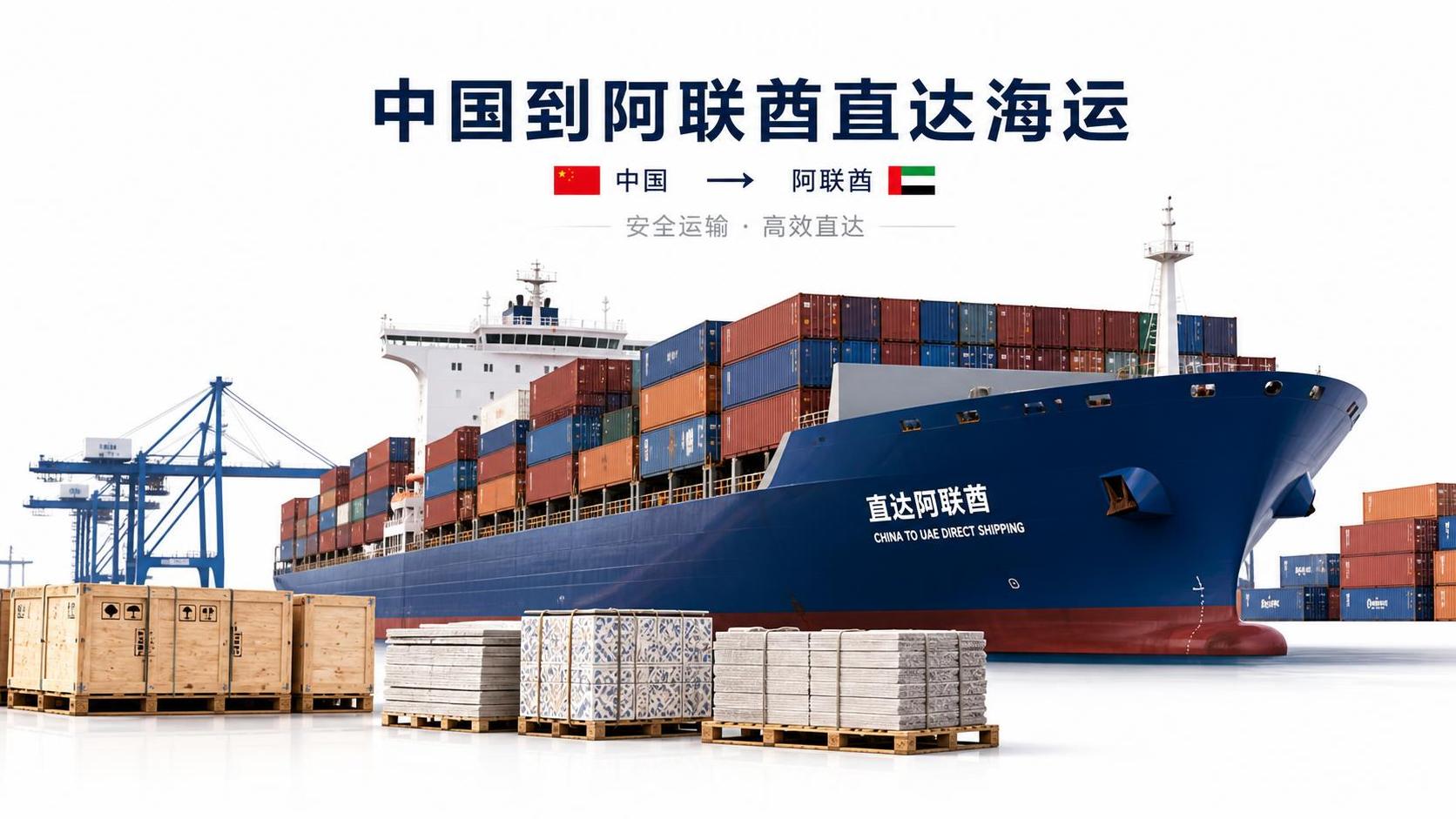
On August 11, 2026, China and the United Arab Emirates officially opened a direct sea route for building materials and home products linking Shenzhen Port and Jebel Ali Port. According to the information provided for this article, the route is the first dedicated direct service for this product category and includes higher-standard temperature control as well as cargo space designed for wood and ceramic goods.
The most immediate change is transit time. Average ocean shipping time from production areas in Guangdong and Fujian to the Middle East is expected to fall from 32 days to within 25 days. For exporters of building materials and smart sanitary ware, a reduction of 7 to 10 days is not only a logistics improvement; it can also affect delivery planning, order confirmation, and inventory coordination across the supply chain.
Why the route matters for exporters and buyers
For suppliers, shorter transit windows can improve responsiveness in a category where product variety, project schedules, and replacement orders often require tighter coordination than standard bulk cargo. The route also supports compliant declaration under an FOB plus LCL consolidation model, which may be especially relevant for exporters handling mixed shipments or smaller batch orders.
From the buyer side, the benefit is likely to be operational rather than symbolic. Importers, distributors, and procurement teams for large EPC projects may be able to plan stock levels with greater precision and make delivery commitments with less buffer time. If the route performs as described over time, part of the value will come from reducing uncertainty rather than only reducing days at sea.
Lower clearance and damage risk could be as important as faster transit
The information provided also points to lower customs delay risk and lower breakage risk. That deserves attention because building materials and sanitary products are sensitive to handling conditions, packaging integrity, and cargo compatibility. Dedicated storage conditions for wood and ceramic cargo may help address a common pain point in cross-border shipments: goods arriving on time but with quality or documentation issues that delay final delivery.
In practical terms, this means the route could support better schedule reliability for products where a damaged shipment or a clearance hold can disrupt installation timelines. For project-based procurement, that reliability may matter as much as headline transit time.
What the industry should watch next
Based on the current information, the launch sends a clear signal that logistics design is becoming more specialized for home and building product exports. The next question is whether the route can maintain stable service performance over time, particularly in handling mixed cargo, preserving product condition, and supporting smoother customs processes in real operations.
Further industry assessment will likely depend on follow-up public information such as official announcements, company disclosures, port operation updates, and authoritative media reporting related to service frequency, actual delivery performance, and user adoption. At this stage, the confirmed facts support one near-term conclusion: the new direct route has the potential to improve shipping efficiency and delivery planning for China-to-Middle East trade in building materials and smart sanitary ware, while its broader market impact will depend on execution over time.
Industry Briefing
Get the top 5 industry headlines delivered to your inbox every morning.