
How Are Rising Material Costs Affecting the Construction Industry?
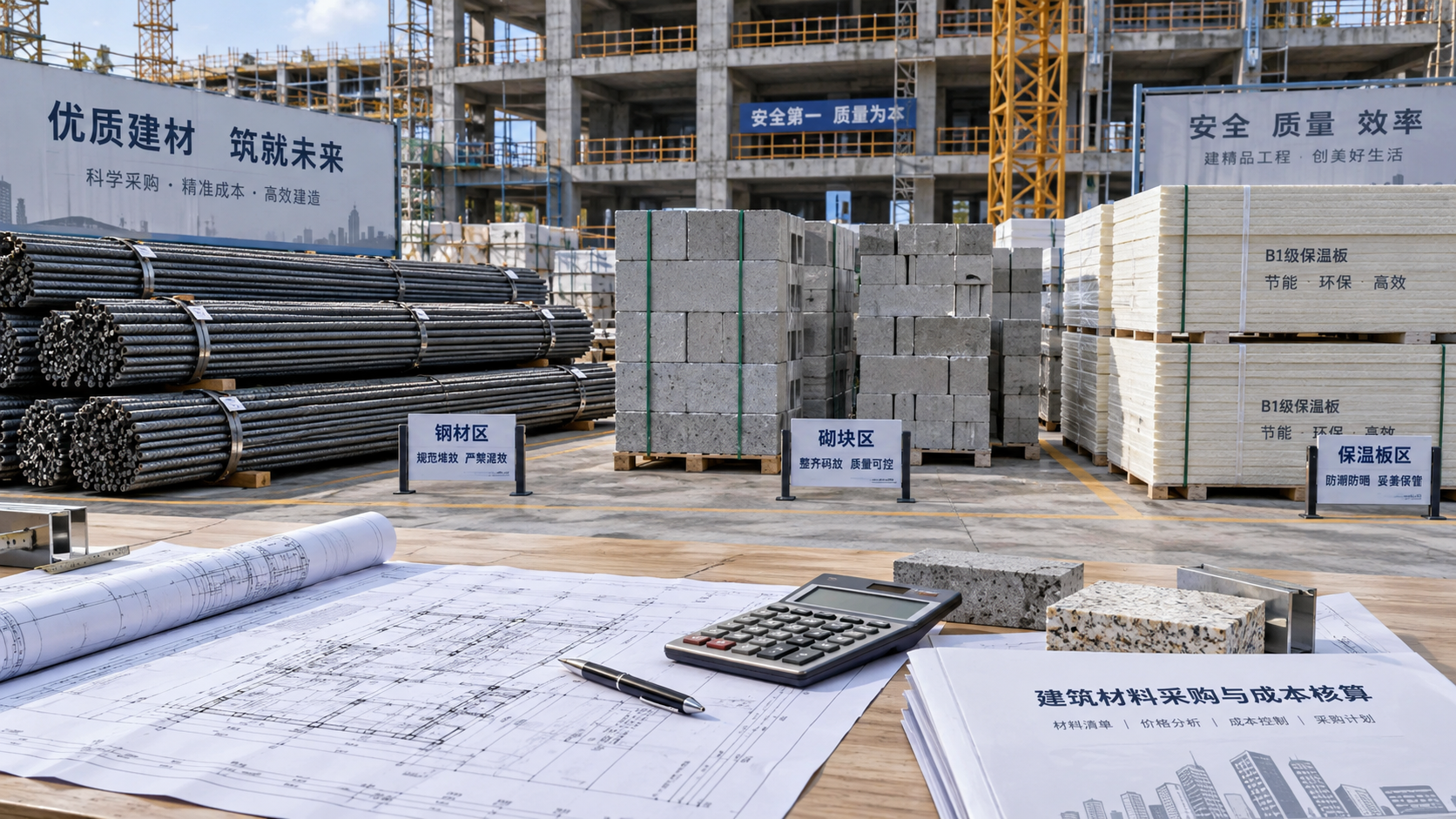
A construction estimate can look workable at tender stage and become difficult to deliver when steel, concrete, insulation, or finish packages are ordered. Rising material costs increase project budgets, compress contractors’ margins, and make procurement and scheduling less predictable. Developers may postpone projects, reduce scope, or reconsider viability, while manufacturers face pressure to absorb higher production costs or pass them on.
How are rising material costs affecting the construction industry? The central effect is a widening gap between the assumptions used to price a project and the cost of completing it. Managing that gap requires more than finding cheaper materials: teams need current package-level estimates, clear allocation of price risk, and substitutions assessed against installed cost, performance, and delivery requirements.
Where higher prices turn into project losses
Material inflation does not affect every project equally. Exposure depends on the materials specified, the procurement timeline, the contract terms, and whether suppliers have committed to prices. A project with major unpurchased structural packages is in a different position from one whose materials are already secured.
Under a fixed-price contract, a contractor may have limited ability to recover increases occurring after the bid. Unless the agreement provides an applicable adjustment mechanism, those increases can consume the allowance intended for profit and unforeseen work. Under arrangements that allow some cost increases to pass through, the owner may carry more exposure, but documentation and approval requirements still matter.
Higher material prices also raise working-capital needs. Supplier deposits and payments may become due before the contractor receives corresponding progress payments. Buying early can reduce price uncertainty while creating a separate cash-flow problem, particularly when goods must be stored rather than installed immediately.
The effects extend beyond the materials budget
For developers, higher construction costs can weaken project feasibility. Financing, land, and professional fees still need to be covered, while expected rents or sales proceeds may not rise enough to compensate. The resulting decision may be to redesign, phase construction, seek additional funding, or defer the project. Cost inflation therefore affects which projects proceed, not just what individual projects cost.
Contractors face a bidding dilemma. Using optimistic material allowances can produce an attractive tender but leave little protection during delivery. Adding a broad risk premium may reduce competitiveness without accurately reflecting exposure. Shorter quotation validity periods and qualifications can make comparisons harder for owners, especially when bidders allocate price risk differently.
Manufacturers and distributors experience pressure from both directions. Energy, raw materials, packaging, and transport can increase production costs, while buyers seek discounts, longer payment terms, or lower-cost specifications. Holding more inventory may improve availability, but it ties up capital and creates exposure if market prices fall or demand shifts.
The effects also reach occupants. Reduced project scope can mean fewer amenities, different finishes, or delayed delivery. However, rising material costs do not automatically translate into equivalent increases in property prices. Local demand, financing conditions, competition, and buyers’ ability to pay determine how much can be passed through.
Separate price inflation from scope and supply problems
A higher quotation is not always evidence that the same material has become more expensive. It may include revised quantities, a different specification, additional freight, tighter delivery requirements, or services excluded from the earlier quote. Comparing headline totals without reconciling these differences can lead to the wrong response.
Material prices can be influenced by energy costs, feedstock availability, freight capacity, exchange rates, tariffs, and local production conditions. These pressures affect products differently. Steel, cement, ceramic tiles, timber, and electronic components should not be treated as one uniform market, and local quotations may move differently from broader price indicators.
For each significant package, compare the original allowance with a current quotation on the same basis: quantity, grade, accessories, delivery location, taxes, installation scope, and payment terms. Record the quote’s validity and any exclusions. This separates genuine unit-price movement from design development or incomplete estimating.
Prioritize exposure rather than the loudest price increase. A sharp increase in a small accessory package may matter less than a modest increase in a large structural package. Rank uncommitted purchases by remaining value, procurement date, price uncertainty, and schedule importance. That ranking identifies where additional estimating and negotiation effort is most useful.
Procurement becomes a timing decision
Buying earlier can help when specifications are settled, quantities are reliable, and a supplier can make an enforceable commitment. It is less attractive when the design is changing, storage is unsuitable, or funding costs outweigh the likely benefit. Early purchasing should be treated as a commercial decision, not a default response to inflation.
A price commitment also needs careful reading. A purchase order may remain subject to freight adjustments, surcharges, or changes linked to shipment dates. Conversely, a supplier may hold a price only after receiving a deposit. Confirm the actual commitment before treating a package as protected from further increases.
Long-lead items require attention even when their direct material value is modest. A missing control component, valve, or compatible fixture can prevent commissioning and delay handover. Waiting for a lower price may cost more through extended site overhead, disrupted trade sequencing, or deferred occupancy.
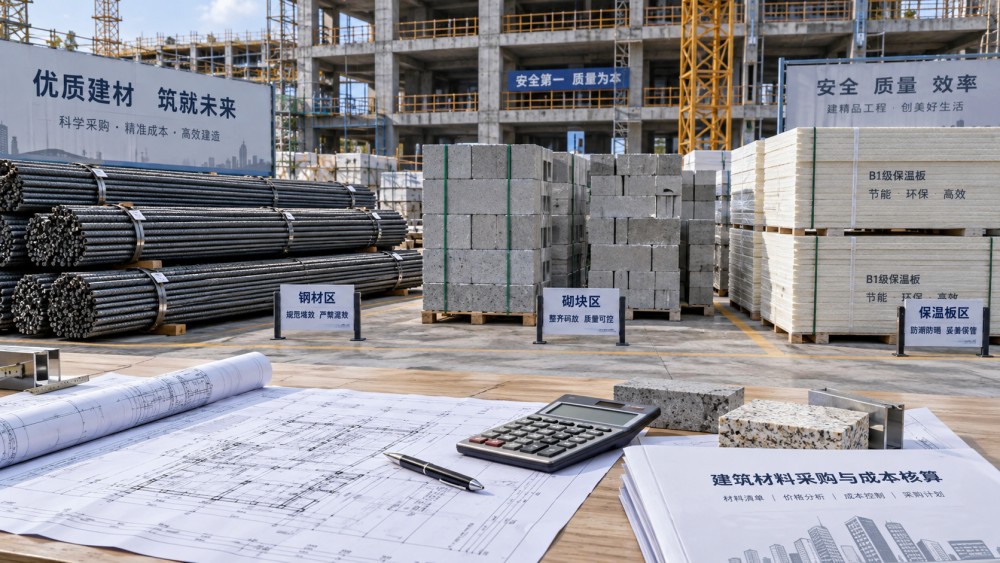
Before bringing purchases forward, resolve four questions:
- Is the specification stable? Buying before design approval can create unusable stock or costly changes.
- Is the delivery date dependable? A fixed price has limited value if late delivery disrupts critical work.
- Who carries storage risk? Establish responsibility for damage, insurance, inspection, and handling.
- Can the project fund the commitment? Include deposits, financing, and the timing of recoverable payments.
Alternative suppliers can improve resilience, but they must be qualified before they are needed. Check technical documentation, capacity, delivery terms, and warranty support. Imported alternatives also require a landed-cost comparison covering transport, duties, currency exposure, and clearance rather than factory price alone.
Value engineering without weakening the building
Material inflation often triggers value engineering, but reducing purchase price is only one way to lower cost. Standardizing dimensions, simplifying interfaces, reducing cutting waste, and removing unnecessary specification complexity can preserve performance while reducing quantities or installation effort.
For tile packages, review module sizes, layout, substrate preparation, cutting requirements, and breakage allowances alongside product price. A lower-priced tile may not reduce installed cost if it requires more preparation or generates greater waste. A layout adjustment can sometimes be more useful than changing the product.
Sanitary fixtures and kitchen systems need a similar package-level review. Connection positions, mounting details, pressure requirements, electrical provision, control compatibility, and access for maintenance all affect the cost of a substitution. An apparently economical fixture can require expensive changes to rough-in work already completed.
Evaluate alternatives against three boundaries:
- Required performance: Retain applicable structural, fire, moisture, hygiene, accessibility, and other project requirements.
- Installed cost: Include labor, accessories, testing, approvals, waste, and modifications to adjacent work.
- Operating consequences: Compare service life, maintenance, replacement access, and energy or water consumption where relevant.
Price pressure should not justify unverified changes to structural materials, waterproofing assemblies, or fire-rated systems. Such substitutions need approval from the responsible design professionals and confirmation against applicable requirements. Savings should also be assessed after redesign and approval costs, not announced at the initial quotation stage.
Sustainability decisions require the same discipline. Removing insulation or efficient fixtures may reduce initial expenditure while increasing operating costs. Lower-carbon alternatives may remain viable, but suitability depends on documented performance, availability, installation constraints, and compatibility with the project—not the environmental label alone.
Contracts and cost controls must reflect uncertainty
A contract does not remove inflation; it determines how the consequences are allocated. Before award, identify who bears changes in material prices, freight, duties, and currency movements. Clear assumptions are more useful than a general statement that prices may change.
Where price-adjustment provisions are appropriate, they should specify eligible materials, the baseline date, supporting evidence or agreed index, calculation method, and notice requirements. The parties should also decide how downward movements are handled. A broad index may not track a particular imported finish or equipment package accurately, so the reference must match the exposure.
Contract provisions need review within the governing legal framework. Keeping supplier quotations, purchase records, approval dates, and procurement correspondence helps support any adjustment request, but higher costs alone do not establish an entitlement to additional payment.
During delivery, update the forecast cost to complete rather than relying only on spending to date. A project can appear within budget while carrying substantial unpurchased exposure. Show committed costs, current estimates for remaining purchases, approved changes, and unresolved risks separately.
Contingency should be linked to identified uncertainty. Track what each allowance covers and revise it as orders are placed or risks change. Otherwise, the same material-price exposure may be counted twice—or disappear from reporting without actually being resolved.
A workable response starts with the next uncommitted package
Begin with the largest or most schedule-sensitive package that has not been secured. Reconcile its quantities and specification, obtain comparable current quotations, and confirm the required-on-site date. Then compare the available choices: purchasing now, negotiating staged releases, qualifying another source, changing the specification, or retaining the package with a revised allowance.
Assign responsibility and deadlines for the decisions that affect procurement. An alternative awaiting technical approval is not yet a usable saving, and a quotation without an agreed delivery commitment is not yet schedule protection. Separate potential savings from approved, purchasable options in the cost report.
Where the revised forecast threatens project viability, owners need an explicit decision on scope, funding, or timing before further commitments are made. Continuing with outdated allowances merely transfers the problem to a later stage, when fewer options remain and changes are more disruptive.
Industry Briefing
Get the top 5 industry headlines delivered to your inbox every morning.