
How urban construction intelligence cuts project delays
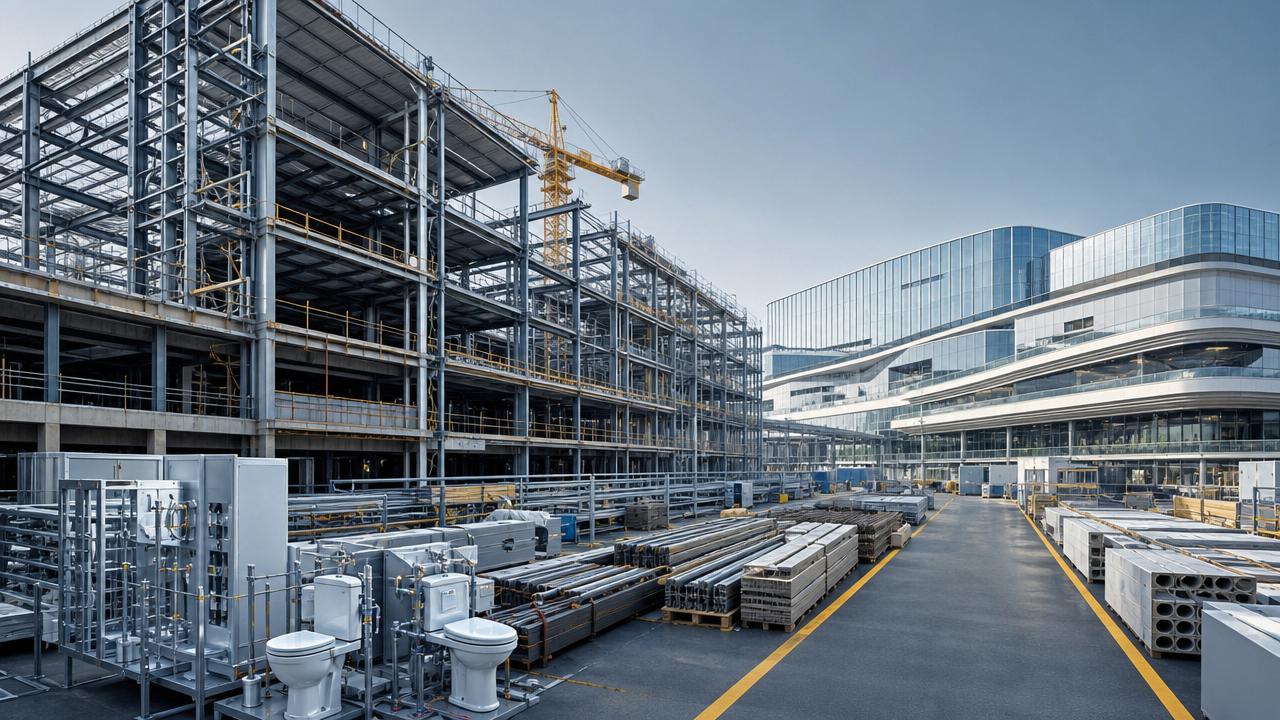
In fast-moving city projects, delays rarely come from one issue alone. They usually emerge from disconnected schedules, unclear site conditions, material uncertainty, and slow approvals. Urban construction intelligence reduces these blind spots by turning fragmented project signals into usable decisions.
Across the broader building ecosystem, this shift matters more than ever. From core materials to sanitary systems and smart interior spaces, delivery speed now depends on how well teams connect field data, supply updates, compliance checks, and design intent.
For organizations tracking the evolution of residential and commercial space, urban construction intelligence is no longer a futuristic layer. It is becoming a practical control system for reducing delays, protecting budgets, and improving confidence across complex city developments.
Urban construction intelligence is moving from optional tool to schedule safeguard
Urban construction intelligence combines project data, digital coordination, predictive analysis, and real-time site visibility. Its purpose is simple: identify delay triggers earlier and support faster action before disruption spreads.
This matters because urban projects face tighter regulations, denser sites, and more specialist trades. A single issue with structural materials, plumbing layouts, or smart system integration can affect many downstream activities.
The strongest change is not only technological. It is operational. Teams are shifting from reactive delay management to continuous delay prevention. That shift is where urban construction intelligence creates measurable value.
Why delay pressure is intensifying across city construction
Several market signals explain why schedule pressure keeps rising in urban development. These signals affect new builds, retrofit programs, public infrastructure, mixed-use projects, and commercial interior delivery.
- Cities are demanding faster project cycles while maintaining stricter safety and sustainability standards.
- Supply chains for premium materials and smart fittings remain volatile across regions.
- Project scopes now include more connected systems, increasing coordination points.
- Urban sites have less storage space, making timing errors more expensive.
- Design changes occur later in delivery because end-user expectations evolve quickly.
When these pressures combine, conventional reporting becomes too slow. Weekly updates cannot reliably manage daily site shifts. Urban construction intelligence helps close that gap with continuous data feedback.
The main drivers behind urban construction intelligence adoption
The rise of urban construction intelligence is driven by practical business needs, not theory. The table below shows the most common adoption drivers and their direct relationship to delay reduction.
For sectors tied to interiors, sanitary spaces, and smart kitchen and bath systems, material intelligence is especially important. Delays often happen when high-spec components arrive late or fail to match design and compliance requirements.
How urban construction intelligence cuts project delays in practice
Urban construction intelligence works best when it connects decisions across the project lifecycle. It does not solve every problem. It shortens the time between warning signs and corrective action.
Earlier detection of schedule drift
Small slippages often go unnoticed until a major milestone fails. With urban construction intelligence, progress deviations appear sooner through automated comparisons between planned work and actual site status.
Faster cross-team coordination
Design, engineering, procurement, installation, and compliance teams often work from different data sets. Urban construction intelligence creates a shared operational view, helping teams resolve conflicts before they affect handover dates.
Smarter material and equipment timing
Dense urban sites cannot absorb poor delivery planning. Intelligence-led scheduling supports just-in-time movement of core materials, sanitary systems, and smart fixtures, reducing congestion, damage risk, and idle labor.
Quicker response to compliance and quality issues
Inspection failures and incomplete records can stop work unexpectedly. Urban construction intelligence keeps documentation, standards, approvals, and field evidence easier to verify, reducing avoidable interruption.
The effect on key business links across the construction value chain
The influence of urban construction intelligence reaches beyond the main contractor. It reshapes how information flows across materials, systems, execution, and final space performance.
- Planning improves because risk signals are visible before site pressure peaks.
- Procurement becomes more accurate when specifications and lead times are continuously aligned.
- Installation sequencing becomes more stable, especially for bathrooms, kitchens, and integrated utility zones.
- Commercial forecasting improves because delays are measured with better evidence.
- Post-completion quality becomes easier to protect through digital traceability.
This has wider relevance for intelligence-led platforms such as GIAM. In sectors where material science, hydraulic design, and smart living systems increasingly converge, better delay control supports both operational efficiency and long-term brand credibility.
What deserves close attention as adoption expands
Not every digital layer creates real value. Urban construction intelligence performs best when organizations focus on a few high-impact priorities rather than excessive dashboard complexity.
- Data quality must come before advanced analytics.
- Material libraries should connect technical specifications with live availability.
- Schedule intelligence must include interior and finishing dependencies, not only structural milestones.
- Compliance tracking should be embedded early, not added near completion.
- Decision workflows need clear ownership when alerts appear.
These priorities are especially relevant for projects involving green materials, water-saving systems, anti-bacterial surfaces, and smart access technologies. Such components often carry strict technical and regulatory requirements that can slow progress if coordination is weak.
A practical framework for stronger project certainty
A useful response does not start with buying more software. It starts with identifying where delays form, which signals arrive too late, and how decisions are currently escalated.
Over time, urban construction intelligence should support more than punctual delivery. It should also improve sustainability performance, reduce material waste, and strengthen consistency across modern residential and commercial spaces.
The next move is to make intelligence operational, not decorative
The strongest projects are not those with the most reports. They are the ones that transform site data into timely action. Urban construction intelligence is valuable when it helps teams decide faster, coordinate better, and recover sooner from disruption.
For any organization navigating the future of building materials, sanitary innovation, and smart space systems, delay reduction now depends on integrated intelligence. The opportunity is clear: build a sharper view of risk, connect operational signals earlier, and turn uncertainty into delivery control.
That is where the next competitive edge will come from. Not from more complexity, but from clearer visibility, stronger coordination, and practical urban construction intelligence applied where delays actually begin.
Industry Briefing
Get the top 5 industry headlines delivered to your inbox every morning.