
Material Science in Smart Architecture Applications: Key Properties and Use Cases
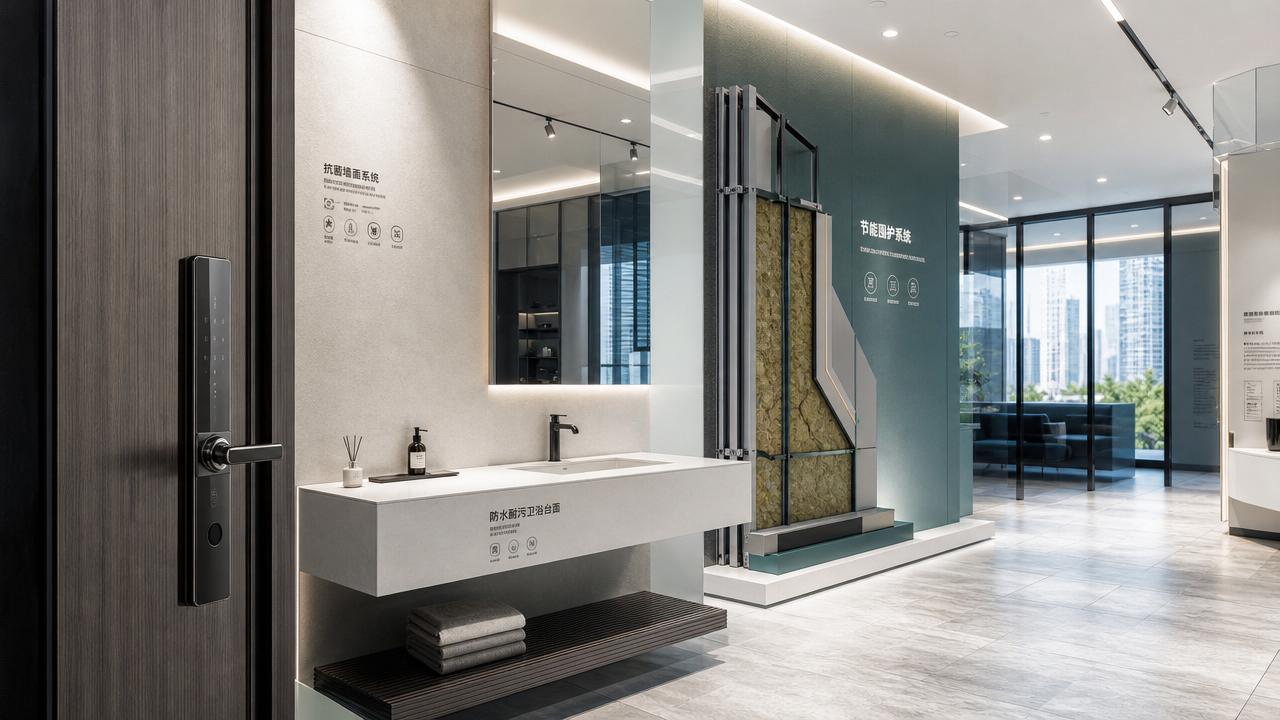
Material science in smart architecture applications is reshaping how technical evaluators assess performance, safety, and lifecycle value in modern buildings. From antibacterial surfaces and water-saving systems to smart locks and energy-efficient assemblies, the right material choices directly influence compliance, durability, and user experience. This article explores the key properties and practical use cases that matter most when selecting materials for intelligent residential and commercial spaces.
For technical evaluation teams, material selection is no longer limited to compressive strength, finish quality, or unit cost. In smart architecture, each material layer may interact with sensors, water systems, digital access controls, thermal envelopes, and maintenance workflows over 10 to 25 years. That changes how specifications should be reviewed.
In residential towers, hospitality projects, healthcare interiors, and mixed-use commercial spaces, the gap between an attractive specification and a resilient specification can be significant. A surface that performs well in a showroom may fail under repeated cleaning cycles, humidity swings of 40% to 80%, or daily touch frequency above 500 uses.
This is where GIAM’s intelligence-led perspective is useful. By connecting core building materials, sanitary environments, and smart kitchen and bath systems, technical evaluators can compare not only what a material is, but how it behaves in real operating conditions, regulatory frameworks, and procurement timelines.
Why Material Science Matters in Smart Architecture
Material science in smart architecture applications matters because intelligent buildings rely on compatibility between physical performance and system integration. A smart lock is only as reliable as the door substrate, fastener holding strength, moisture stability, and surface tolerance that support it.
The same logic applies to water-saving sanitary systems, antibacterial wall finishes, modular kitchen surfaces, and insulated façade assemblies. Technical evaluators increasingly review 4 linked dimensions at once: mechanical behavior, environmental resistance, digital compatibility, and lifecycle serviceability.
From Static Materials to Functional Systems
Traditional specification models often treated materials as passive components. Smart architecture changes that assumption. Materials now form part of an active system, whether they transmit data, support embedded hardware, reduce bacterial growth, regulate heat transfer, or tolerate repeated automated operation.
For example, a high-traffic restroom partition in a commercial building may need water resistance for 24-hour cleaning cycles, dimensional stability within a narrow tolerance band, and surface chemistry that resists staining from detergents, hard water residue, and human contact.
Core Evaluation Questions
- Will the material maintain performance over a 7 to 15 year service period in the intended environment?
- Can it support integration with electronics, plumbing hardware, or prefabricated assemblies?
- Does the cleaning and maintenance regime accelerate surface degradation?
- How sensitive is the material to moisture, heat, impact, or repeated user contact?
- Does the specification reduce long-term replacement frequency and compliance risk?
These questions are especially relevant in GIAM’s focus sectors, where smart living standards intersect with sanitation, water efficiency, carbon reduction, and premium interior performance. Technical evaluators who test materials only for upfront appearance may miss hidden service costs emerging after 12 to 36 months.
Key Material Properties Technical Evaluators Should Prioritize
To assess material science in smart architecture applications effectively, evaluators should use a property-based framework. This reduces the risk of overvaluing trend-driven finishes while undervaluing durability, hygiene, and installation performance.
1. Mechanical Strength and Dimensional Stability
Materials used around smart hardware must maintain shape under load, vibration, and repeated operation. Door leaves carrying smart locks, access readers, or automated hinges require stable substrate behavior. Excessive swelling, edge cracking, or fastening fatigue can reduce lock alignment and shorten hardware life.
In wet zones, dimensional changes of even 1 to 3 mm may create sealing gaps, loosen fittings, or expose substrate edges. Evaluators should check resistance to impact, screw retention, flexing, and thermal expansion before approving decorative claims.
2. Moisture, Chemical, and Thermal Resistance
Bathrooms, kitchens, utility areas, and façade transition zones expose materials to steam, detergents, splash water, grease, and temperature shifts. A smart sanitary system may save water, but poor surrounding material choices can still trigger mold, delamination, corrosion, or odor retention.
A practical review should consider exposure categories such as intermittent moisture, continuous humidity, direct splash, or cleaning with diluted chemicals 1 to 3 times per day. Materials that perform well under dry indoor conditions may fail quickly in commercial washroom or hospitality settings.
3. Hygiene and Surface Functionality
Antibacterial and easy-clean surfaces are increasingly important in healthcare-adjacent projects, premium residences, schools, and high-turnover commercial interiors. However, technical evaluators should distinguish between a treated surface and one that keeps its performance after abrasion, UV exposure, and repeated disinfecting cycles.
In material science in smart architecture applications, hygiene is not a marketing extra. It is part of operational quality. Low-porosity surfaces, stain resistance, sealed joints, and compatibility with touch-reduction systems can lower maintenance burden and improve user perception.
4. Energy and Environmental Performance
Smart buildings often target lower energy consumption through envelope optimization, zoned controls, and efficient equipment. Material choice influences these goals through insulation value, thermal bridging behavior, solar reflectance, and embodied carbon considerations in procurement decisions.
Even when exact project targets vary, evaluators typically compare 3 to 5 environmental indicators, including thermal resistance, expected service life, maintenance intensity, replacement frequency, and waste handling complexity. Durable materials may carry a higher initial price while lowering total lifecycle burden.
The table below provides a practical screening framework for key properties across common smart architecture components.
A useful takeaway is that no single property should dominate specification review. In most projects, failure comes from the interaction of 2 or 3 weaknesses, such as moderate moisture absorption combined with poor edge detailing and frequent chemical cleaning.
High-Value Use Cases in Residential and Commercial Smart Spaces
The strongest examples of material science in smart architecture applications are not theoretical. They appear in the spaces where users touch, wash, store, enter, cook, and monitor conditions every day. These are the zones where poor material selection becomes expensive fastest.
Smart Sanitary Spaces
In sanitary rooms, evaluators should review basin surrounds, wall panels, countertops, partitions, sealants, and concealed support materials as one system. Water-saving fixtures reduce consumption, but they can also change splash patterns, pressure behavior, and cleaning routines.
A material suitable for a dry powder room may be unsuitable for a commercial restroom operating 16 to 20 hours per day. Antibacterial finishes, non-porous panel systems, and stable substrate boards often matter more than decorative trend alignment in these environments.
Smart Kitchens and Utility Zones
Kitchen and utility environments combine heat, steam, oil, impact, and repetitive access. Smart appliances and connected fixtures increase the need for materials that can tolerate localized temperature rise, frequent opening cycles, and service access without visible deterioration after 2 to 5 years.
Countertops, cabinet fronts, backsplash systems, and under-sink panels should be reviewed for edge protection, cleanability, and compatibility with leak detection or shutoff systems. Hidden cavities are often where low-grade materials first fail.
Smart Entry and Security Assemblies
Smart locks and access systems are frequently evaluated as electronics packages, but the surrounding material assembly is equally important. Door core density, skin rigidity, frame stability, and screw-holding capacity influence lock accuracy, security feel, and maintenance frequency.
Projects with 300 to 1,000 daily access events should be checked more rigorously than low-use residential doors. Misalignment over time creates not only user complaints, but battery drain, latch wear, and service calls that can multiply across a portfolio.
Energy-Efficient Envelope and Interior Assemblies
Façade panels, insulated glazing interfaces, thermal break components, and high-performance interior partitions all contribute to smart environmental control. Technical evaluators should assess how material layers respond across seasonal temperature shifts, solar load, air leakage paths, and installation tolerances.
A specification that saves 8% to 15% in modeled energy use may still underperform if seal interfaces degrade early or if moisture accumulation reduces insulation efficiency. Smart architecture requires materials that preserve designed performance after real installation, not just in laboratory assumptions.
The following table maps common application zones to the material priorities that usually deserve first attention during evaluation.
This comparison shows why evaluation should be scenario-based. The right material for one smart space may be inefficient or risky in another, even when the visual finish or unit price appears attractive during procurement.
How to Evaluate and Specify Materials More Effectively
A stronger evaluation process combines material science review with installation, maintenance, and commercial decision points. This is especially important when sourcing across multiple countries, suppliers, and project schedules with lead times of 2 to 8 weeks.
A 5-Step Review Workflow
- Define the real use environment, including humidity, touch frequency, cleaning method, and service access requirements.
- Screen materials for 4 to 6 essential properties instead of relying on visual samples alone.
- Review compatibility with smart hardware, plumbing components, or energy assemblies.
- Check fabrication and installation tolerances, especially in prefabricated or modular systems.
- Estimate lifecycle implications across maintenance frequency, replacement intervals, and failure consequences.
Common Procurement Mistakes
- Approving surfaces without reviewing edge treatment or substrate structure
- Comparing unit price while ignoring maintenance costs over 3 to 10 years
- Assuming antibacterial claims remain stable after abrasion or chemical cleaning
- Separating hardware evaluation from the material assembly that supports it
- Skipping mock-up testing in wet, hot, or high-traffic conditions
What Technical Evaluators Should Request from Suppliers
Supplier discussions should move beyond catalogs and decorative boards. Evaluators should request performance data, substrate details, installation recommendations, cleaning limitations, and expected service behavior under realistic project conditions.
For GIAM-oriented sourcing decisions, this also includes understanding regional standards shifts, tariff exposure, and how premium material positioning aligns with urbanization-driven demand for smart sanitary and kitchen systems. Material quality must support both technical reliability and commercial competitiveness.
Recommended Checklist
Use at least 6 checkpoints in every review: substrate stability, surface durability, moisture behavior, cleanability, hardware integration, and replacement practicality. On more complex projects, add thermal behavior, VOC considerations, and on-site installation sensitivity.
Material science in smart architecture applications delivers the most value when specifications are tested against actual operating logic. The best-performing choices are often the ones that reduce intervention cycles, preserve system accuracy, and maintain appearance with predictable maintenance effort.
Practical Direction for Smarter Project Decisions
Technical evaluators are increasingly expected to balance performance, safety, hygiene, sustainability, and procurement realism in a single decision path. That is why material science in smart architecture applications has become central to modern specification strategy rather than a niche technical topic.
When teams evaluate materials by use case, service life, system compatibility, and maintenance intensity, they reduce rework risk and improve long-term asset value. This applies across sanitary spaces, smart kitchens, secure entries, and energy-efficient building assemblies.
GIAM supports this decision-making approach by linking material intelligence, smart space trends, and commercial insight for professionals working across global building and interior markets. If you are reviewing product specifications, comparing premium materials, or planning smarter residential and commercial environments, now is the time to refine your evaluation framework.
Contact us to get a tailored solution, discuss product details, or explore more material-led strategies for intelligent spaces.
Industry Briefing
Get the top 5 industry headlines delivered to your inbox every morning.