
Urban construction trends reshaping mixed-use developments
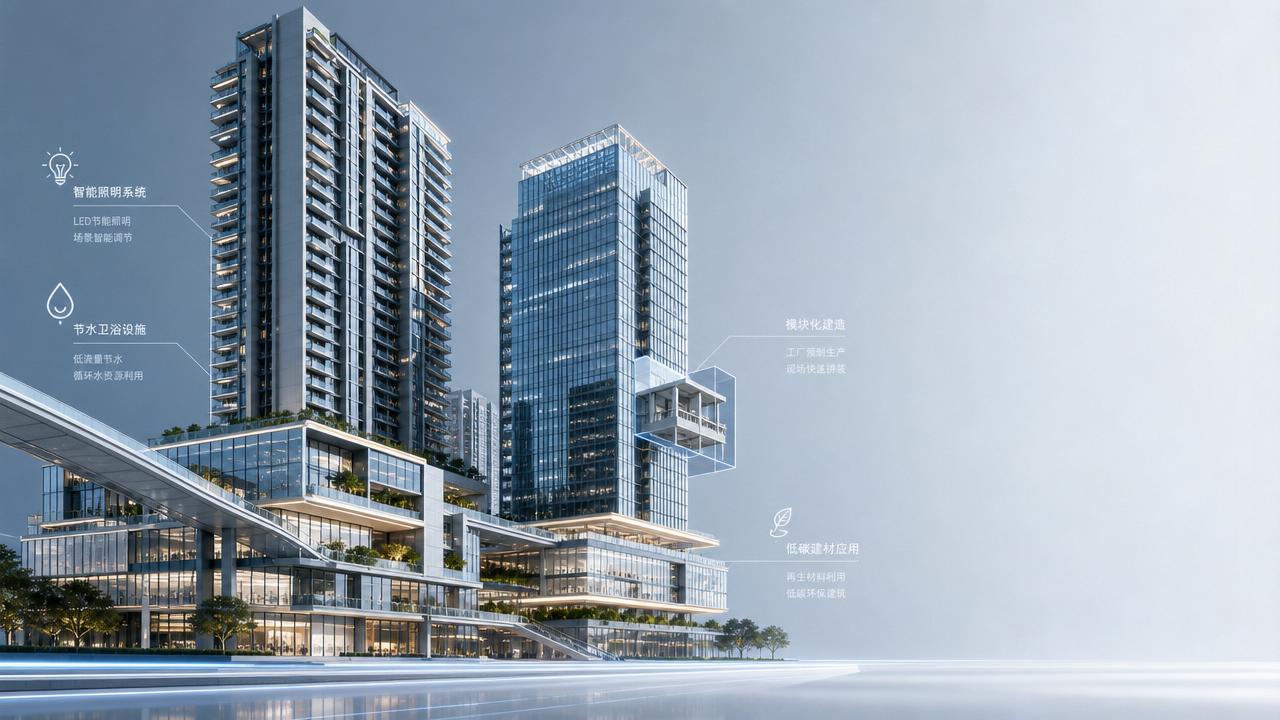
Urban construction trends are reshaping mixed-use developments at a decisive pace. Projects now combine housing, retail, workspaces, hospitality, healthcare, and public circulation within tighter urban footprints.
This shift changes how sites are evaluated, designed, built, and operated. Material durability, water efficiency, indoor health, energy performance, and digital control systems now influence asset quality from day one.
For the broader building ecosystem, urban construction trends also redefine specification logic. They connect structural systems, sanitary spaces, smart kitchen and bath technologies, and regulatory compliance into one performance framework.
GIAM tracks these transitions through global construction intelligence. Its focus on building materials, smart spatial systems, and commercial insight helps clarify which changes matter most in modern mixed-use development.
Understanding urban construction trends in mixed-use development
Urban construction trends describe the practical forces changing city building patterns. They include densification, low-carbon regulation, adaptive reuse, modular delivery, and the spread of connected building technologies.
In mixed-use projects, these trends matter because one development must support several operating models. Residential comfort, retail visibility, logistics access, office flexibility, and public safety must work together.
That complexity raises the value of integrated planning. Early choices in façade systems, plumbing networks, tile performance, water-saving fixtures, and smart locks affect both lifecycle cost and occupier experience.
Urban construction trends therefore should not be treated as abstract design themes. They are measurable decision drivers shaping approvals, budgets, maintenance schedules, tenant appeal, and long-term resilience.
Core features now defining project direction
- Higher density with stronger demands for circulation efficiency and service integration.
- Stricter carbon, water, fire, and indoor environmental performance standards.
- Growing use of prefabrication, modular bathrooms, and off-site assembly methods.
- Wider adoption of smart access, metering, HVAC controls, and usage analytics.
- Rising preference for healthy materials with anti-bacterial and low-emission properties.
Current industry signals behind urban construction trends
Across global cities, urban construction trends are being shaped by converging pressures. Energy price volatility, climate targets, aging infrastructure, and urban population growth are all changing development priorities.
At the same time, users expect seamless movement between living, working, shopping, and leisure functions. That expectation pushes mixed-use developments toward smarter and more service-oriented spatial planning.
These signals explain why urban construction trends are becoming more technical. They now involve system compatibility, compliance forecasting, and lifecycle performance, not only visual identity or land-use intensity.
Why GIAM-style intelligence matters
High-authority intelligence helps connect construction fundamentals with interior outcomes. This includes how building materials, sanitary spaces, and smart kitchen and bath systems perform under changing urban requirements.
By observing energy-saving standards, anti-bacterial material adoption, and global market demand, GIAM supports a clearer reading of urban construction trends across both residential and commercial space evolution.
Business value created by urban construction trends
When assessed correctly, urban construction trends create measurable project value. They improve occupancy attraction, reduce operational waste, and help developments remain aligned with future regulation and market expectations.
This value is especially visible in mixed-use assets because performance failures affect multiple revenue layers. A weak water system, poor circulation plan, or inflexible access design can disrupt several functions at once.
Key value areas
- Compliance readiness through early alignment with codes and sustainability metrics.
- Operational efficiency through energy controls, water management, and predictive maintenance.
- User satisfaction through better acoustics, hygiene, comfort, and intuitive access systems.
- Brand positioning through visible commitment to green materials and intelligent living standards.
- Asset resilience through adaptable layouts and durable specification choices.
Urban construction trends also support investment clarity. They make it easier to compare projects using consistent indicators such as embodied carbon, water intensity, maintenance burden, and space utilization flexibility.
Representative application scenarios in mixed-use developments
Not all projects respond to urban construction trends in the same way. Site constraints, target users, climate conditions, and local code pathways determine which solutions deliver the highest practical benefit.
In each scenario, urban construction trends influence specification depth. Mixed-use success depends on how well visible design ambitions are matched by hidden infrastructure quality and operational intelligence.
Material and interior implications
Core building materials now carry broader responsibility. Surface durability, stain resistance, anti-bacterial performance, and cleaning compatibility affect both maintenance cost and public perception in high-traffic spaces.
Sanitary zones and kitchens also receive greater scrutiny. Water-saving fixtures, reliable drainage, intelligent controls, and space-efficient layouts are central to mixed-use performance under current urban construction trends.
Practical evaluation methods and implementation guidance
Applying urban construction trends effectively requires a structured review process. Technical ambition alone is not enough. Each decision should be tested against cost, code risk, interoperability, and service-life expectations.
Recommended evaluation checklist
- Map all use types and identify shared infrastructure pressure points.
- Review local and future-facing regulations for energy, water, and health standards.
- Compare materials using lifecycle cost, maintenance frequency, and environmental data.
- Test smart systems for interoperability across security, HVAC, lighting, and metering.
- Assess resilience under occupancy change, climate stress, and supply chain disruption.
- Verify that interior systems support operational staff efficiency and user comfort.
One common mistake is evaluating subsystems in isolation. Urban construction trends demand integrated thinking because material choices, hydraulic design, controls, and spatial layout often affect one another directly.
Another issue is overvaluing novelty. New technologies should be judged by measurable contribution, service support, and retrofit compatibility, especially in projects with long operational horizons.
Points requiring extra attention
- Confirm moisture management in complex wet areas and shared vertical shafts.
- Prioritize low-emission materials where occupancy duration is high.
- Track tariff exposure for imported finishes, hardware, and smart components.
- Plan digital maintenance workflows before smart system deployment.
Next-step focus for stronger mixed-use decision making
Urban construction trends will continue to reshape how mixed-use developments are judged. The strongest projects will combine regulatory awareness, durable materials, efficient water systems, and intelligent interior technologies.
A practical next step is to build a trend review framework around materials, sanitary spaces, energy use, digital systems, and lifecycle metrics. This helps translate broad market change into consistent project evaluation.
GIAM’s intelligence approach supports that transition by linking hard construction data with modern spatial expectations. In an evolving city environment, that connection is essential for interpreting urban construction trends with confidence and precision.
Industry Briefing
Get the top 5 industry headlines delivered to your inbox every morning.