Why material science in construction is changing durability
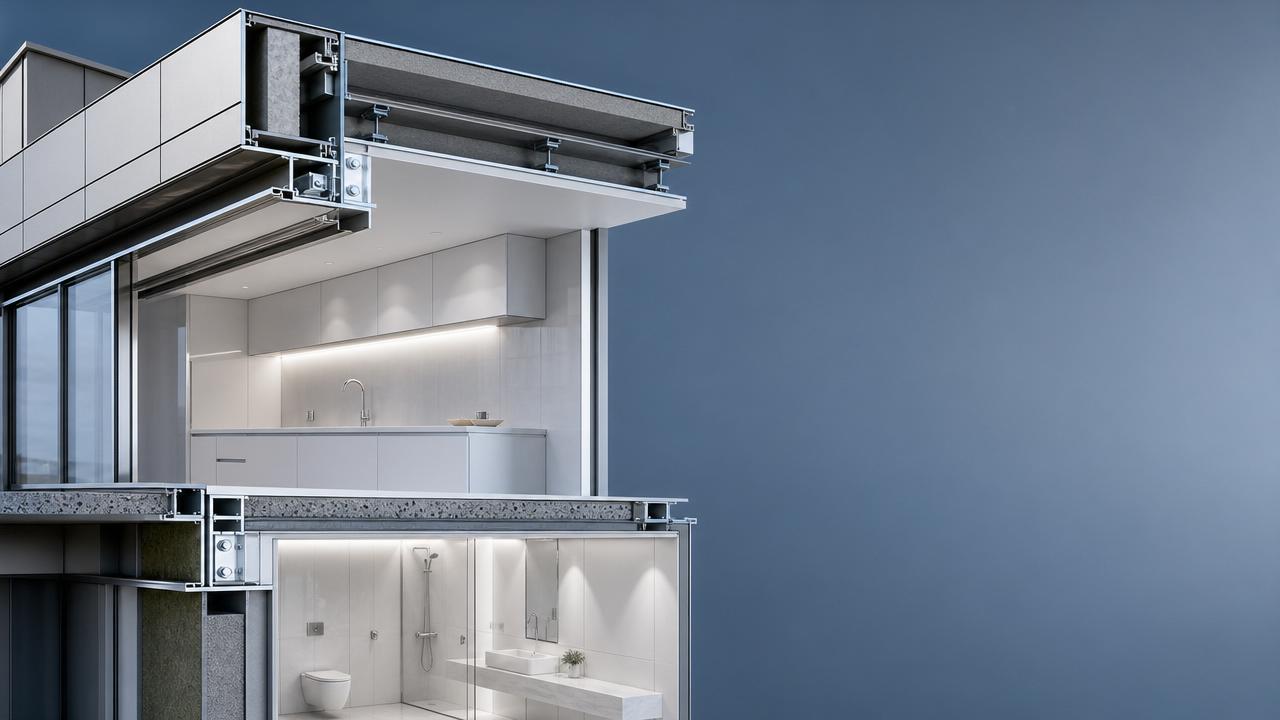
For technical evaluators, material science in construction now shapes durability decisions across the full building lifecycle. It affects compliance, maintenance cost, indoor safety, and asset resilience under changing environmental conditions.
As codes become stricter and performance expectations rise, material choices can no longer rely on basic strength ratings alone. Moisture resistance, corrosion control, fatigue behavior, and microbial protection now define durable construction outcomes.
This shift matters across the broader built environment. From façades and wet areas to kitchens, sanitary spaces, and service systems, advanced materials are changing how durability is measured and specified.
Material science in construction and the new meaning of durability
Material science in construction studies how material composition, structure, and processing influence performance in real building conditions. It connects laboratory properties with long-term behavior in occupied spaces.
Traditional durability often meant surviving loads and weather. Today, durability also includes chemical resistance, hygiene stability, thermal movement, UV exposure, water interaction, and compatibility with smart building systems.
This broader definition explains why material science in construction is gaining strategic importance. A material may pass initial testing yet fail early when exposed to cyclic moisture, cleaning agents, salt, or temperature variation.
Modern evaluation therefore focuses on service life, not only installation condition. The question is no longer whether a component works today, but whether it keeps working after years of stress.
Core durability variables now under review
- Moisture absorption and vapor response
- Corrosion behavior in metals and mixed assemblies
- Microcracking under repeated loading or thermal cycling
- Resistance to mold, bacteria, and surface degradation
- Dimensional stability in wet and hot environments
- Interaction with adhesives, coatings, sealants, and hardware
Why the industry is paying closer attention now
Several market forces are pushing material science in construction into mainstream specification. Buildings are expected to last longer, operate more efficiently, and maintain healthier interior conditions with fewer unplanned repairs.
At the same time, urban density, climate pressure, and premium interior standards are increasing performance risk. Components in kitchens, bathrooms, façades, and utility zones face continuous exposure to water, heat, impact, and chemicals.
Digital project delivery also changes expectations. Better data means weak material decisions are easier to trace. Durability failures now affect not only warranty cost but also brand credibility and long-term building value.
Key industry signals shaping specification
For intelligence platforms such as GIAM, these signals show that durability is no longer a narrow engineering issue. It is a strategic intersection of safety, design quality, environmental performance, and commercial competitiveness.
How material science in construction improves lifecycle value
The biggest advantage of material science in construction is better prediction. Advanced testing and data analysis reveal how materials behave before failures appear on site or after handover.
This improves specification quality. Instead of selecting materials by price or appearance only, teams can compare permeability, fatigue resistance, galvanic compatibility, and long-term surface stability.
The result is practical lifecycle value. Better material choices reduce maintenance shutdowns, replacement frequency, moisture claims, staining, corrosion spread, and hygiene-related deterioration in occupied buildings.
Business value created by better material decisions
- Lower whole-life repair and replacement cost
- Improved compliance with environmental and health standards
- More reliable performance in wet, hot, or high-use areas
- Better support for premium interior finishes and smart systems
- Reduced reputational risk from visible early failure
This is especially relevant in integrated residential and commercial spaces. Durable material systems protect both the structural shell and the interior experience that users notice every day.
Representative applications across modern building systems
Material science in construction becomes most visible in areas where performance failures are frequent. These spaces combine moisture, contact, cleaning cycles, thermal stress, and aesthetic expectations.
In these settings, durability depends on systems thinking. The best tile, panel, or metal alloy can still fail if paired with weak adhesives, incompatible fasteners, or poor moisture detailing.
Examples of shifting material priorities
- From basic stainless steel grades to corrosion-specific alloy selection
- From decorative coatings to functional protective surface engineering
- From water resistance claims to full moisture management systems
- From isolated smart devices to material compatibility with electronics
Practical evaluation methods and common specification mistakes
A reliable review process should test real exposure conditions, not only catalog performance. Material science in construction is valuable because it connects product data with actual use environments.
Useful evaluation criteria
- Check exposure class, humidity profile, and cleaning regime first.
- Review test standards for aging, corrosion, impact, and thermal movement.
- Confirm substrate, fastener, sealant, and finish compatibility.
- Compare maintenance demand against expected service life.
- Assess failure mode, not only initial pass or fail status.
Frequent mistakes that reduce durability
- Choosing materials by appearance without moisture analysis
- Ignoring the effect of aggressive cleaners on finishes
- Mixing incompatible metals in high-humidity assemblies
- Overlooking joint design and edge sealing details
- Using laboratory data without field-condition interpretation
These mistakes show why material science in construction should be applied early. Correcting poor choices after installation is far more expensive than improving evaluation during specification.
A practical direction for next-step decision making
The future of durability will be shaped by smarter material data, tighter environmental benchmarks, and stronger links between engineering and interior performance. Material science in construction sits at the center of that transition.
A useful next step is to review high-risk assemblies first. Focus on façades, sanitary spaces, kitchen systems, hardware interfaces, and moisture-prone interiors where hidden failure spreads quickly.
Then compare current specifications against real exposure, service life targets, and maintenance conditions. This approach turns material science in construction into a practical tool for durable, safer, and more intelligent spaces.
GIAM’s intelligence perspective supports this shift by linking material innovation, water-saving technologies, anti-bacterial surfaces, and smart space systems into one decision framework for long-term building durability.
Industry Briefing
Get the top 5 industry headlines delivered to your inbox every morning.