
Interior design materials that look high-end for less
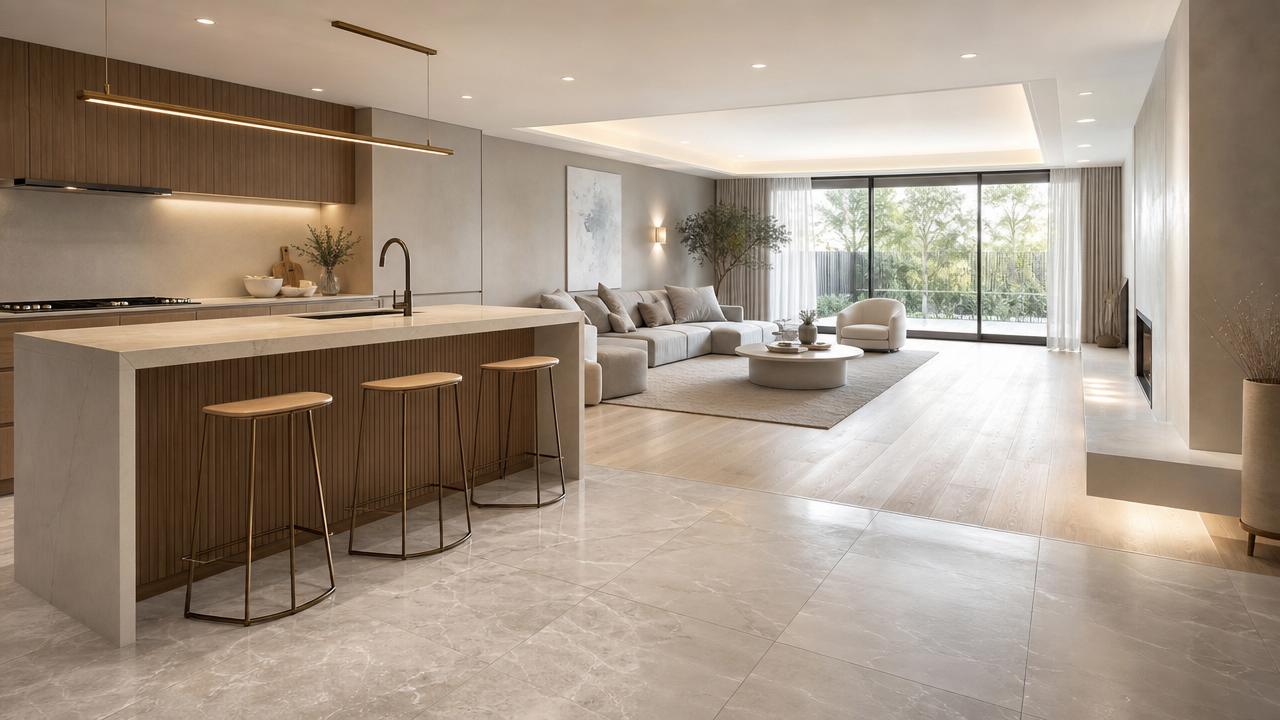
Interior design materials can completely change the look and feel of your home, especially when you want a high-end style without the luxury price tag. From textured finishes to durable, elegant surfaces, the right choices can create a refined space that feels both modern and personal. In this guide, we’ll explore affordable interior design materials that deliver a premium appearance, helping you make smarter decisions for a beautiful home.
Understanding what makes interior design materials look expensive
High-end design is not only about price. In many homes, the sense of luxury comes from visual depth, clean detailing, surface consistency, and how well materials work together. This is why interior design materials matter so much: they shape light reflection, texture, color balance, and the overall emotional tone of a room.
For end consumers, the smart approach is to focus on materials that imitate premium finishes well, age gracefully, and fit everyday use. A polished natural-stone look, a matte wood grain, a seamless wall finish, or brushed metal accents can all create a premium effect without requiring a luxury budget. In today’s market, material innovation has made these options more accessible than ever.
Why the market is paying closer attention to affordable premium finishes
Across residential and commercial interiors, there is growing demand for interior design materials that combine aesthetics, durability, and value. Consumers are no longer satisfied with materials that look cheap after one year of use. They want surfaces that feel modern, support easier maintenance, and reflect a more intentional lifestyle.
This broader shift also connects with global building trends observed by intelligence platforms such as GIAM. The industry is seeing stronger interest in low-maintenance surfaces, antibacterial finishes, water-resistant materials, and environmentally smarter options. Even when the goal is style, decision-making now includes practical concerns such as sustainability, long-term care, and compatibility with smart living spaces.
As a result, the best affordable interior design materials are no longer basic substitutes. Many are advanced surfaces engineered to deliver the appearance of marble, hardwood, metal, or handcrafted plaster while reducing cost, installation difficulty, or maintenance risk.
A practical overview of high-end looking materials on a budget
When choosing interior design materials, it helps to compare them by appearance, ideal application, and value. The table below highlights common options that offer a premium look for less.
Top interior design materials that create a premium look
Porcelain tile and large-format slabs
Porcelain is one of the most versatile interior design materials for consumers who want a luxury effect at a manageable price. High-quality porcelain can replicate marble, travertine, concrete, or even oxidized metal. Large-format pieces reduce grout lines, which immediately makes a room feel more seamless and upscale.
It works especially well in bathrooms and kitchens because it is durable, water resistant, and easier to maintain than many natural materials. If you want an expensive look, choose soft veining, low visual noise, and a matte or satin finish rather than overly glossy patterns that feel artificial.
Quartz for polished, practical surfaces
Quartz has become a strong choice in premium-looking kitchens and bathrooms. It offers a clean, tailored appearance and usually comes in colors that pair well with modern cabinetry, brushed hardware, and integrated sinks. As interior design materials go, quartz balances appearance and practicality extremely well.
For a more elevated effect, avoid extremely busy patterns. Subtle movement, soft white tones, warm greige, or charcoal shades often feel more timeless. Pairing quartz with under-cabinet lighting and simple edge profiles can further enhance the luxury impression.
Luxury vinyl plank and refined laminate flooring
Flooring covers a large visual area, so it strongly influences whether a room feels high-end. Modern luxury vinyl plank and better-grade laminate flooring can now offer convincing wood grain, matte finishes, and realistic surface texture. These interior design materials are especially valuable for households that need scratch resistance, easier cleaning, or better moisture performance.
To make budget flooring look more expensive, select wider planks, lower-contrast grain patterns, and natural-looking tones such as warm oak, smoked ash, or soft walnut. Avoid very orange or glossy finishes, which often reduce the premium effect.
Decorative wall finishes with depth
Paint alone can look beautiful, but textured wall treatments often introduce the depth associated with designer spaces. Limewash-style coatings, microcement, and modern plaster finishes create soft variation that catches light elegantly. These interior design materials are ideal for feature walls, entryways, powder rooms, or bedrooms where atmosphere matters.
The key is restraint. One carefully treated wall can look luxurious; too many textured surfaces in a small home may feel heavy. Neutral tones such as stone beige, warm gray, clay, and off-white usually create the strongest high-end effect.
Engineered wood and wood-look panels
Wood is naturally associated with warmth and quality, but solid hardwood can be expensive. Engineered wood and upgraded wood-look panels offer a more affordable path. They are useful for flooring, cabinetry, headboards, media walls, and built-in storage. Because they add warmth, these interior design materials help prevent modern spaces from looking cold or unfinished.
Ribbed or slatted wall panels are another strong option. Used in moderation, they can add architectural character similar to custom millwork. This is a good example of how design strategy often matters as much as the material itself.
Where these materials deliver the most value
Not every room needs the same material investment. A smart home upgrade focuses on the areas with the greatest visual and daily-use impact. The table below shows where interior design materials tend to create the strongest return in appearance and function.
How to make affordable materials look truly upscale
Even the best interior design materials can fail if they are poorly combined. A high-end look usually depends on consistency more than extravagance. Limit the number of major finishes in one space. For example, one flooring tone, one countertop style, one metal finish, and one wall texture often create a more refined result than too many competing surfaces.
Scale also matters. Larger tiles, taller baseboards, aligned joints, and full-height panels often make modest materials appear more custom. Good lighting is equally important. Warm layered lighting can improve the perceived quality of wood-look surfaces, textured walls, and stone-inspired finishes.
Another useful principle is to invest in touchpoints. If your budget is limited, choose stronger materials where people see and use them most: vanity tops, cabinet handles, kitchen counters, and feature walls. You can save on secondary areas without losing the overall premium impression.
What consumers should evaluate before choosing interior design materials
Before making a final decision, compare materials across five practical dimensions: appearance, durability, maintenance, moisture resistance, and installation quality. A cheaper product that needs early replacement is rarely the best value. Likewise, a beautiful surface that stains easily may not suit a busy family home.
Consumers should also ask where and how the material will be used. A living room feature wall has different demands than a shower enclosure or kitchen worktop. In this sense, selecting interior design materials is both a style decision and a performance decision.
It is also wise to request larger samples whenever possible. Small chips can hide pattern repetition, texture quality, or color shifts under real lighting. Seeing materials at home, next to flooring and cabinetry, often prevents expensive mistakes.
Conclusion: smart materials create lasting style
Beautiful interiors do not depend on the most expensive products. The right interior design materials can bring elegance, comfort, and long-term value when they are chosen with clarity and used with balance. Porcelain, quartz, refined laminates, luxury vinyl plank, and decorative wall finishes all show how today’s market makes premium design more accessible.
For homeowners and renovators, the best strategy is to combine visual simplicity with durable performance. If you are planning your next space update, start by identifying the surfaces that define the room most strongly, then choose materials that support both your lifestyle and your design goals. That is the most reliable way to achieve a high-end look for less.
Industry Briefing
Get the top 5 industry headlines delivered to your inbox every morning.