
Japan Tightens Formaldehyde Limits for Antibacterial Wallpapers and Tech Textiles
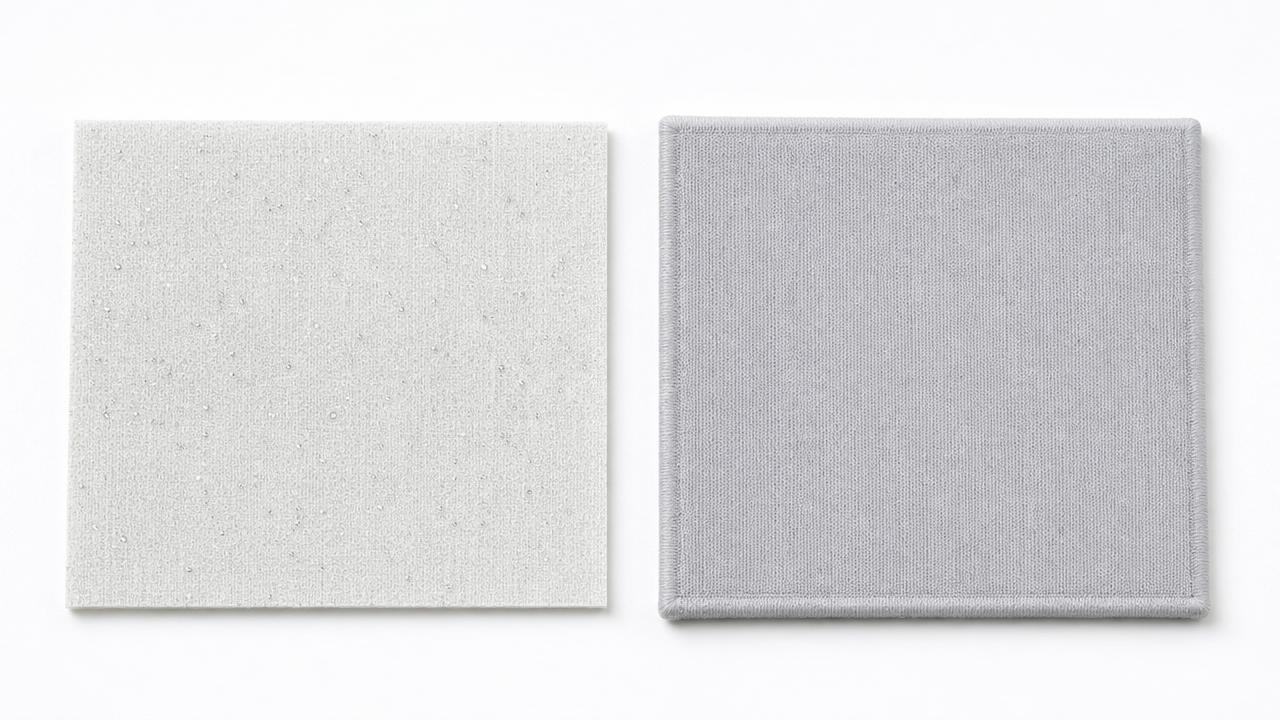
Japan’s JIS A 1401:2026 standard took full effect on May 15, 2026, imposing significantly stricter formaldehyde emission limits—and introducing new testing requirements—for antibacterial wallpapers and technical textiles entering the Japanese market. The revision directly impacts global exporters, material suppliers, and contract manufacturers serving Japan’s interior design, architectural finishing, and smart home textile sectors.
Event Overview
The Japanese Industrial Standards Committee (JISC) announced on May 15, 2026, the enforcement of JIS A 1401:2026, Antibacterial Wallpapers and Functional Textiles for Interior Decoration. Under the revised standard, the maximum allowable formaldehyde release rate is reduced from 0.12 mg/m²·h to 0.06 mg/m²·h—a 50% tightening. Additionally, the standard newly mandates testing for silver nanoparticle migration in products containing nanosilver-based antimicrobial agents. The scope covers all wallpaper and technical textiles—including antibacterial curtains and intelligent shading fabrics—intended for indoor use in Japan. Non-compliant shipments will undergo 100% customs inspection by Tokyo Customs.
Industries Affected
Direct Exporters and Trading Companies: These firms face immediate operational risk due to the shift from sampling-based conformity assessment to mandatory batch-level verification. Compliance failure now triggers full customs hold-ups—not just rejection of a single consignment—but also potential reputational exposure in Japan’s highly relationship-driven B2B procurement environment.
Raw Material Suppliers: Suppliers of base substrates (e.g., nonwoven backing, PVC-coated fabrics), antimicrobial additives (especially nanosilver dispersions), and formaldehyde-scavenging resins must now provide certified test reports aligned with JIS A 1401:2026—not legacy JIS or ISO methods. Their documentation must explicitly cover both formaldehyde emission under chamber testing and silver migration under simulated skin-contact conditions.
Contract Manufacturers and Finishers: Factories performing lamination, coating, printing, or post-treatment (e.g., antimicrobial finishing) must revalidate their entire process chain. Even if raw materials are compliant, thermal processing or adhesive curing can generate formaldehyde de novo; therefore, finished-product retesting is no longer optional but regulatory prerequisite.
Supply Chain Service Providers: Third-party testing labs, certification bodies, and logistics coordinators handling Japan-bound consignments must update their service portfolios to include JIS A 1401:2026-specific protocols—including chamber test accreditation per JIS A 1912 and migration assay per JIS L 1923 Annex B. Delays in lab capacity ramp-up may constrain time-to-market for affected product lines.
Key Focus Areas and Recommended Actions
Verify test method alignment—not just limit compliance
Meeting the 0.06 mg/m²·h threshold alone is insufficient. Laboratories must be accredited for JIS A 1912 (small chamber method) and JIS L 1923 (for silver migration). Cross-referencing with ISO 16000-23 or ASTM D6003 is not accepted under this regulation.
Reassess antimicrobial agent selection and formulation stability
Nanosilver-containing formulations require dual validation: low formaldehyde generation *and* minimal silver leaching under acidic (pH 4.5) and saline (0.9% NaCl) challenge conditions. Some widely used commercial nanosilver stabilizers fail the migration test—even when formaldehyde emissions remain within limit.
Update labeling, technical documentation, and customs declarations
Export documentation must now reference JIS A 1401:2026 explicitly—not prior editions—and include test report IDs, lab accreditation numbers, and production lot traceability. Tokyo Customs has indicated that incomplete or generic “complies with JIS” statements will trigger manual review.
Editorial Perspective / Industry Observation
Observably, JIS A 1401:2026 signals a broader regulatory pivot in Japan toward *functional safety*—where performance claims (e.g., “antibacterial”) carry binding toxicological obligations beyond traditional physical durability. Analysis shows this mirrors trends in EU Ecodesign for Smart Textiles and Korea’s KATS-KS M 7127 updates, suggesting convergence around lifecycle-based chemical accountability. From an industry standpoint, this is less a one-off tightening and more the first benchmark in a multi-year harmonization effort across Asia-Pacific building product standards.
Conclusion
This revision marks a structural inflection point—not merely a compliance hurdle. It elevates chemical transparency and functional integrity as prerequisites for market access in high-value interior applications. For global stakeholders, adaptability hinges not on incremental reformulation, but on integrating standardized toxicological assessment into early-stage R&D and supplier qualification workflows.
Source Attribution
Official notice issued by the Japanese Industrial Standards Committee (JISC), May 15, 2026 (JISC Public Notice No. 2026-08); JIS A 1401:2026 full text published via Japanese Standards Association (JSA) portal. Ongoing monitoring required for implementation guidance documents (expected Q3 2026) and Tokyo Customs procedural notices regarding batch inspection protocols.
Industry Briefing
Get the top 5 industry headlines delivered to your inbox every morning.