
Tech Textiles Base Fabric Prices Up 6.3%; Antibacterial Wallpaper Lead Times Extend to 10–12 Weeks
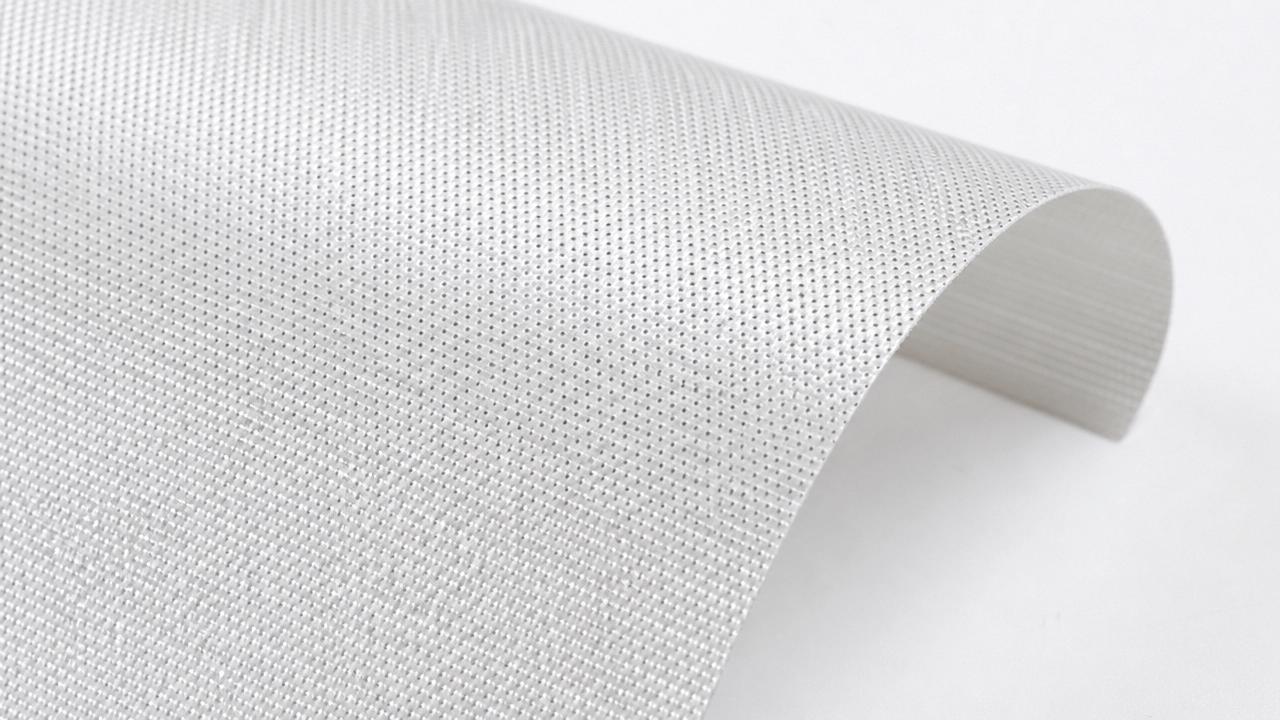
According to data released by the China National Textile and Apparel Council on May 10, the price of PTFE/PET composite base fabric — a key raw material for premium antibacterial wallpapers — rose 6.3% week-on-week. This development directly impacts manufacturers and suppliers in architectural finishes, interior design materials, and functional wallcovering supply chains, warranting close attention from procurement, production, and sourcing professionals.
Event Overview
On May 10, the China National Textile and Apparel Council reported that the weekly price of PTFE/PET composite base fabric used in high-end antibacterial wallpapers increased by 6.3%. The rise is attributed to two confirmed factors: (1) U.S. imposition of a 25% anti-dumping duty on Chinese fluoropolymer products; and (2) electricity supply constraints in India leading to overseas production capacity contraction. As a result, average lead times from mainstream suppliers have extended to 10–12 weeks. Some European wallpaper brands have initiated dual-sourcing strategies, splitting orders between China and Turkey.
Impact on Specific Industry Segments
Direct Trade Enterprises
These firms face immediate margin pressure due to sudden input cost increases and longer order-to-delivery cycles. Their exposure is heightened when contracts are fixed-price or lack indexation clauses tied to raw material benchmarks.
Raw Material Procurement Teams
Procurement departments relying on single-source PTFE/PET base fabric — especially those without long-term supply agreements — are experiencing delays in material availability and rising landed costs. Inventory planning models calibrated for pre-May lead times may now yield significant forecast errors.
Wallcovering Manufacturers & Converters
Producers of finished antibacterial wallpapers are encountering constrained input supply, which risks delaying customer deliveries and triggering contractual penalties. Production scheduling must now accommodate significantly longer material wait times, potentially affecting line utilization and working capital turnover.
Supply Chain Service Providers
Logistics and customs compliance service providers supporting cross-border shipments of fluoropolymer-based textiles are observing increased documentation scrutiny — particularly for U.S.-bound consignments — as well as higher insurance and warehousing costs linked to extended dwell times.
What Relevant Enterprises or Practitioners Should Monitor and Do Now
Track official trade policy updates and tariff classifications
Monitor U.S. Department of Commerce and International Trade Commission announcements for potential adjustments to the 25% anti-dumping duty scope — including possible exclusions, case reviews, or product reclassifications that could affect PTFE/PET composite fabrics specifically.
Map exposure across critical SKUs and regional markets
Identify which specific wallpaper SKUs depend exclusively on PTFE/PET base fabric — and assess whether alternative substrates (e.g., PET-only or coated nonwovens) are technically viable and commercially acceptable for near-term production runs in key markets like Europe or North America.
Distinguish between policy signals and operational impact
Recognize that India’s power restrictions are temporary but operationally acute; their effect on global fluoropolymer-derived textile supply is not yet reflected in broader commodity indices — meaning internal procurement dashboards may understate real-time risk unless updated with supplier-specific status checks.
Activate contingency plans for dual-sourcing and buffer stock
For companies already engaged in China–Turkey dual-sourcing, verify Turkish suppliers’ current certification status (e.g., REACH, CE) and validate technical equivalence of locally sourced base fabric. Where feasible, consider holding modest safety stock of critical base fabric grades — factoring in storage cost and shelf-life constraints.
Editorial Perspective / Industry Observation
Observably, this price surge and lead-time extension reflect a tightening node in the functional textile supply chain — one shaped less by broad demand shifts and more by geographically concentrated regulatory and infrastructural constraints. Analysis shows this is currently a signal of localized supply fragility rather than a systemic industry-wide shift. From an industry perspective, it underscores how midstream specialty materials — often overlooked in macro-level textile analyses — can become critical path bottlenecks when exposed to overlapping trade and energy shocks. Continued monitoring is warranted because the convergence of U.S. trade enforcement and Indian grid limitations may set precedent for similar dynamics in other fluorinated or energy-intensive technical textile inputs.
This update does not indicate a structural price floor change for PTFE/PET base fabric, nor does it confirm permanent capacity loss outside China. However, it does highlight a near-term inflection point where procurement agility and supply diversification carry measurable operational value.
Conclusion
This development is best understood not as a broad market trend, but as a targeted supply constraint affecting a narrow but functionally essential material segment within the architectural textiles ecosystem. Its significance lies in exposing dependencies — particularly on single-region sourcing and unindexed input pricing — rather than signaling a fundamental shift in end-market demand. For affected stakeholders, the priority remains operational responsiveness: adjusting lead-time assumptions, validating alternatives, and aligning commercial terms with newly volatile input conditions.
Source Attribution
Main source: China National Textile and Apparel Council (May 10 monitoring report).
Points requiring ongoing observation: evolution of U.S. anti-dumping duty application scope; duration and severity of India’s electricity supply constraints; actual implementation rate and quality outcomes of China–Turkey dual-sourcing arrangements among European wallpaper brands.
Industry Briefing
Get the top 5 industry headlines delivered to your inbox every morning.