
Tech Textiles Raw Material Prices Jump 5.1% in One Day
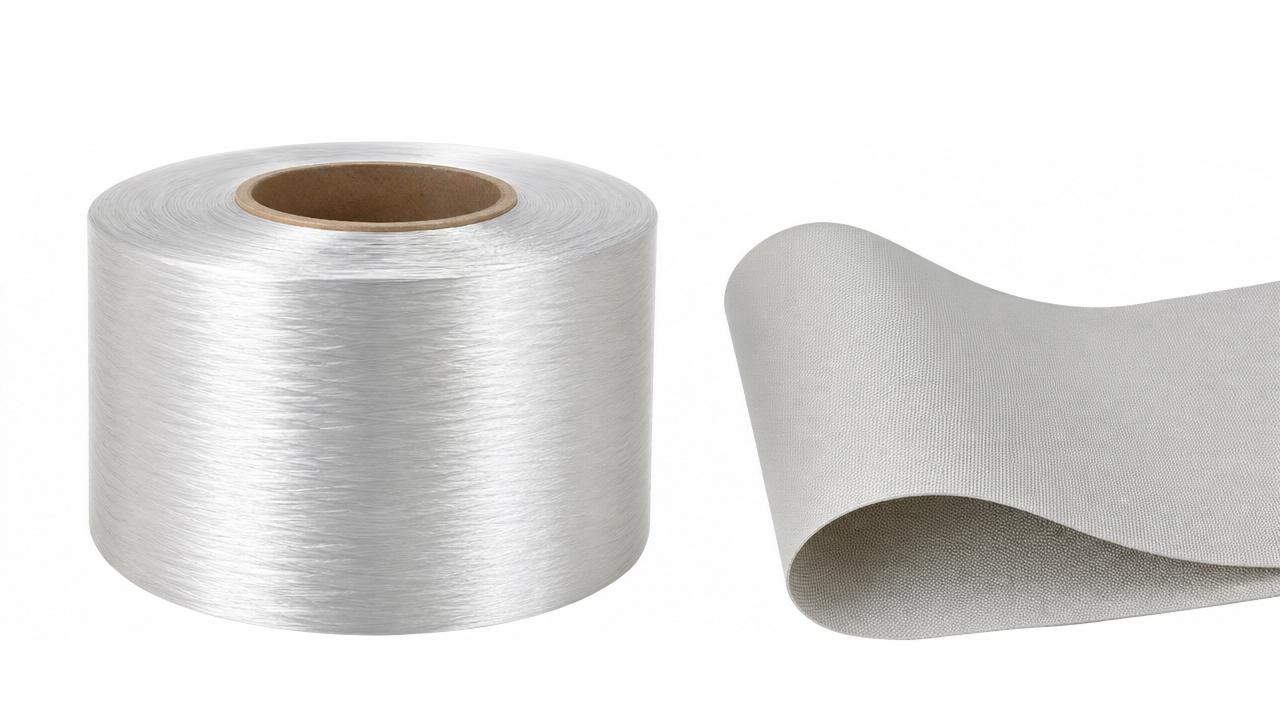
On May 8, 2026, global functional textile raw material prices surged 5.1% in a single day, driven by unplanned environmental shutdowns at two major filament producers in southern India. This development directly impacts manufacturers of antimicrobial wallpapers, technical apparel, and coated architectural textiles — sectors relying heavily on silver-ion antibacterial polyester filament and nano-zinc oxide-coated base fabrics.
Event Overview
On May 8, 2026, the Functional Textiles Index (FTI) recorded a 5.1% one-day increase in the assessed price of silver-ion antibacterial polyester filament and nano-zinc oxide-coated base fabric. The trigger was the sudden suspension of operations at two key spinning facilities in southern India due to environmental compliance enforcement. Exporters of antimicrobial wallcoverings report extended lead times for finished goods orders — shifting from the standard 6 weeks to 8–10 weeks. Some leading manufacturers have begun sourcing alternative supply from Jiangsu, China; however, this shift requires an additional 3-day colorfastness retesting process before shipment.
Which Subsectors Are Affected
Direct Exporters & International Traders
Exporters handling antimicrobial wallcoverings face immediate pressure on delivery commitments and contractual timelines. With lead times extended by 2–4 weeks, order acceptance windows are tightening, especially for time-sensitive residential or commercial renovation projects in Europe and North America.
Raw Material Procurement Teams
Purchasing departments sourcing silver-ion polyester filament or nano-zinc oxide-treated base fabrics are encountering both price volatility and reduced short-term availability. Spot procurement is becoming less reliable, and forward pricing agreements may now require revised escalation clauses.
Finished-Goods Manufacturers (e.g., Wallcovering Converters)
Manufacturers converting base fabrics into antimicrobial wallcoverings must adjust production scheduling and inventory planning. The 3-day delay introduced by mandatory colorfastness retesting for Jiangsu-sourced alternatives adds non-negligible throughput friction to already extended timelines.
Supply Chain & Logistics Service Providers
Third-party logistics and customs brokers supporting cross-border shipments of technical textiles are observing increased documentation review cycles — particularly for new supplier declarations and updated test certification submissions tied to alternative sourcing routes.
What Stakeholders Should Monitor & How to Respond
Track official regulatory updates from Indian environmental authorities
Current supply disruption stems from enforcement actions — not permanent closures. Monitoring official statements from India’s Central Pollution Control Board (CPCB) and state-level agencies will clarify whether affected plants resume partial or full operations within the next 4–6 weeks.
Validate lead-time assumptions for alternative suppliers — especially regarding testing protocols
Jiangsu-based capacity is being activated as a stopgap, but the added 3-day colorfastness retest indicates that quality validation remains a bottleneck. Procurement teams should request documented test turnaround SLAs from new suppliers before committing volume.
Review contract terms for force majeure and price adjustment triggers
Commercial agreements with downstream customers — particularly those covering wallcovering supply for large-scale construction projects — should be audited for clauses addressing raw material cost surges and delivery delays attributable to regulatory events outside parties’ control.
Map exposure across product lines dependent on silver-ion or nano-ZnO functionality
Not all antimicrobial textile applications use identical formulations. Companies should identify which SKUs rely exclusively on the affected raw materials versus those using blended or alternative chemistries — enabling more precise risk segmentation and contingency prioritization.
Editorial Perspective / Industry Observation
Observably, this event reflects a growing vulnerability in the functional textiles supply chain: high concentration of critical capacity in jurisdictions where environmental enforcement can rapidly shift operational status without advance notice. Analysis shows the 5.1% price jump is not merely a spot-market reaction but signals tightening upstream constraints — particularly for specialty-treated synthetics requiring dual compliance with performance and sustainability benchmarks. From an industry perspective, this is less a transient shock and more a structural inflection point highlighting dependency risks in midstream technical fabric production. It is not yet a systemic crisis, but it is a credible early indicator of margin and timeline pressure likely to persist through Q3 2026 unless diversification accelerates.
This development warrants continued monitoring — especially for shifts in sourcing patterns, test certification harmonization efforts between Chinese and EU/US markets, and any formal policy responses from textile trade associations regarding raw material resilience.
It is currently more appropriate to interpret this as a supply-side stress test than a long-term market realignment — but its implications for procurement agility and quality assurance workflows are already material.
The broader industry significance lies in how quickly localized regulatory enforcement can propagate across global B2B delivery expectations — particularly in segments where functional performance (e.g., antimicrobial efficacy) is certified against tightly specified inputs. For stakeholders, the takeaway is not about reacting to a single price spike, but about reassessing how deeply embedded single-source dependencies are in technically validated production systems.
Information Source: Functional Textiles Index (FTI), May 8, 2026 release; direct feedback from three anonymized antimicrobial wallcovering exporters; verified supplier transition notes from Jiangsu-based technical fabric producers. Ongoing observation required for CPCB announcements and FTI weekly revisions.
Industry Briefing
Get the top 5 industry headlines delivered to your inbox every morning.