Are smart locks worth it for apartment entry upgrades?
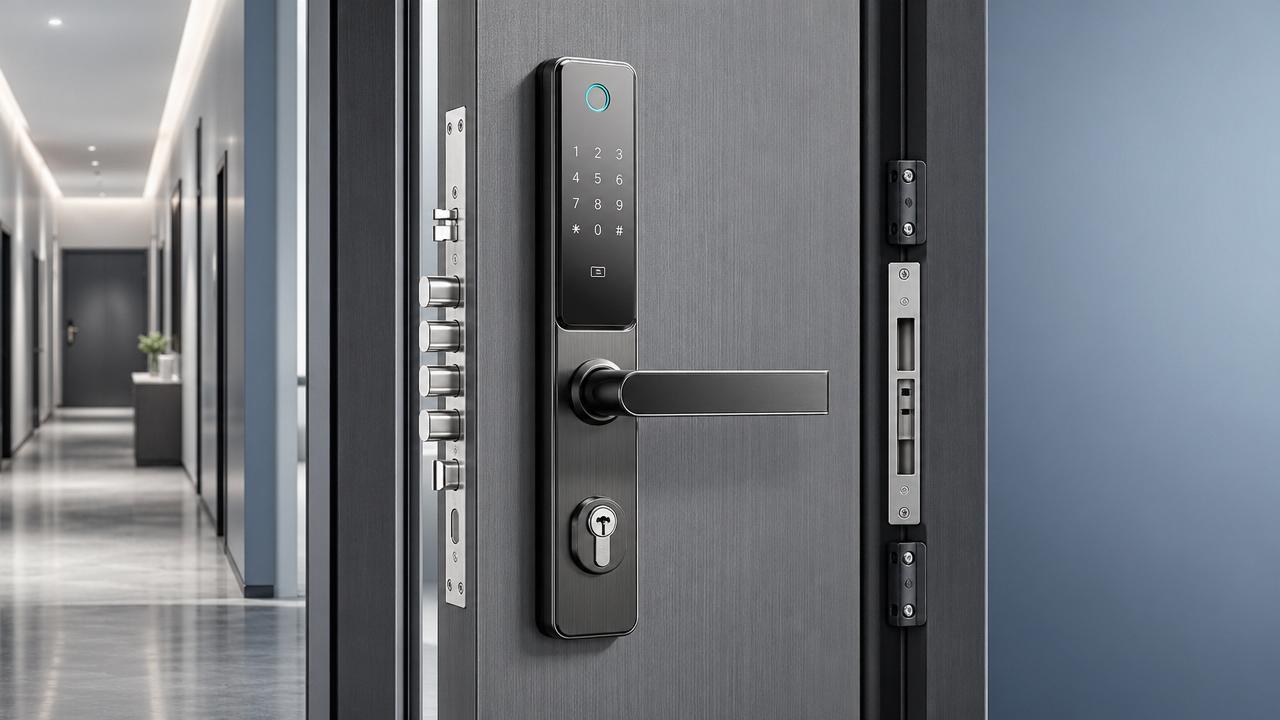
Are smart locks worth it for apartment entry upgrades? For renters and homeowners alike, smart locks promise more than keyless convenience—they can improve daily access, enhance security, and fit modern connected living. But the real value depends on installation limits, building rules, and long-term reliability. Before upgrading your apartment entry, it’s important to understand where smart locks truly deliver and where traditional hardware may still make more sense.
Why apartment scenarios matter more than the technology itself
Smart locks are not a one-size-fits-all upgrade. In an apartment setting, the answer depends less on whether the device is “smart” and more on the entry condition, building policy, door material, internet stability, and how many people need access. A renter in a one-bedroom unit, a family in a managed condo, and an owner using an apartment as a short-term rental can all face very different priorities even when they are shopping for the same category of smart locks.
This is especially important in modern residential interiors, where the entrance door works as both a security barrier and a daily-use touchpoint. In practice, apartment entry upgrades usually have to fit within 3 core limits: hardware compatibility, permission rules, and maintenance responsibility. If even one of these is ignored, a smart lock that looks ideal on paper can become inconvenient or non-compliant after installation.
For end consumers, the best buying decision often comes from matching use case to lock type. Some users benefit most from keypad access and temporary passcodes. Others care more about auto-lock timing in the 30-second to 2-minute range, battery backup, or whether the exterior hardware changes the building’s appearance. In apartment projects, details like latch type, deadbolt spacing, and emergency egress rules matter just as much as app control.
What makes apartment entry different from single-family homes
Apartments often involve shared corridors, standardized fire-rated doors, and management oversight. That means consumers should not evaluate smart locks only by convenience features. They should also look at whether the lock can be installed without drilling new holes, whether it preserves the interior thumb-turn function, and whether it can be removed cleanly at move-out. In many apartment settings, reversibility within 1 to 2 hours is a major practical advantage.
Another key difference is traffic pattern. Apartment residents usually lock and unlock the same main entry multiple times per day, but they may also depend on delivery access, pet sitters, cleaners, or family support. That makes scheduled codes, audit logs, and remote unlocking more useful than they might be in a detached home with multiple doors. In this sense, smart locks often solve a real urban living problem rather than simply adding a gadget.
At the same time, apartment users face tighter tolerance for failure. If a lock malfunctions at a front apartment entry, the occupant may have fewer alternate entry points than a homeowner. That is why reliable battery life, low-battery alerts, and manual key override still matter. A typical battery replacement cycle of 6 to 12 months is acceptable only if warnings are clear and backup access is straightforward.
A quick way to judge value before you shop
- Check whether your apartment door uses a standard single-cylinder deadbolt, because that is usually the easiest retrofit format.
- Confirm building or landlord rules on visible exterior changes, drilling, and approved hardware.
- Estimate how many users need regular access: 1 to 2, 3 to 5, or frequent rotating visitors.
- Decide whether you need app control, code sharing, auto-lock, or only keyless entry.
- Review your comfort level with battery maintenance and emergency backup procedures.
When these conditions line up, smart locks can be worth it. When they do not, a basic mechanical lock or a smart retrofit on the interior side may be the better choice. The decision should come from apartment fit, not feature marketing.
Three common apartment scenarios where smart locks are judged differently
The easiest way to answer whether smart locks are worth it is to compare typical apartment situations. Consumers usually fall into 3 broad groups: renters who need reversible upgrades, owner-occupiers who want convenience and daily security, and investor or host users who manage access remotely. Each scenario changes the acceptable cost range, installation method, and feature priorities.
The table below compares these apartment entry scenarios in a practical way. Instead of ranking one option as universally best, it shows where smart locks create measurable value and where caution is smarter.
This comparison shows why smart locks can feel essential in one apartment and unnecessary in another. For a renter, the value may come from avoiding lost keys and sharing a code with one trusted visitor. For a host managing back-to-back stays every 2 to 5 days, the value may come from eliminating physical key handoff and reducing coordination time. For an owner-occupier, the value often sits in the middle: not dramatic, but consistently useful every week.
Scenario 1: Renters who need flexibility
Smart locks can be worth it for renters when the upgrade is reversible and the building allows it. The best match is usually a retrofit model that keeps the exterior cylinder or a deadbolt replacement that uses existing holes. This reduces conflict with lease terms and makes reinstallation of the original lock possible in under 60 minutes in many standard setups.
Renters often benefit most from code sharing and key-free entry during everyday movement, such as gym trips, dog walks, or package pickup. If you frequently forget keys or coordinate with a partner on different schedules, smart locks can remove repeated friction. But if your lease prohibits hardware changes or requires the landlord to retain direct keyed access, value drops quickly unless a compliant retrofit is available.
For this scenario, avoid overbuying. A renter does not always need deep smart home integration, advanced biometrics, or multiple connection protocols. The strongest fit is often a simple, battery-powered unit with keypad entry, manual override, and low visual impact.
Scenario 2: Owner-occupiers upgrading for modern living
Owners living in apartments usually get the broadest benefit from smart locks. They can choose features based on routine rather than lease limits, and they may stay long enough to justify a mid-range or premium model. If 2 to 5 household members need different access methods, features like temporary codes, app history, and auto-lock become practical, not cosmetic.
In this scenario, smart locks are often worth it if the apartment entrance is the main daily access point and if carrying physical keys has become a nuisance. Families with older children, caregivers, or regular service visits often appreciate code-based access more than they expect. A well-matched lock can reduce missed entries, simplify guest access, and support safer habits through timed locking after 30 seconds or 1 minute.
Still, owners in managed buildings should verify door standards and community rules before purchasing. Condo associations may restrict exterior style, sound alerts, or visible camera features on entry hardware. Smart locks add convenience, but only if they respect the apartment’s architectural and operational context.
Scenario 3: Remote access for rental turnover or service coordination
For hosts, property investors, or serviced apartment operators, smart locks can deliver the clearest operational value. In these settings, remote code creation, scheduled expiration, and access records can save time at every turnover cycle. If check-ins happen weekly or even several times per month, replacing physical key exchanges with digital credentials can noticeably reduce coordination effort.
This scenario is where connectivity matters most. A keypad-only lock may work, but connected smart locks usually perform better because codes can be updated without a site visit. The ideal setup depends on whether internet service is stable, whether backup entry is available, and whether local rules allow self-check-in. The business-like value comes from repeat use, not just convenience.
However, this is also the scenario where failure costs more. A dead battery or sync problem during a late-night guest arrival can immediately become a service issue. For that reason, hosts should prioritize battery notifications, mechanical backup, and a support plan rather than focusing only on design or app appearance.
How feature priorities change from one apartment use case to another
Consumers often compare smart locks by brand or price first, but apartment entry decisions work better when features are ranked by scenario. The same lock can feel excellent in a compact owner-occupied unit and frustrating in a rental with restricted modifications. Before comparing styles, it helps to map features to the way the door is actually used 5, 10, or 20 times per week.
The table below focuses on the feature categories apartment residents ask about most often: access method, installation impact, connectivity, maintenance, and emergency fallback. These are the points that usually determine whether smart locks become a daily benefit or a future headache.
What this table makes clear is that feature value is situational. Keypad access is not just a luxury if you regularly coordinate cleaners, dog walkers, or relatives. App access is not automatically better if your building has weak signal at the corridor entrance. And auto-lock is helpful only when the delay setting matches your real behavior instead of forcing awkward re-entry.
Features that add real value in apartments
The most useful apartment-oriented smart locks usually combine 4 basics: keypad entry, battery alerts, mechanical backup, and straightforward installation on a standard deadbolt pattern. These features solve the highest-frequency problems without creating too much complexity. In many apartments, reliability matters more than a long list of rarely used integrations.
Temporary and recurring codes are also highly practical. A code that works every Tuesday from 2 pm to 4 pm or for one weekend only is more useful than many consumers realize. This matters in urban living where service access is common and scheduling flexibility saves time. Smart locks become more valuable as the number of occasional users rises above 2 or 3.
Another feature worth evaluating is lock status visibility. Knowing whether the apartment door is locked after you leave can reduce uncertainty, especially for commuters and frequent travelers. For many users, that peace of mind is part of the value calculation even if it is not easy to measure in money.
Features that may be unnecessary for some buyers
- Advanced biometrics can be convenient, but they are not essential if keypad and key backup already meet your access needs.
- Complex smart home ecosystem support may offer limited benefit if your apartment uses only one connected entry device.
- High-end finishes may matter for interior design alignment, but they should not outrank compatibility and emergency access.
- Always-on cloud features may be excessive for users who only need local code entry and occasional lock status checks.
This is where disciplined buying helps. In apartment upgrades, the best smart locks are rarely the most complex ones. They are the ones that fit the door, satisfy building conditions, and keep working with low friction over 6, 12, or 24 months of regular use.
When smart locks are worth the upgrade cost—and when they are not
Cost matters, but apartment users should think in terms of use value over time rather than purchase price alone. A smart lock may cost more upfront than a standard lockset, yet still be worthwhile if it saves repeated key duplication, reduces lockout incidents, or improves access management for a household with multiple schedules. The key question is whether the benefit appears weekly, monthly, or only once in a while.
In broad market terms, consumers often see a range from basic keypad units to more advanced connected smart locks. But the worth of that investment depends on how often you use the features. If you unlock your apartment twice a day and never share access, the premium for advanced remote management may have limited return. If you manage guests, family caregivers, or service personnel every week, that same premium may be justified quickly.
Apartment upgrades also involve hidden cost factors: installation time, replacement batteries, potential landlord approval delays, and compatibility checks. Even a well-priced product can become poor value if it requires door modification that the building does not allow. On the other hand, a slightly more expensive retrofit can be worth it if installation is clean, reversible, and policy-friendly.
Signs the upgrade is probably worth it
Smart locks are often worth it when your apartment has 2 or more regular users, when you often forget keys, or when trusted visitors need access at least a few times per month. They are also a strong fit for travel-heavy users who want to check lock status remotely or owners who want more control over daily entry routines.
They can also be worth it when the existing entry hardware is already due for replacement. In that case, upgrading to smart locks may add meaningful functionality with only a moderate increase over the cost of replacing standard hardware. Timing the purchase with a renovation, tenant turnover, or interior upgrade often improves the value equation.
For apartment living, the strongest value usually comes from reducing small recurring burdens rather than solving dramatic security failures. A smoother daily entry experience, better family coordination, and less reliance on spare keys can add up over a 12-month period.
Signs you should pause or choose a simpler option
If your lease is restrictive, your door hardware is non-standard, or the building requires management-held keys with specific cylinder rules, smart locks may not be the right immediate upgrade. In these cases, the better path may be an approved retrofit or simply improving the existing mechanical lock and door closer setup.
You should also be cautious if you are uncomfortable with battery maintenance or if the entry door frequently experiences environmental stress such as corridor drafts, heavy slamming, or alignment issues. No lock performs well on a door that does not latch properly. Mechanical condition should be checked before any smart upgrade, especially if the deadbolt already binds or requires force.
Finally, smart locks are not automatically the best choice for users who prefer absolute simplicity. If one key, one user, and one routine already work with minimal friction, the practical gain may be limited. Sometimes the best apartment upgrade is not the most connected one.
Common apartment mistakes buyers make before installing smart locks
Most disappointment with smart locks comes from poor fit assessment rather than poor concept. Buyers often focus on app screenshots, finish color, or promotional features before checking whether the apartment door, building rules, and user habits actually support the product. In residential upgrade decisions, the wrong assumptions are usually visible before purchase if the right checklist is used.
The most common mistake is assuming all deadbolts are equally compatible. Apartment doors can vary by thickness, backset, strike alignment, and fire-rated assembly requirements. A lock may technically fit but still perform poorly if the bolt drags or if the frame tolerance is tight. Even a 2 to 3 millimeter misalignment can affect smooth operation over time.
Another frequent mistake is ignoring user flow. Some buyers choose a highly connected model, then use only the physical key because setup is inconvenient for other household members. Others install auto-lock without adjusting timing, leading to repeated accidental lockouts during trash runs, grocery unloading, or pet routines. Smart locks should adapt to the apartment lifestyle, not disrupt it.
Pre-installation checklist for apartment users
- Measure door thickness, deadbolt type, and existing hole pattern before selecting any lock.
- Ask the landlord, condo office, or property manager whether visible exterior replacement is allowed.
- Confirm whether emergency or management access rules require a compatible keyed solution.
- Check whether the door closes and latches smoothly without force, drag, or frame pressure.
- Plan battery replacement intervals and decide who will manage alerts if multiple users share the unit.
- Decide in advance whether you need local-only control or remote access through a connected platform.
A practical rule for better results
If your apartment entry has one uncertain variable, such as lease approval, choose a simpler solution. If it has two or more uncertain variables, such as non-standard hardware plus management restrictions, delay purchase until those conditions are verified. This avoids unnecessary returns and helps ensure that smart locks improve access instead of complicating it.
For many consumers, the smartest buying strategy is not choosing the most advanced lock first. It is choosing the lock with the fewest installation and compliance risks while still covering your daily access needs. In apartments, good fit usually outperforms feature abundance.
That practical mindset aligns with how modern building materials and smart entry systems should work together: clean installation, dependable operation, and compatibility with real occupancy patterns. Smart locks are most successful when they function as part of a well-considered entry upgrade rather than as a standalone gadget purchase.
How to decide based on your own apartment situation
So, are smart locks worth it for apartment entry upgrades? In many cases, yes—but only when the scenario is right. They are especially worthwhile for apartments with multiple users, regular visitor access, short-term turnover needs, or a strong preference for keyless convenience. They are less compelling when rules are restrictive, compatibility is uncertain, or the user wants very low-maintenance hardware with no digital layer.
The most reliable way to decide is to map your apartment into 4 factors: door compatibility, permission status, access frequency, and preferred control method. If at least 3 of those factors support a smart upgrade, the purchase is often reasonable. If only 1 or 2 align, a mechanical lock refresh or limited retrofit may be the better path.
For end consumers, the goal is not simply to buy smart locks. It is to choose an apartment entry solution that supports safety, routine, and long-term usability without creating installation or compliance problems. A well-matched smart lock can be a meaningful part of modern interior living, especially in compact urban spaces where access efficiency matters every day.
Why choose us
GIAM connects smart living products with real building and interior application logic. We do not treat smart locks as isolated gadgets. We evaluate them within the wider context of apartment entry hardware, door conditions, user scenarios, and evolving residential space standards. That helps consumers and project decision-makers make clearer choices with fewer mismatches.
If you are comparing smart locks for an apartment upgrade, contact us for support on parameter confirmation, product selection direction, installation suitability, lead time expectations, sample evaluation, and compliance-related questions. We can also help you narrow options based on door type, access scenario, and whether you need renter-friendly, owner-use, or remote management solutions.
Reach out to discuss your apartment entry scenario, preferred functions, budget range, and project timeline. Whether you need a simple reversible upgrade or a more connected smart access plan, we can help you move from broad interest to a practical shortlist with greater confidence.
Industry Briefing
Get the top 5 industry headlines delivered to your inbox every morning.