
Qinghai-Vietnam Train Opens Building Materials Route
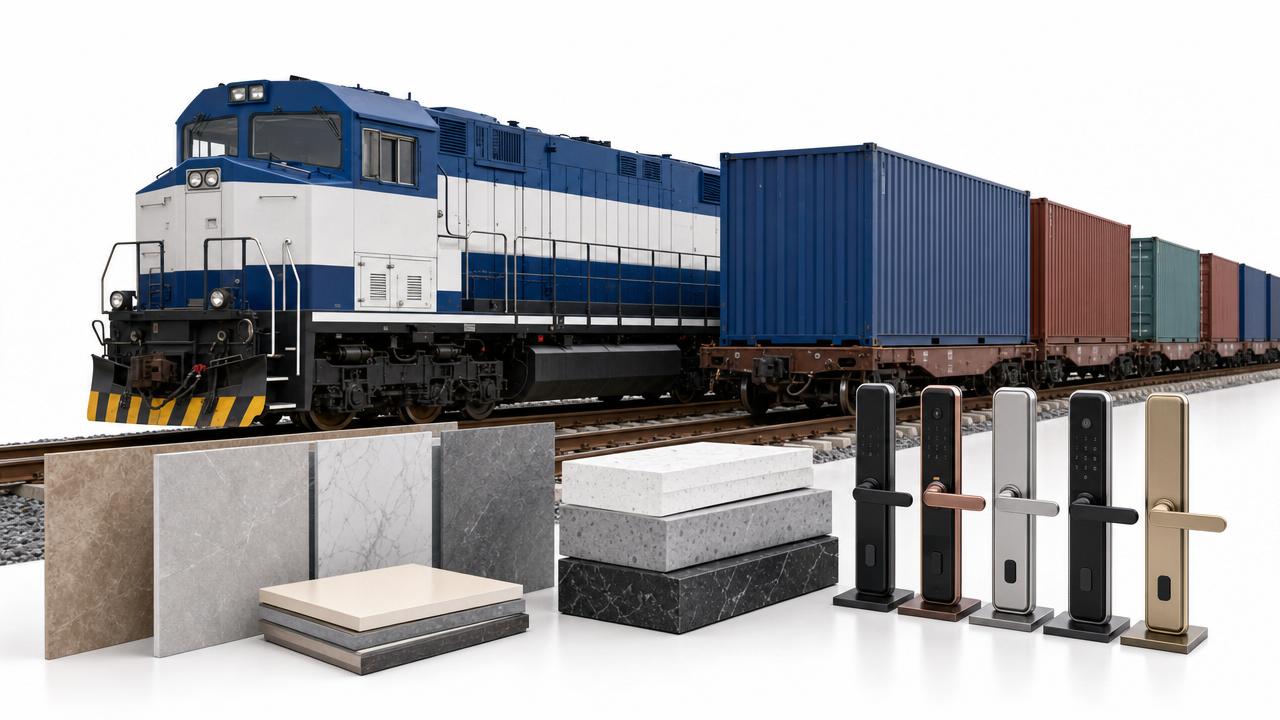
Image Placement Plan
No image placeholders are scheduled for this article. The analysis is presented as text only to keep the update focused on route facts, trade procedures, and supply-chain implications.
On May 29, 2026, the first full-container international freight train from Qinghai to Vietnam departed from Xining, creating a direct overland channel for standardized building-material shipments and affecting exporters, importers, manufacturers, and logistics providers because the route shortens transit time and reduces handling during cross-border delivery.
Confirmed Route Details and Shipment Scope
The newly launched service runs from Xining in Qinghai to Vietnam and exits China through the Pingxiang border crossing in Guangxi. The full journey is expected to take about five days, which is 22 days shorter than the traditional river-sea intermodal route described in the input information.
The service includes priority container capacity for building materials. The supported standardized goods include ceramic tiles, quartz stone countertops, and digital locks. The route is designed for container-through transport, meaning the same container can be used through the journey with no transshipment and fewer inspections, according to the event summary.
For Vietnamese importers, the route provides an alternative to congestion at northern ports and may reduce uncertainty in customs clearance and insurance costs, based on the information provided.
How the New Channel May Reshape Industry Operations
Direct trading companies
Direct trading companies are affected because the route changes the delivery option available for cross-border building-material orders. The main business links involved include quotation terms, shipping schedules, customs documentation, cargo insurance, and delivery commitments to buyers in Vietnam.
They may need to monitor whether container-through transport can be written into commercial terms, whether buyers require updated lead-time commitments, and whether fewer handling points affect claims management, inspection timing, or risk allocation.
Raw material procurement companies
Raw material procurement companies may be indirectly affected when downstream customers adjust production or shipment calendars around the five-day rail transit window. The impact is likely to appear in procurement timing, inventory buffers, batch coordination, and packaging requirements for standardized container loading.
From an operational perspective, these companies should watch whether building-material producers begin requesting more predictable inbound supply schedules to match outbound rail departures, especially for products such as tile-related materials, stone-processing inputs, lock components, and packaging supplies.
Processing and manufacturing companies
Processing and manufacturing companies producing standardized building-material products may be influenced because the route favors goods that can be shipped in containers without intermediate reloading. The affected links include production planning, quality inspection before loading, export packing, labeling, product traceability, and document preparation.
Manufacturers should pay attention to whether customer specifications, technical documentation, and acceptance records need to be finalized earlier, since a shorter transit period can compress the time available for correcting document errors after dispatch.
Supply-chain service providers
Supply-chain service providers are directly involved because the route relies on coordinated rail booking, border exit procedures, container management, insurance arrangements, and customs-related services. The value of these providers may shift from simple freight execution toward schedule control and document consistency.
They should monitor changes in booking rules, priority capacity availability for building materials, inspection coordination, and the handling of goods that must remain in the same container throughout the journey.
Practical Points Companies Should Review
Align certificates and customs documents before loading
Because the route is described as involving fewer inspections and container-through transport, companies should not treat this as a relaxation of compliance duties. Exporters and importers still need to prepare product descriptions, shipment documents, certificates, and customs materials consistently before the container is sealed.
For ceramic tiles, quartz stone countertops, digital locks, and similar standardized products, document consistency between packing lists, invoices, product specifications, and customs declarations will be especially important to reduce clearance uncertainty.
Recalculate delivery schedules around the five-day transit window
The reported journey time of about five days creates a different planning baseline from the traditional river-sea intermodal route. Companies should review purchase orders, production completion dates, warehouse cut-off times, and buyer delivery windows to determine whether faster rail transport changes their procurement and fulfillment rhythm.
This is particularly relevant when importers use the route to avoid congestion at northern ports, since the main advantage depends on aligning factory readiness, container booking, and border clearance preparation.
Prepare standardized cargo for one-container-through movement
The route supports goods that can remain in the same container through the journey. Exporters should therefore review palletization, protective packaging, load stability, moisture protection, and container sealing procedures before departure.
For fragile or finished building materials, fewer transshipment steps may reduce handling exposure, but it also increases the importance of correct initial loading, photo records, and traceability materials.
Review insurance and risk allocation clauses
The event summary states that Vietnamese importers may reduce insurance costs by using this route. Companies should still review whether their insurance terms, liability points, cargo inspection records, and claims evidence match the new transport mode.
Trading parties may also need to clarify who bears risk during rail transit, border exit, customs clearance, and final delivery after arrival in Vietnam.
Industry Observation: More Than a Transport Update
From an industry perspective, this launch is more appropriately understood as a change in cross-border trade execution conditions rather than only a new freight service. The key change is the combination of shorter transit time, container-through operation, priority capacity for building materials, and fewer handling points.
Analysis shows that companies with stronger document control, standardized packaging, and predictable production schedules may be better positioned to use this channel. However, this should not be interpreted as guaranteed cost reduction for every shipment, because the input information does not provide freight rates, booking rules, or detailed customs procedures.
What deserves closer attention is whether buyers and sellers begin to adjust procurement terms, technical specifications, inspection timing, and delivery commitments around the new rail option. If that happens, compliance preparation and shipment readiness may become more important parts of commercial competitiveness.
Measured Outlook for the Building-Materials Trade
The first Qinghai-to-Vietnam full-container train provides a new direct channel for standardized building-material cargo and offers a practical alternative to port congestion for Vietnamese importers. Its industry value lies in improving schedule certainty and reducing handling during cross-border movement.
At the same time, companies should avoid overestimating the immediate impact. The actual benefits will depend on booking availability, customs execution, document quality, cargo suitability, and feedback from market participants after regular operations develop.
Information Basis and Items to Track
This article is based on the user-provided news title, event date, and event summary. Specific official source links were not provided in the input and should be verified continuously.
For continued monitoring, companies may refer to relevant types of official or authoritative information such as customs operation notices, railway freight service announcements, port and border-crossing updates, logistics service rules, and trade compliance guidance. Key items to track include detailed policy procedures, certification implementation practices, changes in tender or procurement documents, route booking requirements, inspection arrangements, insurance treatment, and feedback from industry users.
Industry Briefing
Get the top 5 industry headlines delivered to your inbox every morning.