
Saudi SASO Tightens Digital Lock Certification
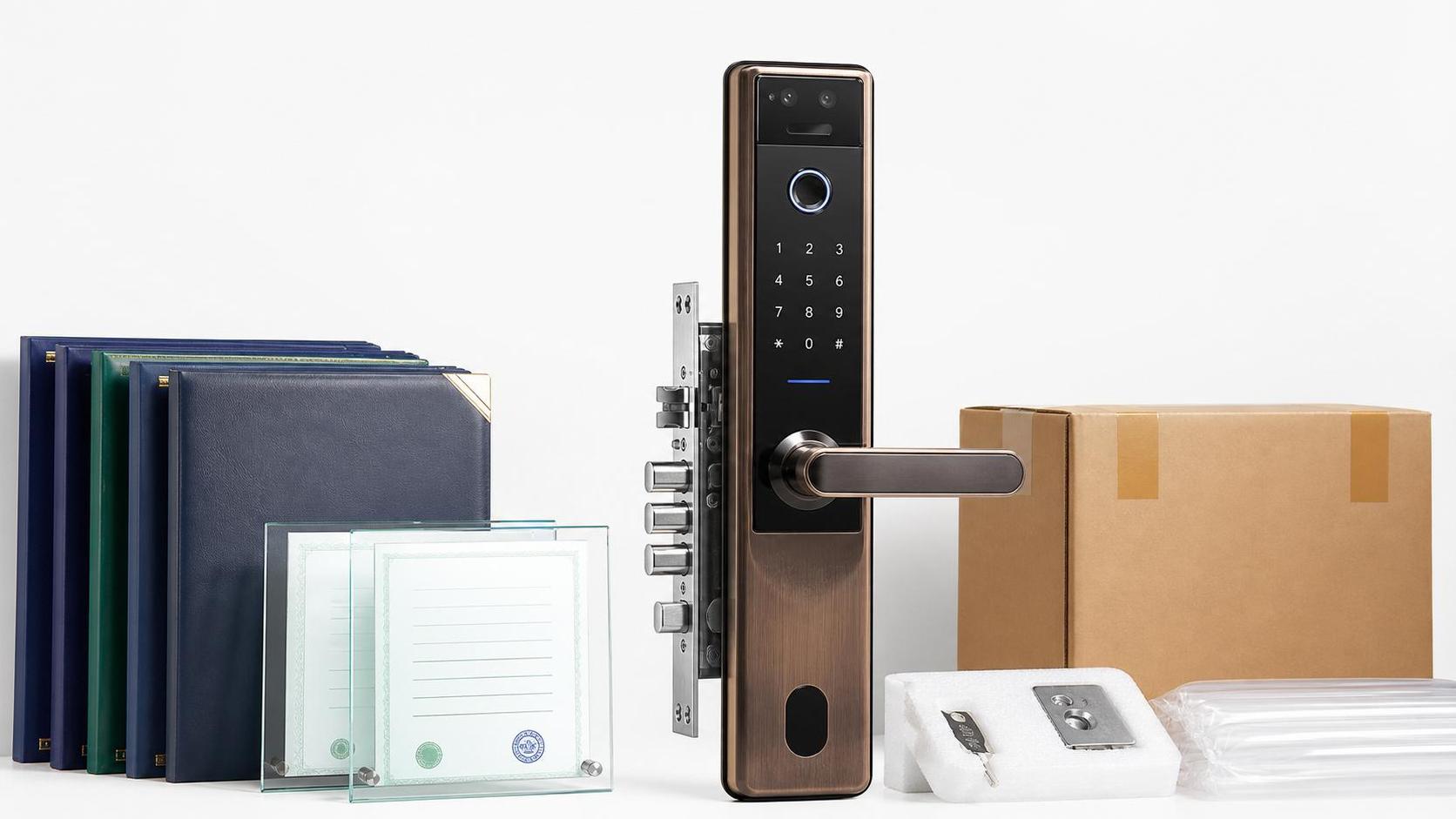
Saudi Arabia’s certification path for imported digital locks will change on October 1, 2026, after SASO introduced a new mandatory requirement tied to biometric anti-spoofing tests. For manufacturers, exporters, importers, certification teams, and customs-facing supply chain operators, the update matters because compliance will no longer rest on the previous SASO 2873:2023 certificate alone, and the rule has already been connected to the NCCM electronic customs clearance system.
What the New Requirement Formally Changes
According to Technical Circular No. SASO/TC/2026-0713, issued by SASO on July 13, 2026, all imported digital locks must, from October 1, 2026, pass the biometric anti-spoofing tests defined in ISO/IEC 30107-3:2025. The tests referenced in the circular cover liveness verification for fingerprint and resistance to photo and mask spoofing for facial recognition. SASO also stated that a certification certificate under SASO 2873:2023 will no longer be valid on its own for this purpose. The adjustment has been synchronized with Saudi Arabia’s NCCM electronic customs clearance system.
Where the Immediate Pressure Is Likely to Appear
Product makers using biometric unlocking features
From an industry perspective, manufacturers of digital locks that rely on fingerprint or facial recognition are the first group likely to feel the impact. The practical effect is centered on product compliance preparation, because market access for imported units will now depend on an added testing element rather than the earlier certification path alone. What deserves closer attention is whether existing product documentation and compliance files are organized around the new testing requirement.
Exporters and direct trade companies serving Saudi Arabia
For exporters and trading companies, the change is likely to affect shipment planning, certification readiness, and customer communication. The key issue is timing: a product that previously relied on SASO 2873:2023 documentation alone may now face a different pre-shipment review standard once the October 1, 2026 effective date arrives. Observably, this creates a compliance checkpoint that sits closer to actual market entry.
Importers, distributors, and customs-facing operators
Importers and distribution partners may be affected at the clearance stage because the rule update has already been linked to the NCCM electronic customs clearance system. Analysis shows that this is not only a certification matter in principle; it also has potential operational consequences in document submission, customs processing, and shipment release workflows. For these parties, close attention should stay on how documentation is presented and whether product files align with the new requirement before goods move.
Testing, certification, and compliance management functions
Service providers and in-house compliance teams are also directly concerned because the update changes the evidence set needed for imported digital locks. The main business impact is likely to appear in test planning, certification sequencing, and internal approval timelines. What deserves closer attention is the transition from a certificate-centered view of compliance to a test-backed market access process tied to a recognized anti-spoofing standard.
What Companies Should Track Now
Check which product lines fall into the new path
Companies should first identify which digital lock models destined for Saudi Arabia involve fingerprint or facial recognition functions and therefore need to be reviewed against the new rule path. The practical issue is not general product strategy but whether specific exported models will require additional test evidence under ISO/IEC 30107-3:2025 before import.
Separate legacy certification from current import readiness
The circular makes clear that the prior SASO 2873:2023 certificate is no longer sufficient on its own. Analysis shows that companies should avoid treating existing certification status as equivalent to post-October import readiness. Internal teams handling sales, compliance, and shipment release should align on that distinction early.
Review document sets against NCCM-linked clearance needs
Because the update has been synchronized with the NCCM electronic customs clearance system, businesses should focus on whether their documentation package can support smooth customs-side processing under the new rule. This is especially relevant for firms managing handoffs between factories, exporters, local importers, and customs brokers.
Monitor whether official wording is further clarified
Observably, the confirmed facts establish the new requirement, the effective date, the standard reference, and the customs system linkage. Companies should continue watching for any further official clarification on implementation language, document expectations, or operational interpretation, because those details can shape execution even when the policy direction is already clear.
Why This Looks Like More Than a Routine Update
As an editorial observation, this development is more appropriately understood as a concrete compliance tightening rather than a minor administrative revision. The reason is straightforward: the rule links biometric anti-spoofing performance, certification validity, and customs clearance in the same policy move. At the same time, it should not be overstated as a full market reset, because the confirmed information in hand is limited to the circular, the effective date, the referenced testing standard, and the NCCM linkage. Continued attention is warranted because the commercial effect will depend on how companies translate the formal requirement into product testing, documentation, and shipment execution.
How the Market Should Read It at This Stage
At this stage, it is more appropriate to understand the SASO update as an immediate regulatory change with broader signaling value. In the short term, it changes the compliance route for imported digital locks entering Saudi Arabia. In a wider industry reading, it signals closer scrutiny of biometric unlocking claims at the market-entry level. The measured conclusion is that affected companies should treat this as an active operational requirement from October 1, 2026, while continuing to verify how implementation details develop in practice.
Basis of This Article
This article is based on the user-provided news title, event date, and event summary concerning SASO Technical Circular No. SASO/TC/2026-0713, its October 1, 2026 effective date, the new ISO/IEC 30107-3:2025 anti-spoofing test requirement for imported digital locks, the loss of stand-alone validity for SASO 2873:2023 certification in this context, and the synchronization with the NCCM electronic customs clearance system. For this type of industry update, relevant source categories typically include official notices, standards organization documents, company compliance communications, industry association releases, and authoritative media reporting. A specific official source link was not provided in the input, so further verification remains necessary. Continued follow-up should focus on any additional official clarification affecting document expectations and implementation in actual clearance workflows.
Industry Briefing
Get the top 5 industry headlines delivered to your inbox every morning.