
TUV Rheinland Launches Window Fittings Test Protocol
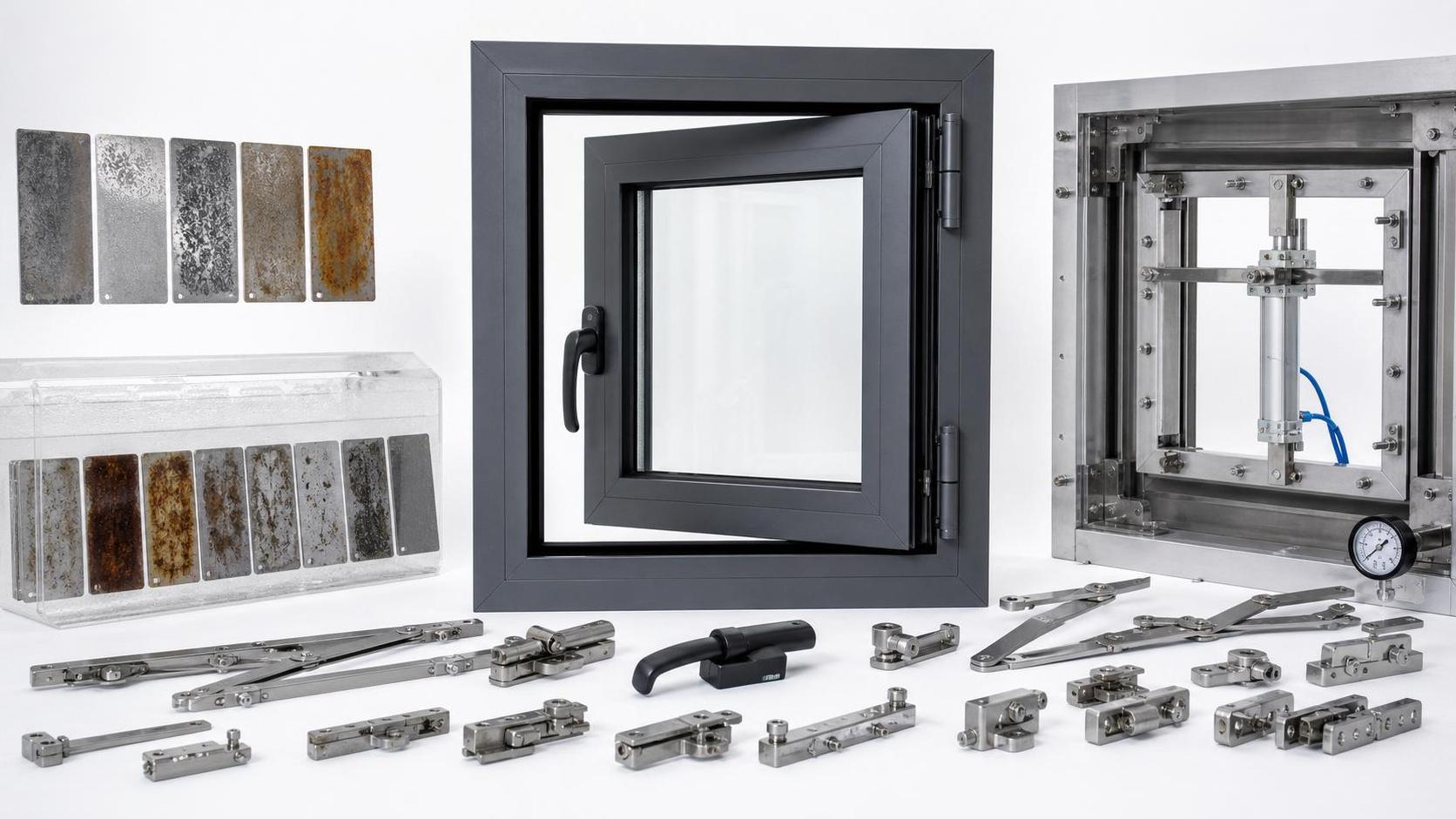
On July 10, 2026, TUV Rheinland introduced TR-2026-WF, a dedicated testing protocol for window fittings that combines wind load classification under EN 14351-1 with C5 corrosion resistance requirements under DIN EN ISO 9223. For window hardware exporters, manufacturers, project suppliers, and certification-related service providers, this is worth attention because the protocol is already open for booking, supports sample submission and certification in one combined process, and has been listed by Germany’s ZDB as a mandatory reference basis for new-build projects in 2026.
What Has Been Confirmed So Far
According to the information provided, TUV Rheinland officially launched the TR-2026-WF protocol on July 10, 2026 for window fittings. The protocol brings together two testing dimensions within one route: wind pressure performance aligned with EN 14351-1 and corrosion resistance aligned with DIN EN ISO 9223 at C5 level.
The protocol allows a “single submission, parallel certification” approach, meaning samples can be submitted once while the related certification outputs are handled in sync. The same information also states that Germany’s construction association ZDB has listed this protocol as a mandatory reference basis for new construction projects in 2026.
For Chinese exporters of window fittings, the stated direct operational effect is a certification cycle shortened by 11 days.
Where the Practical Impact May Appear First
Export-oriented window fittings suppliers may face a faster compliance clock
From an industry perspective, suppliers selling into Germany are likely to feel the impact first because certification timing and acceptance conditions directly affect quotation, sample approval, and order scheduling. What deserves closer attention is not only the shorter cycle mentioned in the update, but also whether customer timelines begin to assume this combined route as a new baseline.
Manufacturing and testing coordination may become more front-loaded
For processing and manufacturing companies, the combined protocol may shift more attention to how product samples are prepared and documented before submission. The likely impact is concentrated in test preparation, internal quality coordination, and delivery planning, because wind load and corrosion performance are now being addressed within one designated protocol rather than in separate handling paths.
Project suppliers and procurement teams may tighten document expectations
For buyers, project-based suppliers, and downstream procurement teams, the main effect may appear in supplier screening and document review. Since the protocol has been listed by ZDB as a mandatory reference basis for 2026 new-build projects, purchasing decisions may place greater weight on whether suppliers can align their certification materials and lead times with this requirement.
Certification and supply chain service providers may need to adjust timelines
Service providers involved in testing arrangements, export documentation, and delivery coordination may also need to recalibrate planning. Analysis shows that once a combined protocol shortens the stated certification window, adjacent service stages such as sample dispatch, document matching, and booking coordination can come under tighter scheduling pressure.
What Companies Should Watch Now
Watch the exact wording used in customer and project requirements
Companies should pay attention to how customers, importers, and project parties refer to TR-2026-WF in tenders, specifications, or compliance checklists. The policy signal and the operational wording used in transactions are not always identical, and that gap can affect whether existing documentation remains sufficient.
Review which product lines are exposed to German new-build demand
Businesses should identify which window fittings categories are most closely tied to German new construction demand in 2026. This matters because the protocol’s relevance is not uniform across all business lines; exposure will be highest where project acceptance depends directly on the referenced testing route.
Prepare sample, document, and lead-time coordination earlier
Given the combined structure of the protocol, firms should review whether sample readiness, technical files, and customer-facing certification schedules can be aligned earlier in the order cycle. The practical issue is less about general management and more about avoiding delays between testing, certificate issuance, and shipment commitments.
Adjust supplier and client communication around certification timing
For exporters and channel-facing teams, customer communication should reflect the stated 11-day reduction in certification time without treating it as a universal outcome across every transaction. Observably, the more useful approach is to present it as an available procedural advantage tied to this protocol, while still checking project-specific acceptance conditions.
How This Update Should Be Read
Analysis shows that this development carries both an immediate procedural effect and a broader market signal. The immediate effect is clear in the form of a combined testing route and the stated reduction in certification time for Chinese exporters. The broader signal is that performance verification for window fittings is being framed in a more integrated way for relevant project acceptance.
It is more appropriate to understand this as an actionable near-term change with longer-term implications still worth monitoring. The protocol is already open for booking and tied to a 2026 project reference requirement, so it is not merely a symbolic announcement. At the same time, the industry still needs to observe how widely procurement practices, customer specifications, and supplier qualification processes align around it in day-to-day business.
Why the Industry Is Likely to Keep Watching
The significance of this update lies less in headline value and more in execution. It connects testing efficiency, standards alignment, and project acceptance in one development. For companies involved in window fittings exports and supply to Germany, the most rational reading at this stage is that the protocol should be treated as a concrete compliance and delivery planning factor, while its wider commercial impact still needs continued observation.
Basis of This Article
This article is based on the user-provided news title, event date, and event summary regarding TUV Rheinland’s launch of the TR-2026-WF testing protocol on July 10, 2026. The factual layer above is limited to the supplied information.
For this type of industry update, relevant source categories would typically include official announcements, corporate notices, industry association information, authoritative media coverage, and standard-related documents. A specific official source link was not provided in the input, so continued verification is still necessary. Follow-up attention should focus on any subsequent official wording, project-side implementation references, and how the protocol is reflected in actual certification and procurement practice.
Industry Briefing
Get the top 5 industry headlines delivered to your inbox every morning.